
Urban artistic expression or illegal eyesores? See 36 eye-popping photos of Wolverhampton's graffiti
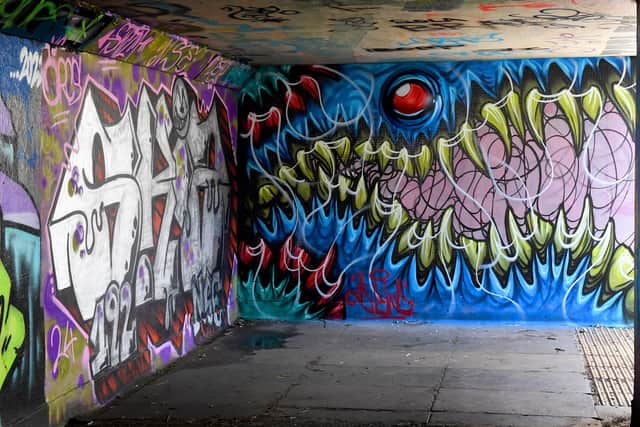
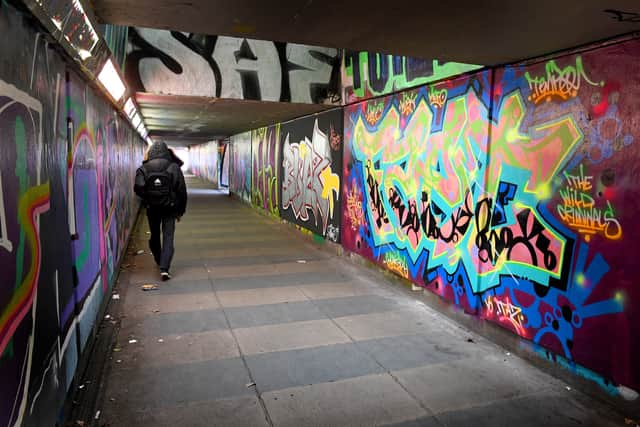
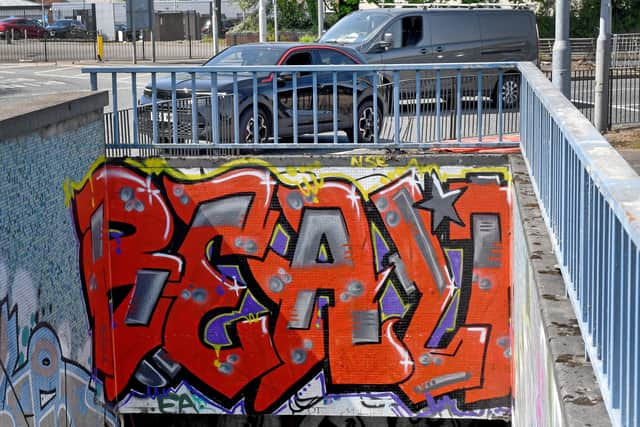
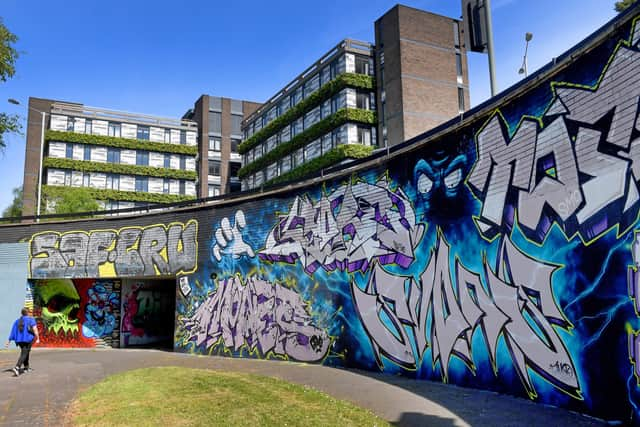
These eye-catching photos show a glimpse into the gritty underbelly of Wolverhampton.
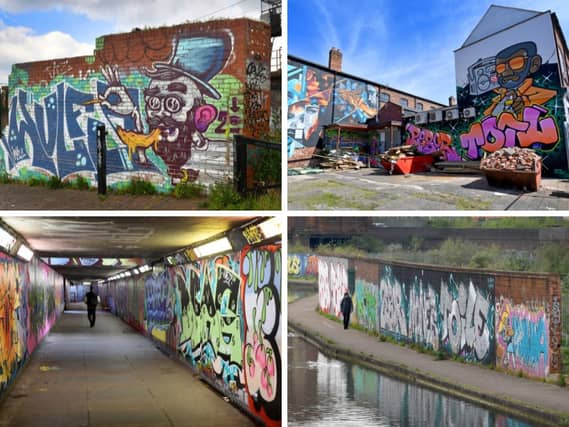


From empty buildings packed with memories of industry long-gone to the looming underpass and the winding alleyways covered in art, this city has become a hotbed for graffiti – both legal and illegal.
So is this urban art representative of a modern creative melting pot, or is it a nuisance criminal damage that is a blight on the already rundown landscape?
For context – graffiti is art that is written, painted or drawn on a wall or other surface, usually without permission and within public view.
It is a widespread cultural phenomenon across the globe ever since it began nearly 60 years ago and is still either loved or hated by residents or visitors alike.
Some street artists, such as Banksy, have made their way to fame through their illegal art, and more often than not the media focuses on the vandalism aspect of the work.
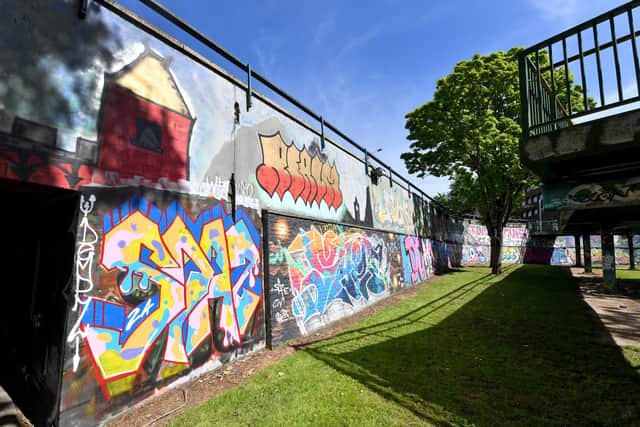
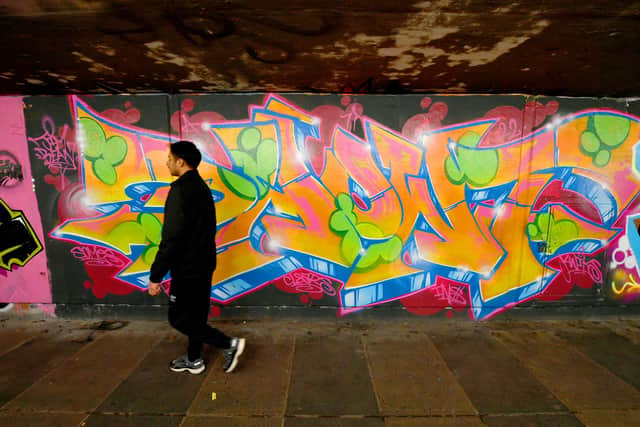
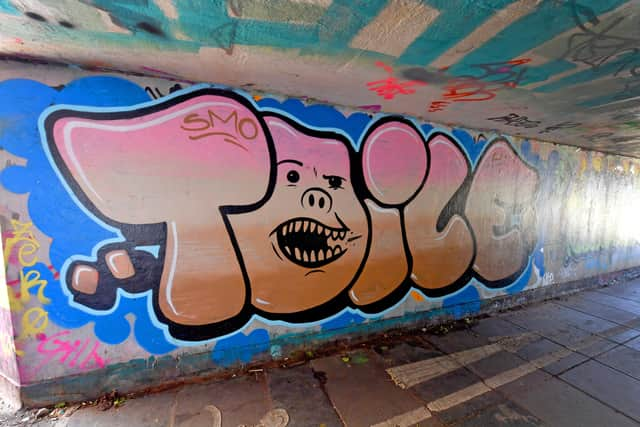
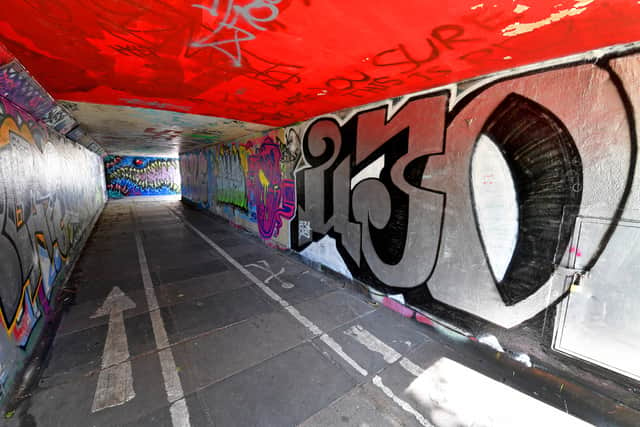
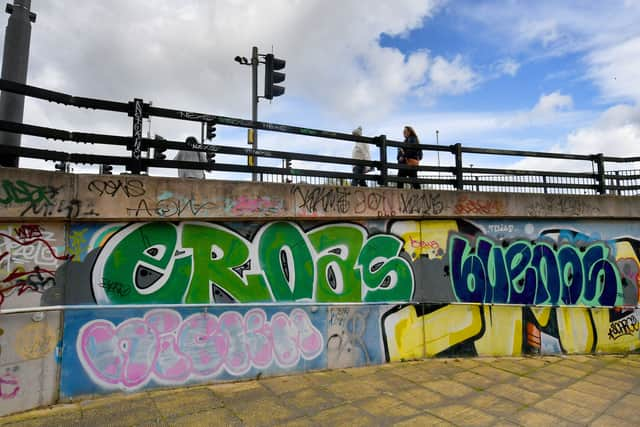
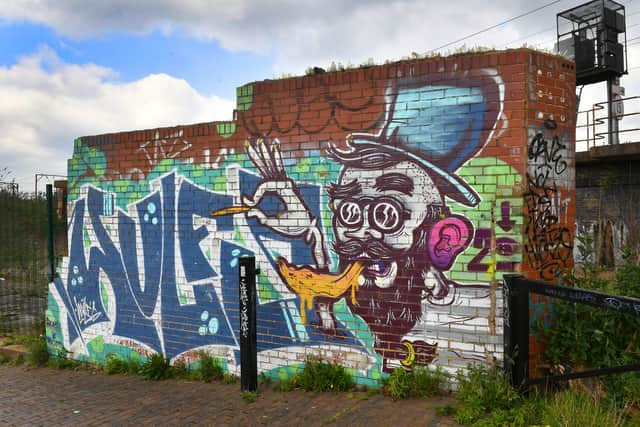
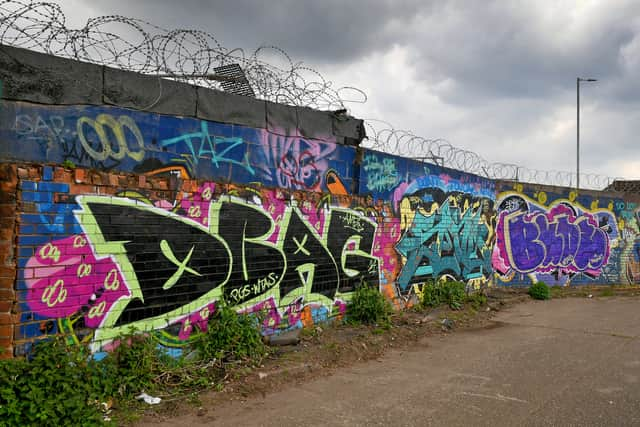
Our photographer Tim Thursfield visited some of the most well-known spots across Wolverhampton.
Around Peel Street
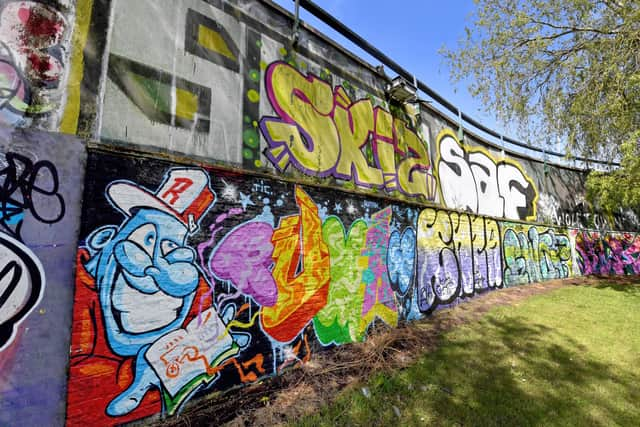
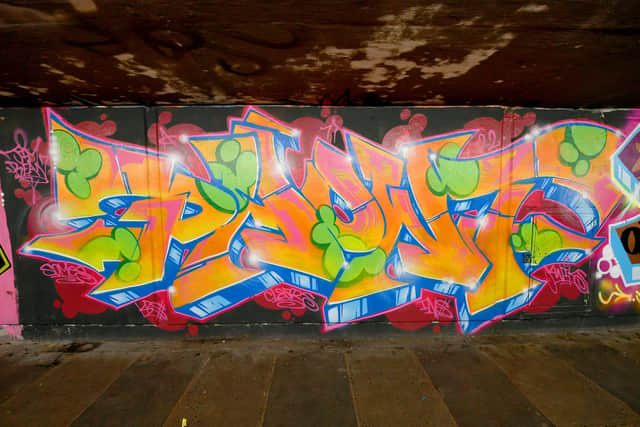
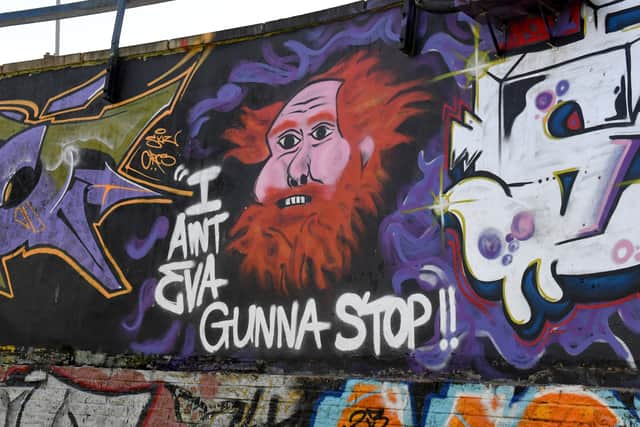
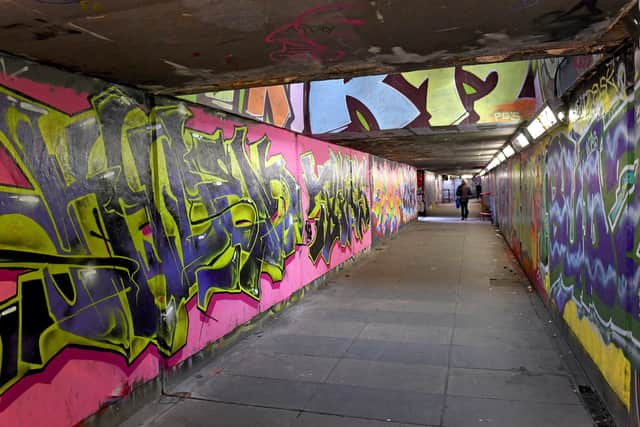
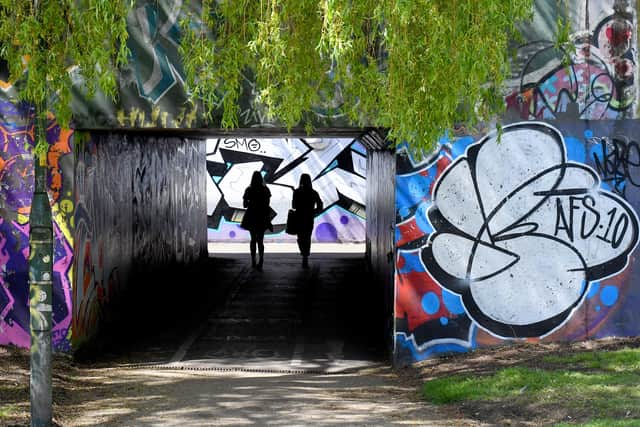
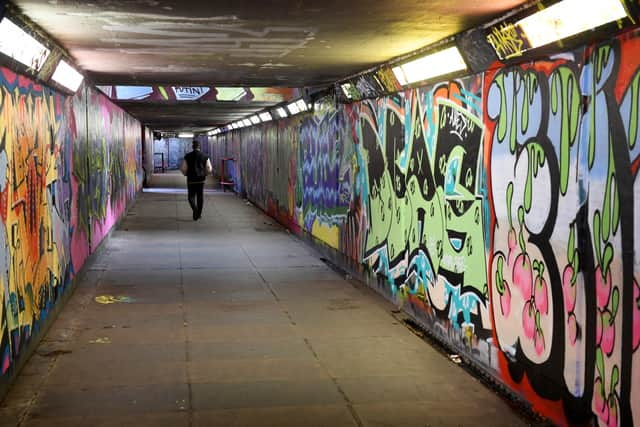
Chapel Ash
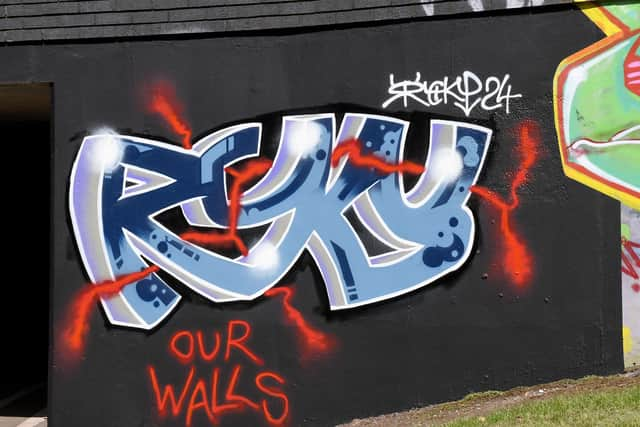
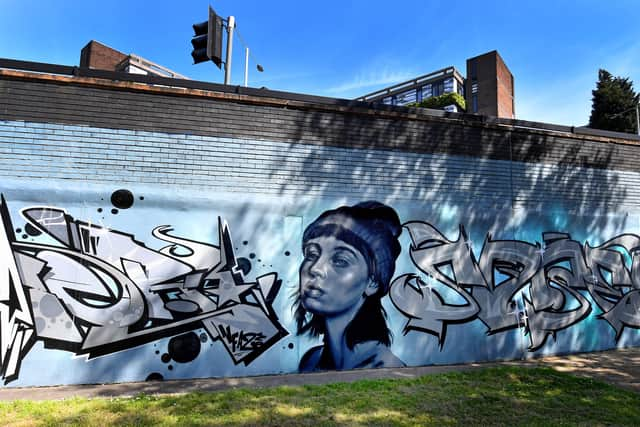
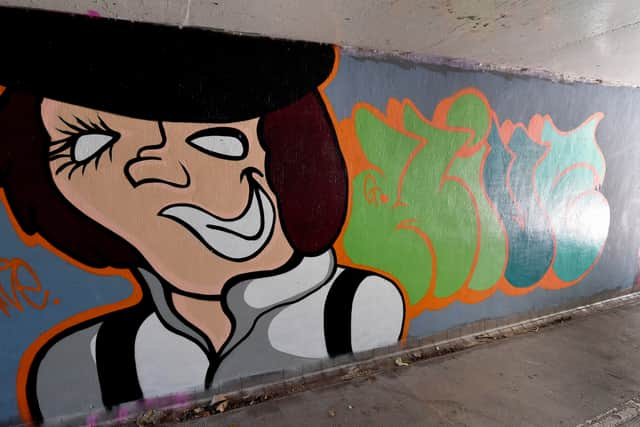
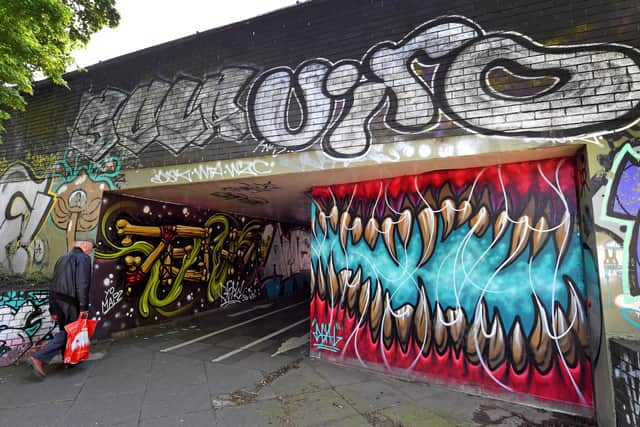
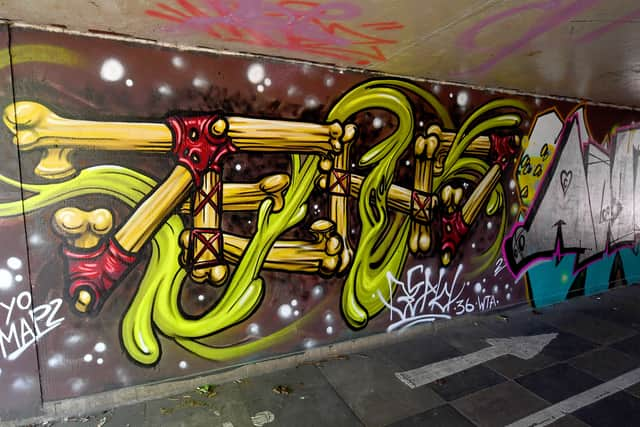
Horseley Fields
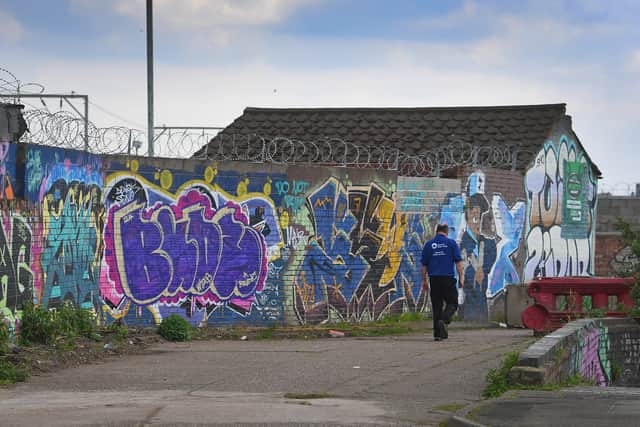
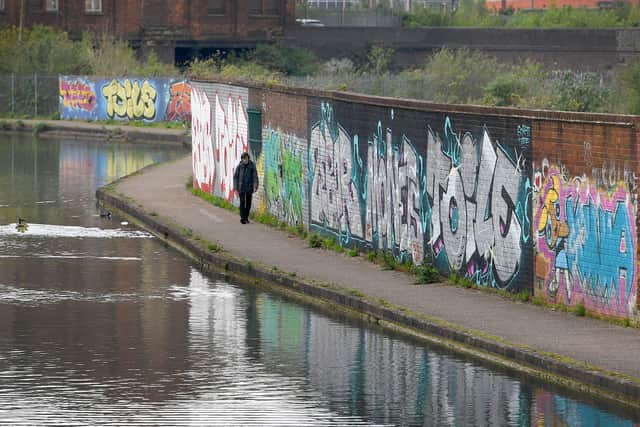
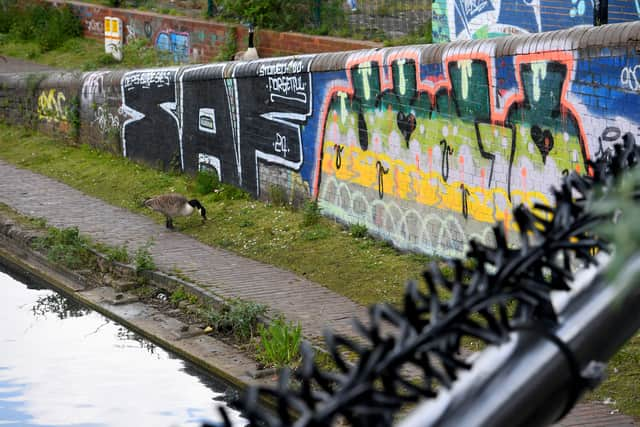
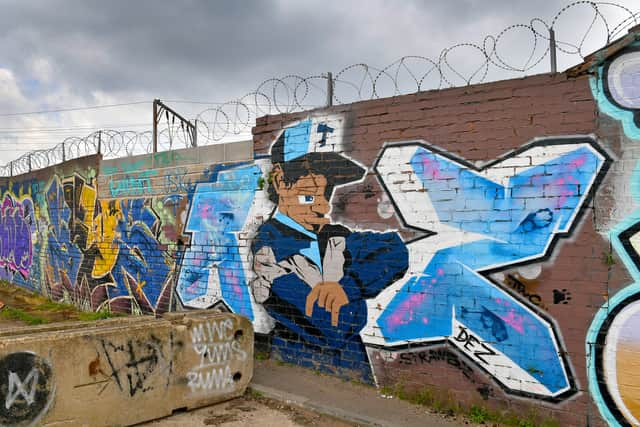
Lea Road underpass
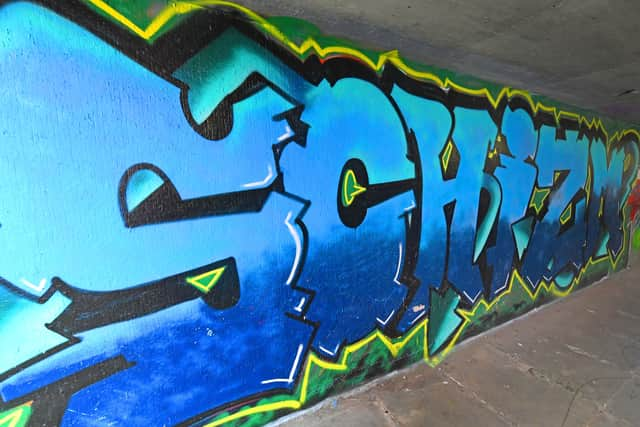
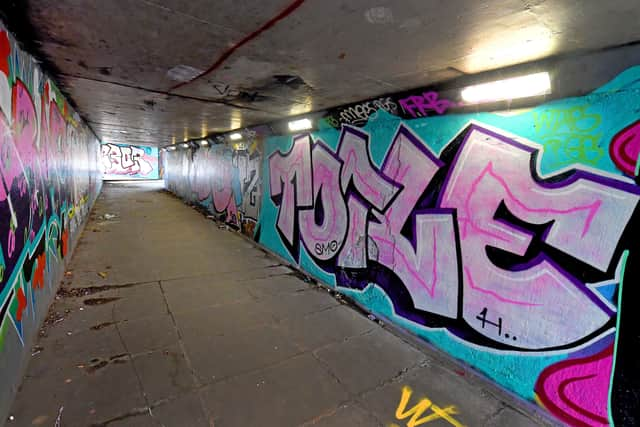
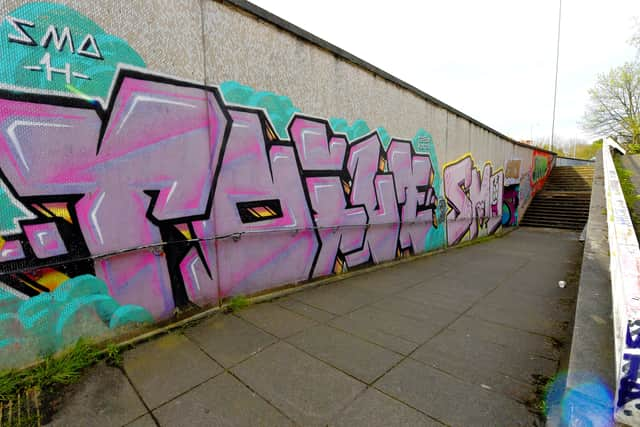
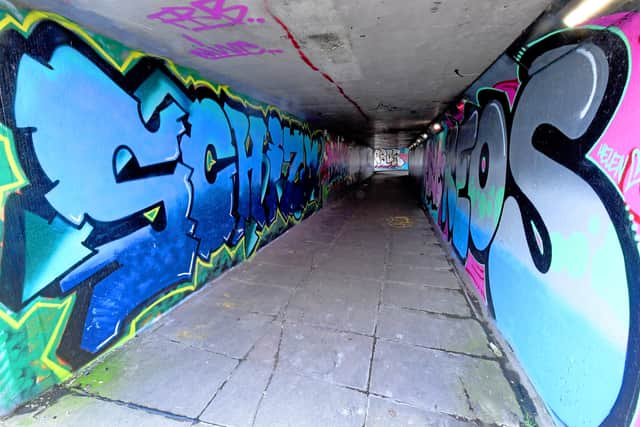
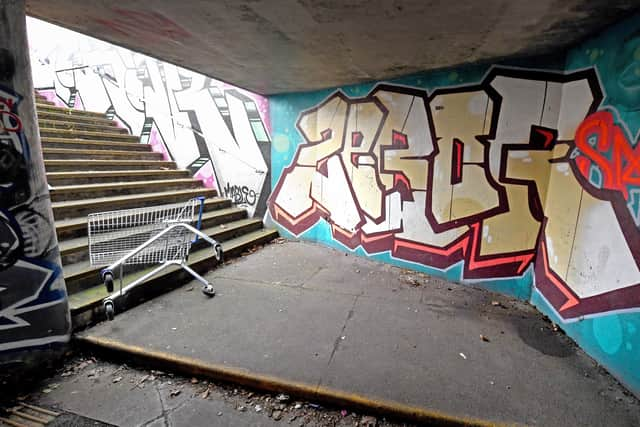
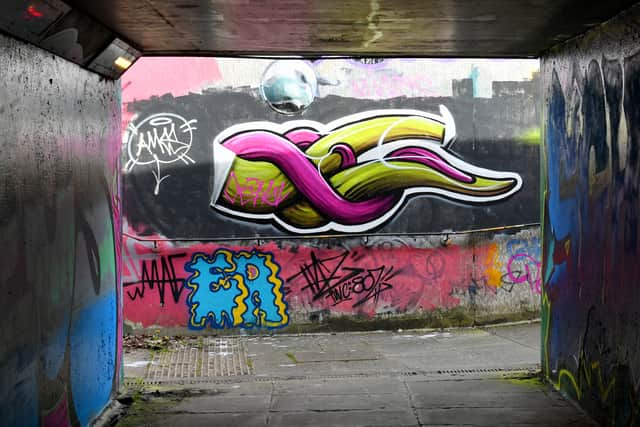
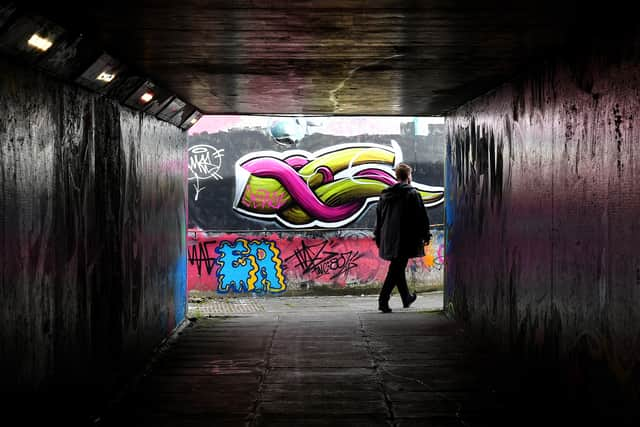
The rear of Purity Bar
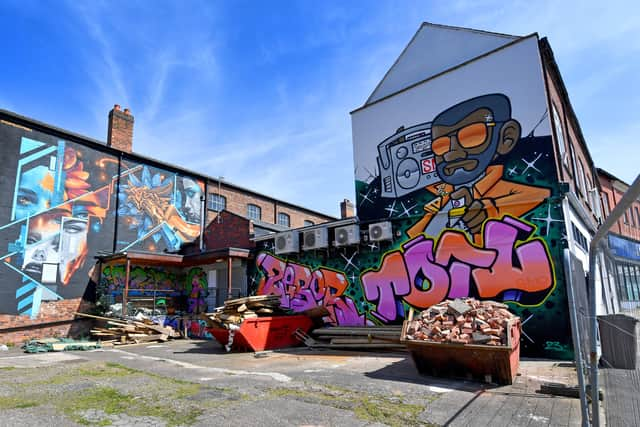
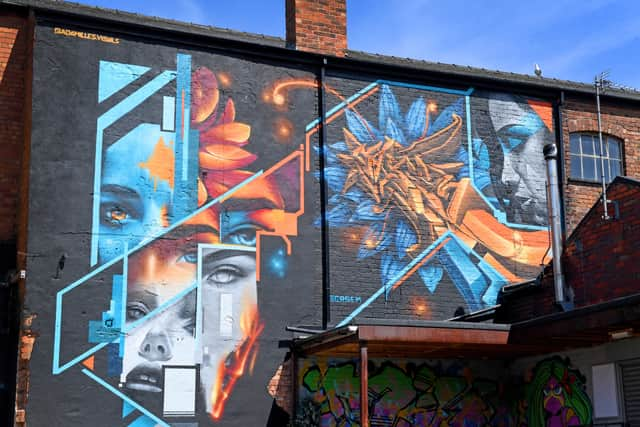
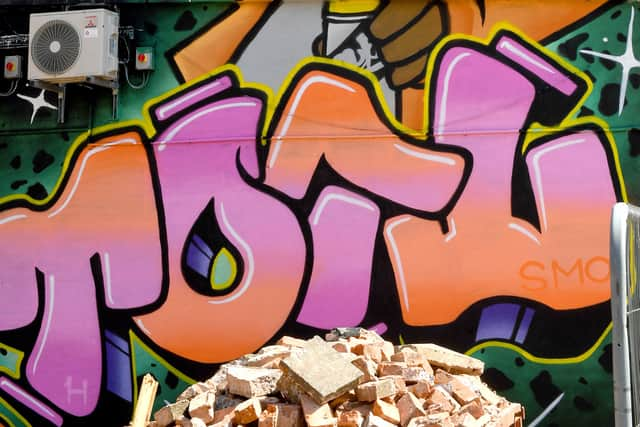
So do these flashes of art imprinted on the sides of buildings bring focus back to the working classes, who in a struggle to express their frustrations and emotions with society manifest into what we know as street art of graffiti?
Graffiti and street art made their way into mainstream media in the 1960s and 70s after spray paint was created, and two artists, who nicknamed themselves “Cornbread” and “Cool Earl” began the trend of creating art and writing their signatures on the walls and subway cars of New York City, which quickly spread, inspiring other young adults to start tagging and creating works of their own.
However, there was much opposition to the trend - and there still is.
Here's what you need to know
Graffiti artist/writer: A person who uses spray paint to write their tag on a surface. They may also use roller paint, markers, stickers, etching amongst other things.
Tag: A highly stylized signature ‘claiming’ an area. Tagging is a quick means to an end of getting your name out there in lots of places. The aim is to be the most visible and well-known and a tag is the quickest way to achieve that. It’s also the basis from which all graffiti is born - artists usually start with tags, then go to throw ups and then to the full colour pieces.
Piece: Similar to a tag, but highly detailed and with much more time put into it.
Graffiti crew: A group of graffiti artists who work together.
Bombing: A term used when an area is hit with a lot of graffiti in a short amount of time.
Buffing: The removal of graffiti or art.
Legal graffiti: Artists/writers can take time on and do really detailed work like the portraits and colours. Legal space can be campaigned for and sorted by speaking to the council or business owners.
Illegal graffiti: Those doing so need to be quicker and get the point across in quick time. Councils can spend hundreds of thousands each year clearing up spaces hit by illegal graffiti.
What do graffiti artists/writers have to say to criticism?
It is argued that the criminal damage aspect really depends on what is painted. Some say they can understand people not liking tags, but others do enjoy seeing them. The point they raise is if someone spent hours doing a fantastic painting on a building that is already an eyesore or due to be demolished then what’s the harm? Is it more interesting than a grey wall or a rundown factory standing derelict for decades?
Let us know what you think by commenting below or emailing [email protected].
Comment Guidelines
Iconic Media encourages reader discussion on our stories. User feedback, insights and back-and-forth exchanges add a rich layer of context to reporting. Please review our Community Guidelines before commenting.