
Can Volkswagen reinvent the traditional supermini with the ID.Polo?
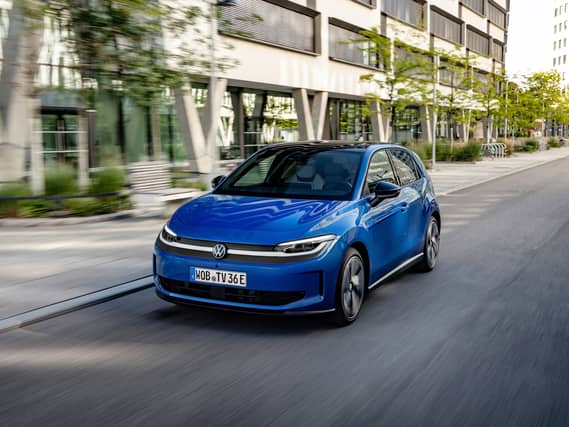

The new ID.Polo sparks a brand new range of EVs for Volkswagen, and Jon Reay has been finding out what it’s like.
What is it?
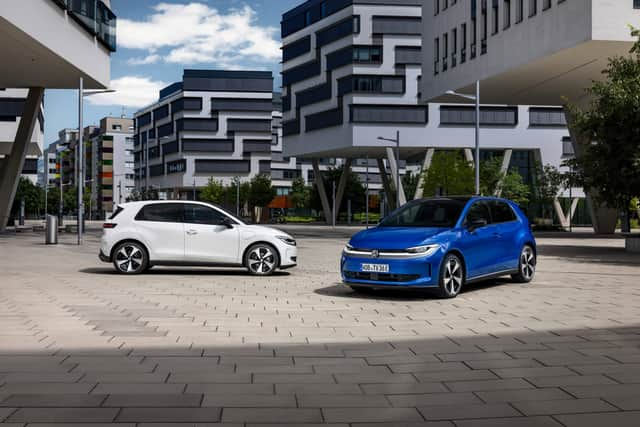
It might not seem revolutionary to slap the Polo name on the back of a small German hatchback, but it very nearly didn’t happen. We’ve now had a whole generation of electric VWs with names like ID.3, ID.4, ID.7 and so on – but as it turns out, customers would much rather own a Golf, or a Tiguan, or a Passat.
So a big welcome to the ID.Polo, then. Volkswagen has kept the ID bit to separate it from the regular, petrol-powered car, but this electric version is supposed to embody all the things that have made the Polo successful.
What’s new?
It’s on an electric-only platform, most closely related to the new Cupra Raval and Skoda Epiq, but also shares plenty of bits with the rest of Volkswagen’s larger electric cars.
Don’t think of this as a miniature ID.3 though. VW has learned plenty of lessons from its current range of EVs, and after ‘listening to customer feedback’, it’s finally started to fix a lot of the niggles – like naff touch-sensitive buttons – that have plagued its first-generation EVs.
VW’s new philosophy is to give the people what they want – which is to say, models that feel as sensibly designed and substantially built as they used to be.
What’s under the bonnet?
There are two battery packs on offer, a 37kWh with up to 205 miles of range, or a 52kWh with up to 281 miles. Interestingly, VW reckons the ID.Polo is the most efficient EV it’s ever made, hence the very competitive range figures for relatively modest battery sizes.
We’re driving the 208bhp version, available exclusively with the bigger battery. It’s effectively the most powerful ID.Polo you can buy until the GTI arrives, though even that is only a modest 15bhp up on this.
It’s certainly quick, and you’re never left wanting for a little extra power. Impressively, too, power delivery is smooth and manageable, without any hint of wayward behaviour or wheel spin if you’re generous with the accelerator.
What’s it like to drive?
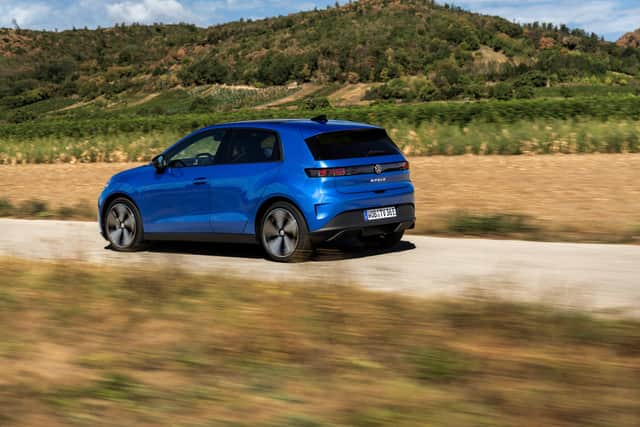
This, combined with the very comfy seats and sensible driving position, means the ID.Polo is likely to be an excellent companion for longer journeys. That’s not something you could say about a lot of its rivals.
Not so in evidence is the fun factor. It doesn’t have the nimbleness of something like a Renault 5, and nor does it feel as confidence-inspiring or planted as its rear-wheel-drive bigger brother, the Cupra Born. Still, a GTI version will be along shortly, so it’s likely Volkswagen doesn’t want the regular version to tread on its toes too much.
How does it look?
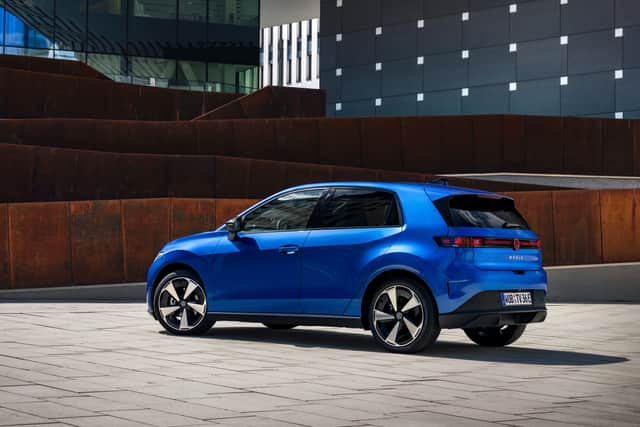
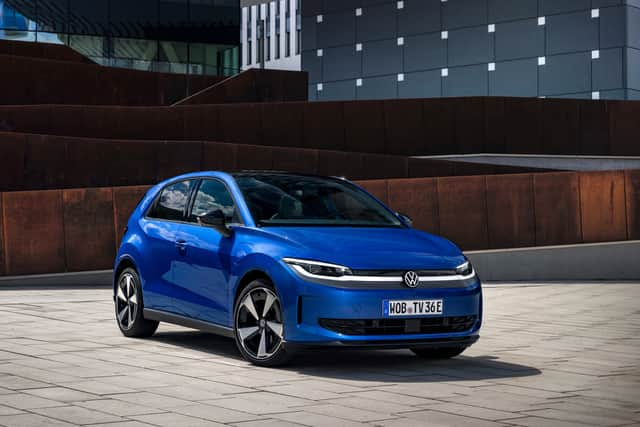
There are certainly plenty of modern touches, of course. An LED light bar sets the front end off nicely, as do a pair of daytime running lights, cleverly mimicking the shape of the regular Polo’s headlamp units.
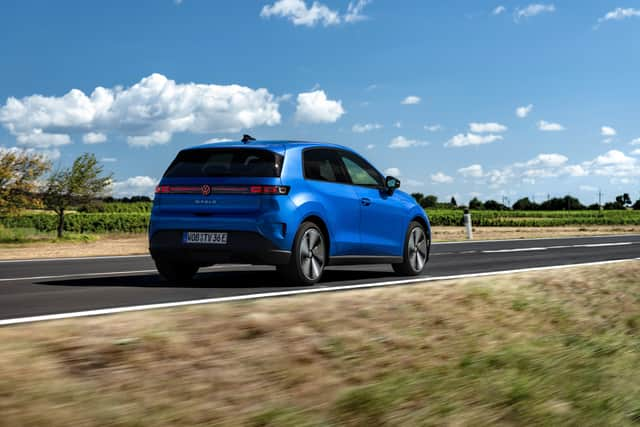
A matching rear red light bar is surprisingly subtle by 2026 standards, though the light-up VW badge can’t quite claim the same victory. Sadly too, this no longer does the neat trick of flipping up and operating as a boot lid handle, which is a bit of a shame.
All ID.Polos are five-door, much like the standard car, but Volkswagen has hidden the rear handles – Alfa Romeo-style – into the black plastic surround of the rear window. There’s also no hint of electric door handles here, thank goodness, with both doors operating using proper mechanical linkages.
What’s it like inside?
It’s certainly done the trick. There’s a decent amount of room behind the rear seats, and a floor that lifts out of the way to reveal another cavernous area. There’s nothing clever or waterproof about it, mind, and if you opt for the posher stereo option, anything you store there will be jostling for space with a rather fragile-looking subwoofer.
Rear leg room is fairly impressive too, with far more head and leg room than you’d find in a Renault 5 or Vauxhall Corsa. In fact, it’s not far off the kind of space you’d get in the larger ID.3.
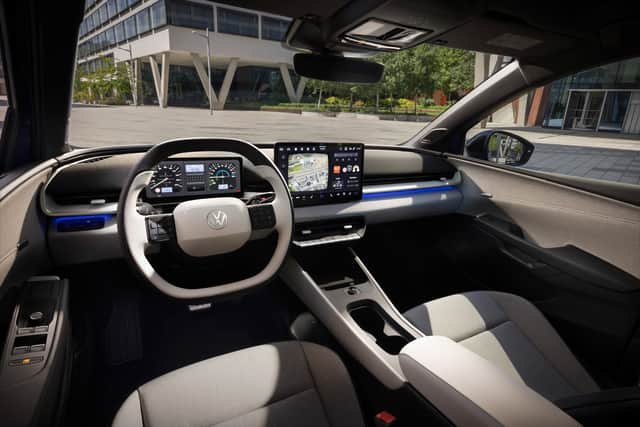
It’s not just space where the ID.Polo feels like a car from the next class up, either. Volkswagen has learned its lessons from the slightly iffy interior quality of cars like the ID.3, and has gone back to the drawing board.
The fingerprint-heavy, gloss black haptic controls on the steering wheel have gone, replaced with proper buttons that are logically designed and pleasant to use. Physical climate control toggles are back too, so no more faffing around with a strange plastic slider to adjust the temperature.
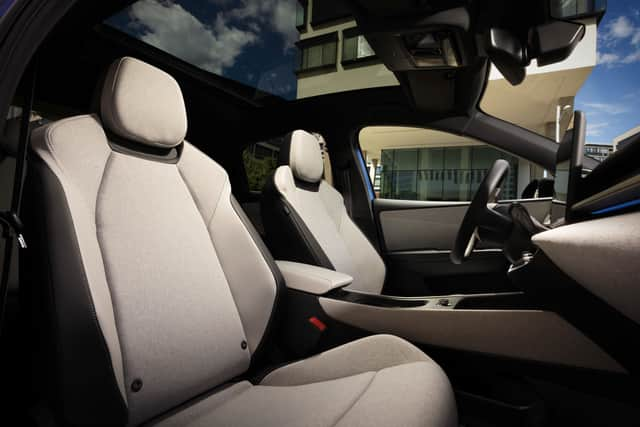
Then there’s the materials: the doors, centre console and lower dash get a generous covering of fabric that matches the seats, which all looks and feels considerably nicer than just black plastic. Unusually, even the top half of the dash gets covered in an attractive and plush black mesh, the sort of thing you might find cushioning your shins in a pair of trainers.
It’s all rather impressive. In fact, some elements – like the door handles, or the air vent toggles – feel far more substantial than in some posher VW Group cars we could name.
What’s the spec like?
There are only two trim levels coming to the UK: Life and Style (get it?), with Life probably being the most sensible choice. It gets all the usual bits and pieces: Apple CarPlay and Android Auto, dual-zone climate control, wireless phone charger, front and rear parking sensors and a rear view camera.
Upgrade to Style and you’ll get the option of a lighter grey interior (should you want it), some jazzier alloy wheels, satellite navigation, heated front seats, an ambient lighting system and a few other niceties.
Beyond that, there are some surprisingly posh optional extras too: electrically adjustable seats with a basic massage function, a Harmon Kardon speaker system, and park assist with a ‘memory’ function. Also on the options list is a heat pump, not standard in either trim level, and a rather hefty £935 to add on.
Verdict
The ID.Polo feels like a proper return to form for Volkswagen, with a sensibly designed interior, solid build quality, and tidy ride and handling.
It truly feels like a car from the next class up, both in terms of refinement and equipment. It’s spacious, comfortable, and 282 miles of range from a 52kWh battery is pretty impressive. There really is very little to find fault with.
It may not have the character of a Renault 5, or be as cheap to buy as some of its rivals, but it has a breadth of skills that no other small EV can match – at least for the moment.
If you’re after an electric hatchback for around £25,000, the ID.Polo could now be the one to beat.