
Why England's great treasure stayed hidden
On the morning of what would be an epic FA Cup fifth- round tie against Newcastle, Ray Barlow awoke at 7am, opened the curtains at his digs in the old Hawthorns pub and stared down in disbelief at the thousands of ticket-hunting fans already flocking around Albion's stadium.
Martin Swain pays tribute to Ray Barlow
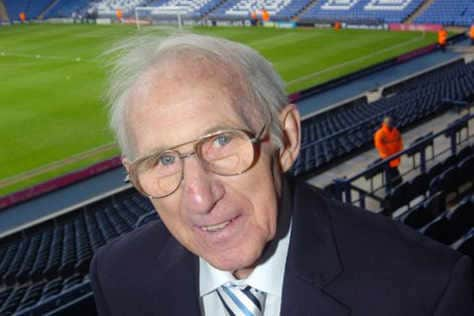

On the morning of what would be an epic FA Cup fifth- round tie against Newcastle, Ray Barlow awoke at 7am, opened the curtains at his digs in the old Hawthorns pub and stared down in disbelief at the thousands of ticket-hunting fans already flocking around Albion's stadium.
Such scenes we will never see again and now, with the passing of the man who until Tuesday was the last surviving member of the team which took the FA Cup in a memorable final against Tom Finney's Preston, another mortal link with a golden age is severed.
Barlow leaves behind the legacy of a player who became one of the hidden treasures of English football.
Why he was so shamefully neglected by England, winning just one cap, must remain an unsolved mystery. The man himself often mused whether one of the interminable tactical lectures by the nation's first independent manager, Walter Winterbottom, may have been the genesis of his meagre recognition – Barlow, bored to distraction, was caught by an unimpressed Winterbottom reading a newspaper at the back of the assembly of the English game's finest.
England's oversight would consign Barlow to a footnote in the game's history were it not for the reverence and respect he enjoyed from his peers and the awe his long, rangy stride and pinpoint passing across any distance generated among his audience.
Barlow could play anywhere and frequently did, once scoring two goals at centre-forward to win both a Black Country derby and the furious respect of Bill Shorthouse.
But it was at left-half – or midfield as later generations would re-label the role – that he truly shone, although not enough to prevent Winterbottom at one point even calling up the inferior and 38-year-old Leslie Compton in preference.
If his Albion devotees resented their star player's lack of recognition, Barlow never displayed any bitterness. He retired into the post-career trappings of his generation, running a sports shop and then a tobacconist, remaining to the last a gentle soul within a gentle man, always ready to chat in that lovely, lilting West Country burr, a humble giant who cared for the little things in life.
I learned of his passing just as I was digesting a revelation from one Mark Sands, head of bankruptcy at bean counters RSM Tenon, that the average salary of Premier League players in 2010 was £1.47m – 56 times the average UK wage. Mr Sands is dealing with the bankruptcy of Lee Hendrie, who at his 'peak' was earning £24,000 a week while remaining 56 times less of a player than Barlow. Ah well, so it goes. Rest in peace, a true giant.