West Midlands drought: What the weather status means and how it will affect you, including possible hosepipe bans
A drought has been declared in the West Midlands as England experiences the driest summer since 1976. Here's a look at what it means, including latest updates from Severn Trent and South Staffs Water.
The Environment Agency (EA) has declared a drought in the West Midlands after rainfall across England was 20 per cent less than the long-term average last month.
It comes after the West Midlands and much of the wider UK experienced temperatures of more than 30C, with three separate heatwaves declared during the summer period so far.
The West Midlands has now joined the Northwest England and Yorkshire regions, which declared drought status in May and June, respectively.
The decision to declare the drought was made by the National Drought Group, which includes the Met Office, the Government, water firms, and other water and environmental groups.
Helen Wakeham, Environment Agency director for water and National Drought Group chairwoman, said: “This has been the driest start to the year since 1976, and we need to make sure our water supplies can sustain us through the summer.
"Today, I have asked all the partners who make up the National Drought Group to step up their operational response to manage the drought and use water wisely."
But what does a drought mean for the West Midlands? And how will it affect you?
Why has a drought been declared?
The drought situation was declared following a meeting by the National Drought Group, which found that across England, rainfall was 20 per cent less than the long-term average for June.
June was also the hottest on record for England, with two heatwaves declared, and the high heat driving an unusually high demand for water.
Having experienced our third heatwave of the summer period earlier this month, the high temperatures also continue to impact the water systems across the West Midlands, with water companies taking action to manage demand, and urging residents to 'use water sparingly'.
How will the drought affect the West Midlands?
The Environment Agency has said that while water supplies are 'currently secure', they are seeing adverse effects on the natural environment due to the ongoing lack of rain.
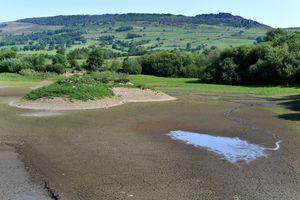
The drought means lower river levels, with some waterways at their lowest level since June 1976, and lower oxygen levels in rivers and streams, leading to possible deaths of aquatic life.
It means that water companies South Staffs Water and Severn Trent have appealed that residents 'take action' to help conserve water where they can.
Will there be 'TUB' or hosepipe bans?
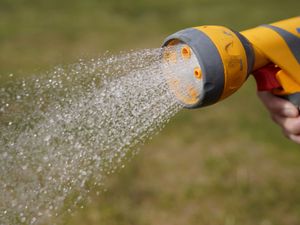
While there are no plans from either Severn Trent or South Staffs Water for temporary usage bans (TUBs) or hosepipe bans, the companies have made strong appeals for residents to be mindful of their water usage during the high temperatures.
South Staffs Water said it "hasn't had a hosepipe ban for over 30 years" and wants to reassure customers that it is "doing everything we can".
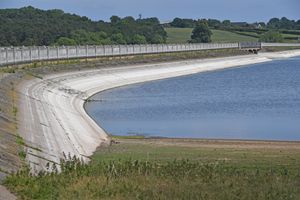
Severn Trent added that it is following a 'drought management plan', revealing that the water level at Blithfield Reservoir, which feeds more than half a million properties across the Black Country, East and South Staffordshire and South Derbyshire, is down by 20 per cent.
While there is no indication of a hosepipe ban as of yet, neither company has ruled out a ban being implemented in the future.
How can I save water?

Both Severn Trent and South Staffs have listed a number of ways to conserve water during the drought period, with both saying that 'small changes' to everyday usage are the key.
Severn Trent has said that holding off using your dishwasher or washing machine until you have a full load, using a bowl when washing up instead of a running tap, and taking a shower instead of a bath helps to reduce water waste.
Severn Trent said that fixing household leaks promptly, getting a water meter and using a shower timer can help to reduce not only water waste, but also household bills.