
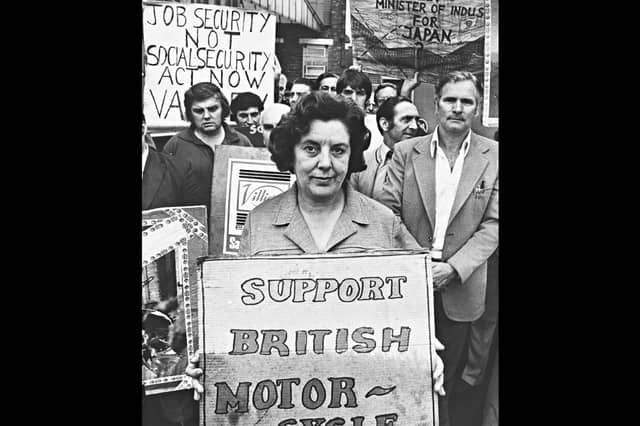

Step back to the 1970s, when the sound of heavy machinery, the glow of furnaces and the bustle of factory floors were woven into everyday life across Wolverhampton, the Black Country and Staffordshire.
This gallery brings together archive photographs capturing life inside and outside the region’s factories and workplaces. From roaring furnaces and pneumatic hammers at historic toolmakers to quiet, ivy-clad works, purpose-built industrial estates, picket lines and factory closures, these images offer a vivid glimpse of the people, places and working lives of a region at the heart of Britain’s industrial story.
Do you remember these workplaces, or did you or someone in your family work there? Share your memories and stories in the comments.
- Take a look at these 31 pictures capturing the spirit of Wolverhampton and the Black Country.
- You can enjoy this and more with our weekly FREE Nostalgia Newsletter - with scores of archive pictures and exclusive features on the history of Wolverhampton, Staffordshire and the Black Country - all sent to your inbox every week. Sign up here.
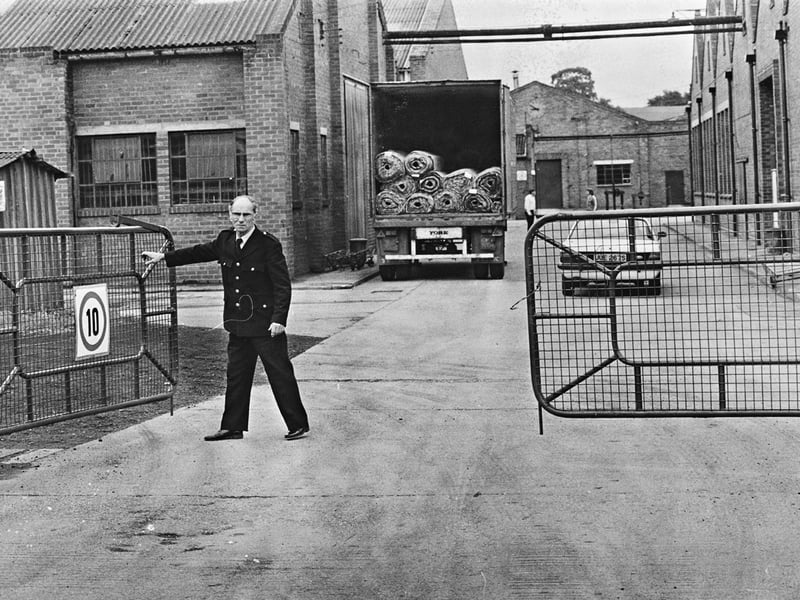
9. Guarded gates, loaded lorries, and the shadow of closure over three hundred factory jobs
A uniformed gateman holds open the mesh security entrance in June 1978 as a York lorry stacked with carpet rolls prepares to leave the works compound. Behind the quiet routine of daily deliveries, shock news had just broken that Morris Carpets in Kidderminster was sacking its entire 300-strong workforce. Despite receiving roughly £150,000 in government subsidies earlier that year and assurances of job security, employees at the Hoobrook factory were handed redundancy notices, with the site set to close by Christmas unless a buyer could step in. The stark image captures business continuing as normal behind the gates even as unemployment gloom deepened across the regional textile industry. | Express & Star archive
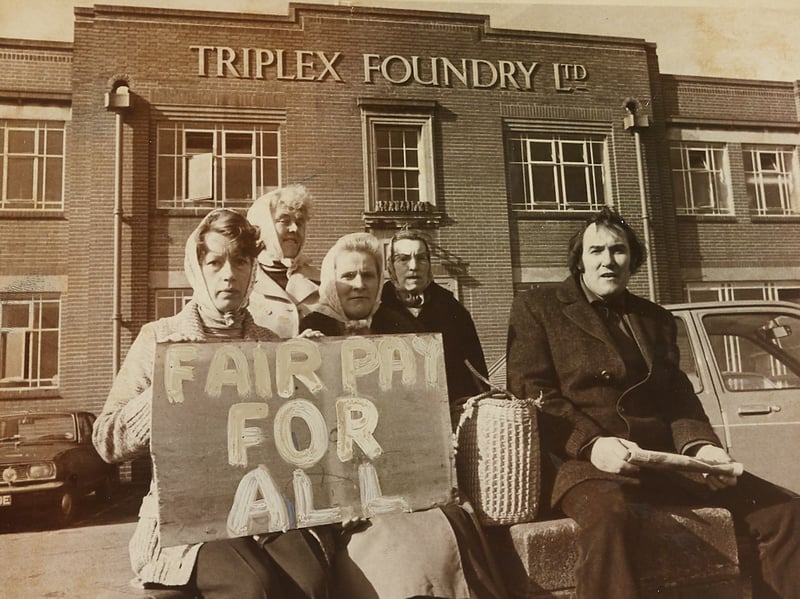
10. Handmade signs and shopfloor solidarity in the fight for equal foundry pay
Holding a prominent "Fair Pay For All" placard outside the impressive brick facade of Triplex Foundry Ltd in March 1977, striking workers and trade unionists stage a protest in Upper Church Lane, Tipton. Around 140 workers walked out, demanding equal pay and wage increases of between £3 and £7 a week to ensure everyone received the same rates across the board. Led by Transport and General Workers' Union shop steward Les Langford (pictured far right), the strikers accused management of attempting to divide union membership through disparate pay scales. Wrapped up against the chilly spring weather with headscarves, coats, and a woven shopping basket resting beside them, the group demonstrates the grassroots determination that defined Black Country labour disputes during the late 1970s. | Express & Star archive
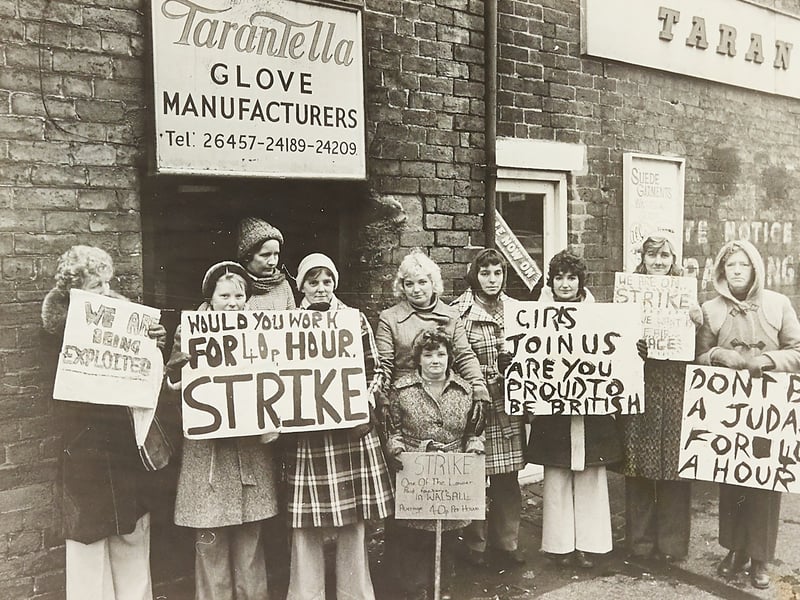
11. Pickets, hand-painted signs, and a 30p battle for basic union rates
Standing outside the Hatherton Road factory entrance in October 1976, twelve female workers stage a token one-day strike over low pay. Holding signs reading "Would you work for 40p an hour" and "We are being exploited," the women walkout at Tarantella (Edna Kirby), a Walsall glove manufacturer, protesting pay rates well below the standard union baseline in the area. Backed by the National Union of Footwear, Leather and Allied Trades, the workers demanded an increase from 40p to a basic rate of 70p per hour. The striking image offers a vivid look at the frontline struggles of women in the Black Country's leather and garment trades during the mid-1970s | Express & Star archive
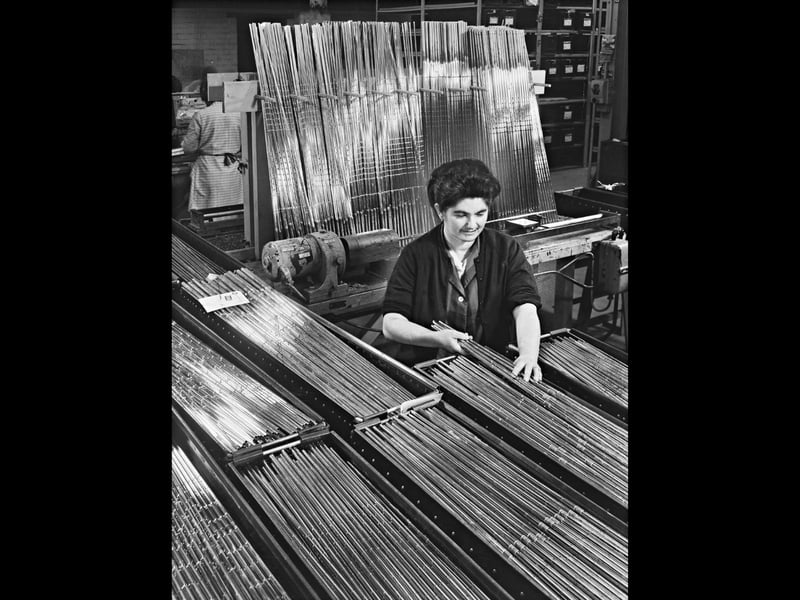
12. Gleaming steel, global demand, and the multi-million pound surge in Black Country exports
Carefully sorting and packing finished tubular steel shafts in July 1974, a factory worker prepares sporting goods for global shipment at the Accles and Pollock Ltd plant in Oldbury. Part of the TI steel tube division, the firm announced a £2.5 million expansion to double its annual manufacturing capacity from 5 million shafts to over 10 million. Fuelled by surging international demand - including securing half of the Japanese import market - the major capital investment funded two new triple drawbenches, a plating plant, and a tempering furnace. Surrounded by racks of gleaming metalwork, this photograph captures the high-volume industrial craft that kept West Midlands manufacturing at the forefront of international trade. | Express & Star archive