
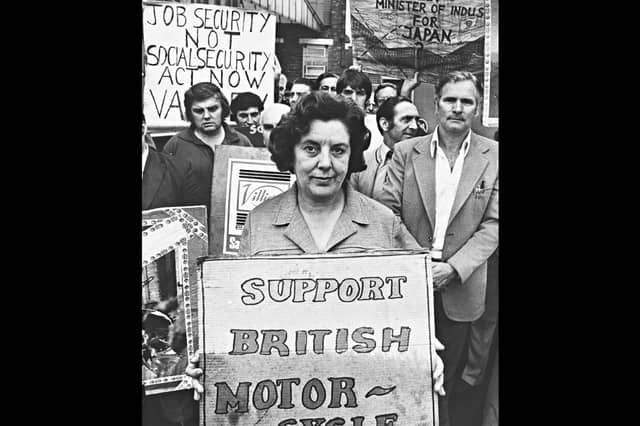

Step back to the 1970s, when the sound of heavy machinery, the glow of furnaces and the bustle of factory floors were woven into everyday life across Wolverhampton, the Black Country and Staffordshire.
This gallery brings together archive photographs capturing life inside and outside the region’s factories and workplaces. From roaring furnaces and pneumatic hammers at historic toolmakers to quiet, ivy-clad works, purpose-built industrial estates, picket lines and factory closures, these images offer a vivid glimpse of the people, places and working lives of a region at the heart of Britain’s industrial story.
Do you remember these workplaces, or did you or someone in your family work there? Share your memories and stories in the comments.
- Take a look at these 31 pictures capturing the spirit of Wolverhampton and the Black Country.
- You can enjoy this and more with our weekly FREE Nostalgia Newsletter - with scores of archive pictures and exclusive features on the history of Wolverhampton, Staffordshire and the Black Country - all sent to your inbox every week. Sign up here.
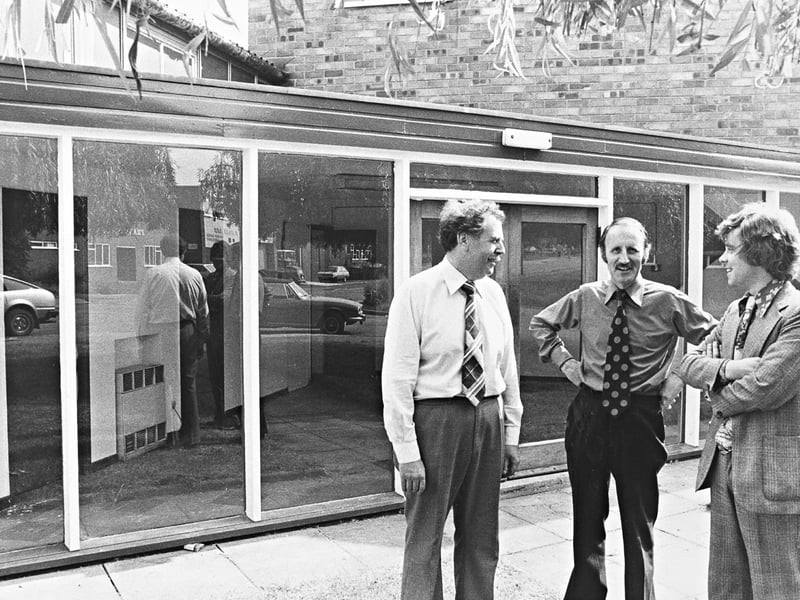
5. Expansion talks in the sun as manufacturing bosses celebrate major factory move
Chatting outside their newly acquired factory reception area in August 1978, key directors share a lighthearted moment during a period of rapid industrial growth. Pictured from left to right are James Peel (Works Director), Tom Pilkington (Sales Manager), and Andrew Gawley (Managing Director) of Light Metal Fabrications (1946) Ltd. Following an impressive £1.5 million turnover year, the Cradley Heath industrial pallet manufacturers secured a new 17,500 sq ft factory unit to boost production capacity by 50 per cent. Sporting classic 1970s wide ties, patterned shirts, and tailored suits, the trio captures the ambitious spirit of the region's manufacturing sector. | Express & Star archive
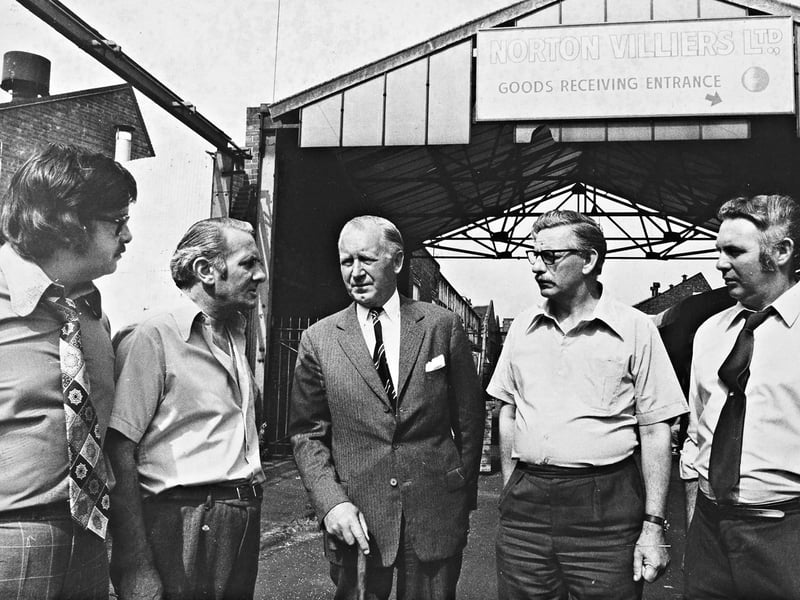
6. High-stakes talks at the factory gates as receiver determines fate of historic works
Framed by the goods receiving entrance, union representatives and official receivers lock in discussion in August 1975 over the immediate future of the Norton Villiers motorcycle factory on Marston Road, Wolverhampton. Kenneth Morgan, the Official Receiver's special manager, visited the site to tour the facility alongside trade union officials, inspecting stock levels and assessing operational viability. Transport and General Workers' Union convenor Jack Everatt (pictured left) noted that decisions were imminent regarding how much ongoing work could be maintained, following urgent meetings held in London. The scene offers a compelling glimpse into the intense industrial negotiations that defined West Midlands motorcycle manufacturing during the mid-1970s crisis. | Express & Star archive
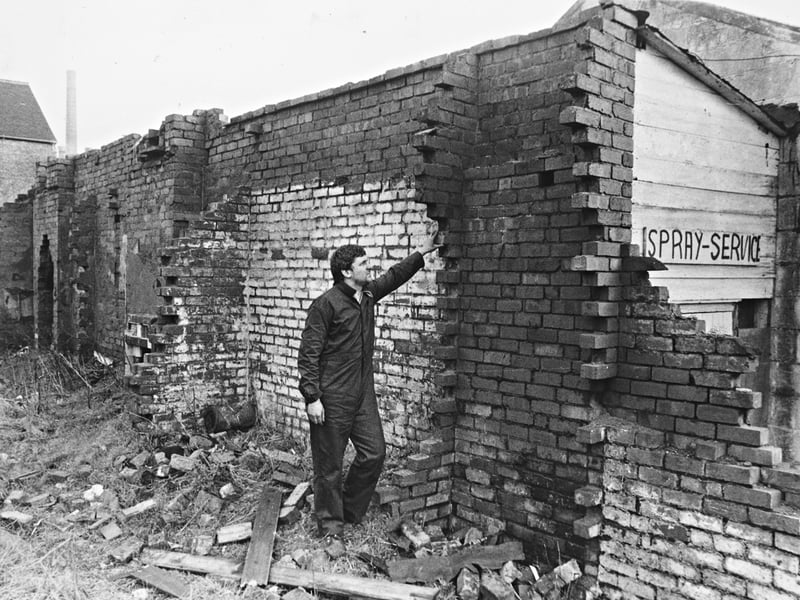
7. Crumbling brickwork and council rulings put small workshop under threat of the sledgehammer
Examining the deteriorating exterior wall of his workshop premises in February 1977, businessman Kenneth McDonald inspects the site following a contentious demolition order. Mr McDonald, of C McDonald Ltd, accused local authority planners of prioritising architecture over industry after Dudley Council declared the small Forge Lane factory an eyesore earmarked for clearance. Housing a thriving six-man business rented from Electronic and Mechanical Engineering Co. near Mucklow Hill in Halesowen, the site became caught in a stalemate where necessary repairs were halted by the looming threat of redevelopment. The striking image highlights the friction between urban renewal plans and the survival of small-scale Black Country workshops during the late 1970s. | Express & Star archive
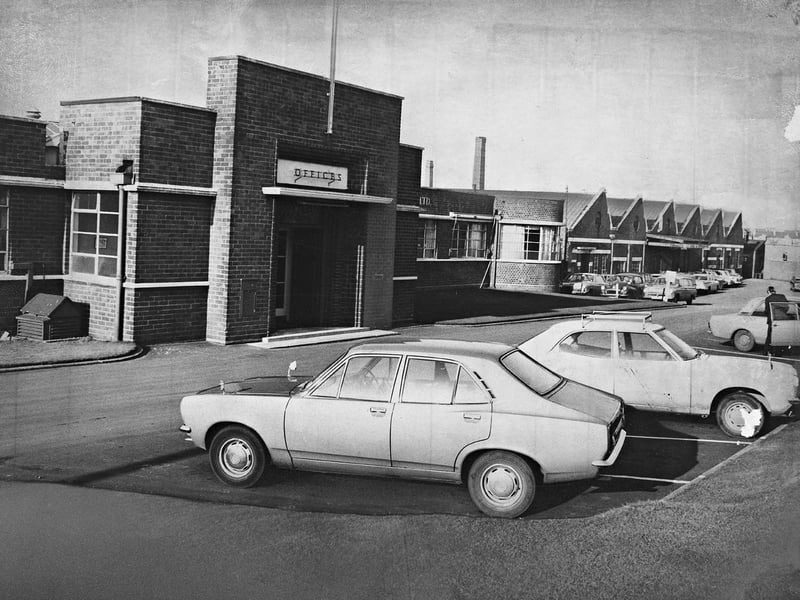
8. Parked saloons, sawtooth roofs, and the corporate battleground of a West Midlands takeover bid
Classic 1970s saloon cars line the front office entrance of A E Jenks and Cattell Ltd on Neachells Lane, Wednesfield, in November 1972. The modern brick facade and sprawling factory bay behind it found themselves at the centre of high-stakes industrial manoeuvring as rumours of a potential takeover bid circulated. Despite corporate speculation about the firm changing hands, commentators noted at the time that there was little chance of these key manufacturing premises being disrupted by the deal. The crisp autumn shot provides a fantastic look at mid-century West Midlands industrial architecture and workplace transport. | Express & Star archive