
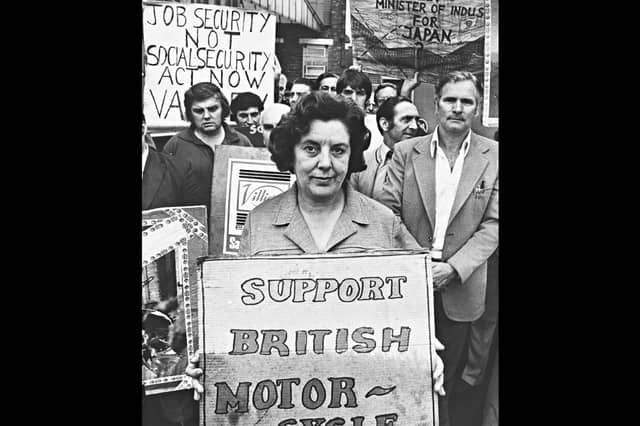

Step back to the 1970s, when the sound of heavy machinery, the glow of furnaces and the bustle of factory floors were woven into everyday life across Wolverhampton, the Black Country and Staffordshire.
This gallery brings together archive photographs capturing life inside and outside the region’s factories and workplaces. From roaring furnaces and pneumatic hammers at historic toolmakers to quiet, ivy-clad works, purpose-built industrial estates, picket lines and factory closures, these images offer a vivid glimpse of the people, places and working lives of a region at the heart of Britain’s industrial story.
Do you remember these workplaces, or did you or someone in your family work there? Share your memories and stories in the comments.
- Take a look at these 31 pictures capturing the spirit of Wolverhampton and the Black Country.
- You can enjoy this and more with our weekly FREE Nostalgia Newsletter - with scores of archive pictures and exclusive features on the history of Wolverhampton, Staffordshire and the Black Country - all sent to your inbox every week. Sign up here.
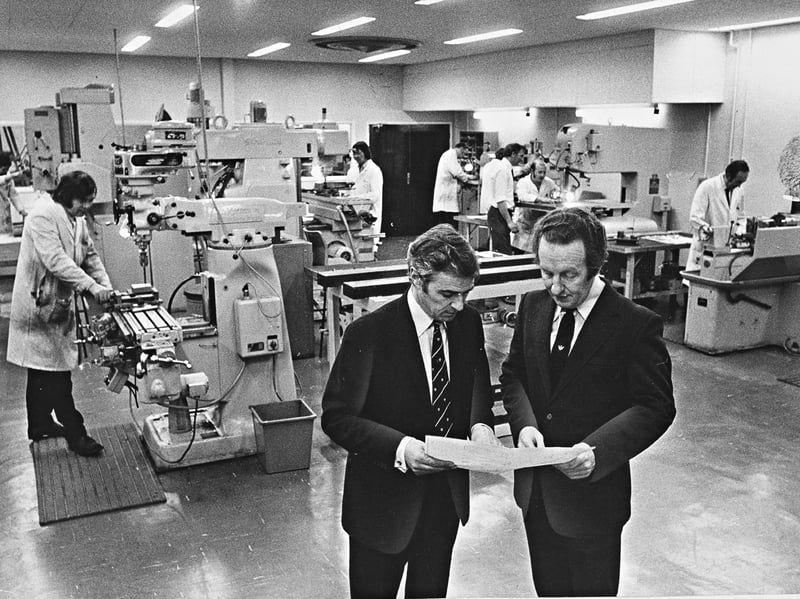
13. Blueprints, precision engineering, and the expansion of a high-tech toolroom
Examining detailed technical drawings in April 1974, Managing Director Peter Evans (left) and Engineering Director Harold Webb inspect progress inside a bright, newly completed machine shop. Located on Barnfield Road, Tipton, Midland Tool and Design Ltd added 2,000 square feet to its facility to boost production of high-precision carbide press tools. Founded in October 1969 and operating as part of the Linton and Hirst Group, the growing firm viewed this toolroom expansion as a key stepping stone toward moving into even larger premises. Behind the executives, machinists in white coats operate milling machines and precision equipment, capturing the modern face of 1970s Black Country manufacturing. | Express & Star archive
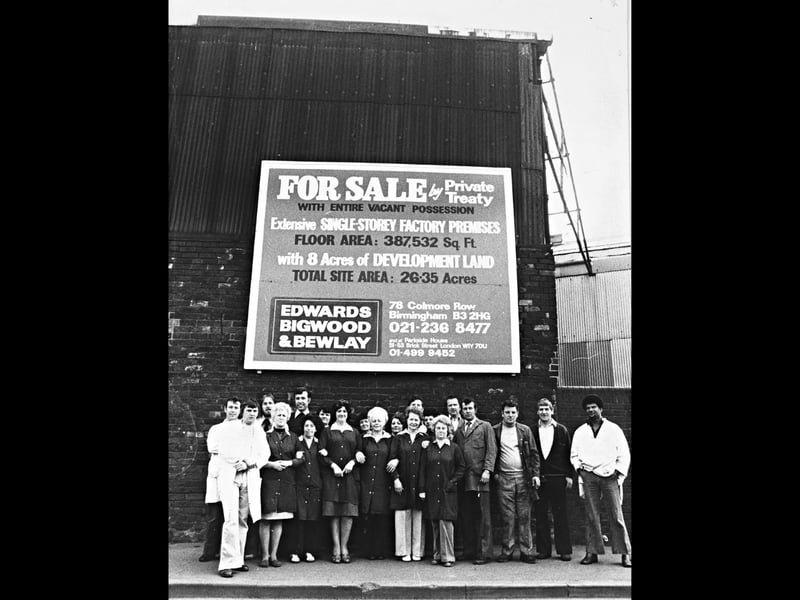
14. Standing under the "For Sale" sign as 650 factory workers face the end of an era
Gathered beneath a massive industrial estate agent's sign in May 1978, a remaining group of employees pose outside the condemned plant as operations draw to a total close. The listing advertised a vast 387,532 sq ft factory set on 26 acres, signalling the final chapter for GKN Sankey Manor Works in Ettingshall, where 650 workers were made redundant. Union convenor John Webb noted that with only a handful of staff retained to clear up for potential buyers, most of the workforce joined the growing dole queue amidst the region's severe industrial jobs crisis. The poignant group portrait illustrates the stark human impact of widespread manufacturing closures across the West Midlands in the late 1970s. | Express & Star archive
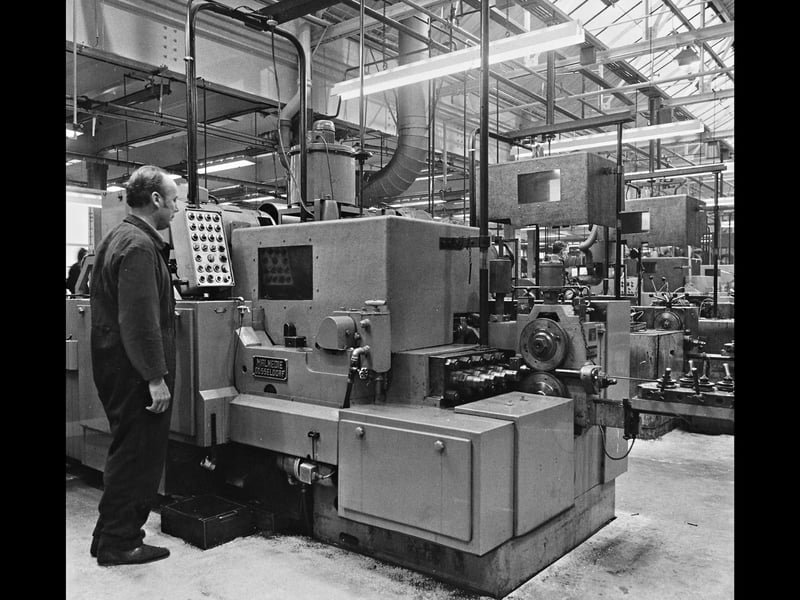
15. Fiberglass hoods, heavy machinery, and the drive for cleaner air on the shop floor
Monitoring a German-made Malmedie cold forging machine in February 1974, an operator stands beside specialised environmental control equipment installed on the factory floor. In a key initial contract, Staffordshire Industrial Services Ltd, based in Wolverhampton, fitted custom extraction systems for GKN Screws and Fasteners Ltd in Smethwick to eliminate oil mist air pollution across multi-station forging lines. The glass fibre hood suspended over the unit reduced operating noise levels while satisfying strict Factory Act safety requirements. The photograph captures a crucial shift toward modernised health, safety, and pollution control standards in Black Country heavy manufacturing during the mid-1970s. | Express & Star archive
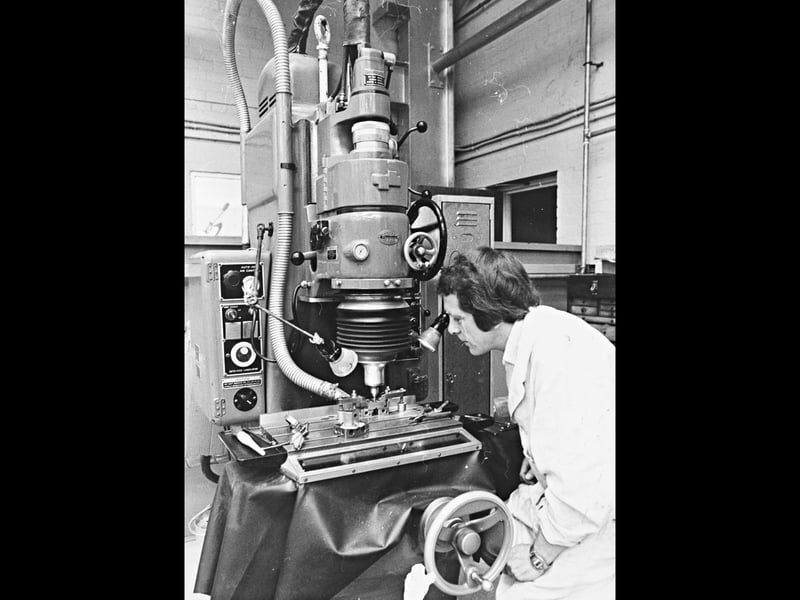
16. Mastering the micro-inch and stepping into the bright modern world of precision toolmaking
Peering closely through a specialised optical lens attached to a precision jig borer, a technician in a white coat operates high-spec toolmaking machinery in August 1978. The image captures Geometric Form Tools Ltd during a pivotal transition as the company invested £750,000 over three years to re-equip its plant and relocate to a new, purpose-built 30,000 sq ft factory on Stringes Lane in Willenhall. Moving from cramped, two-story premises previously converted from a series of old houses, the firm gained the open, single-storey space needed to install the latest modern machine tools. This striking study highlights the sophisticated craftsmanship driving the region’s precision engineering sector. | Express & Star archive