Humans found to be in Australia 10,000 years earlier than thought
The discovery casts doubt on the previous belief that humans brought about the extinction of various “megafauna” on the continent.

Humans first arrived in Australia 10,000 years before previously thought, a study has revealed.
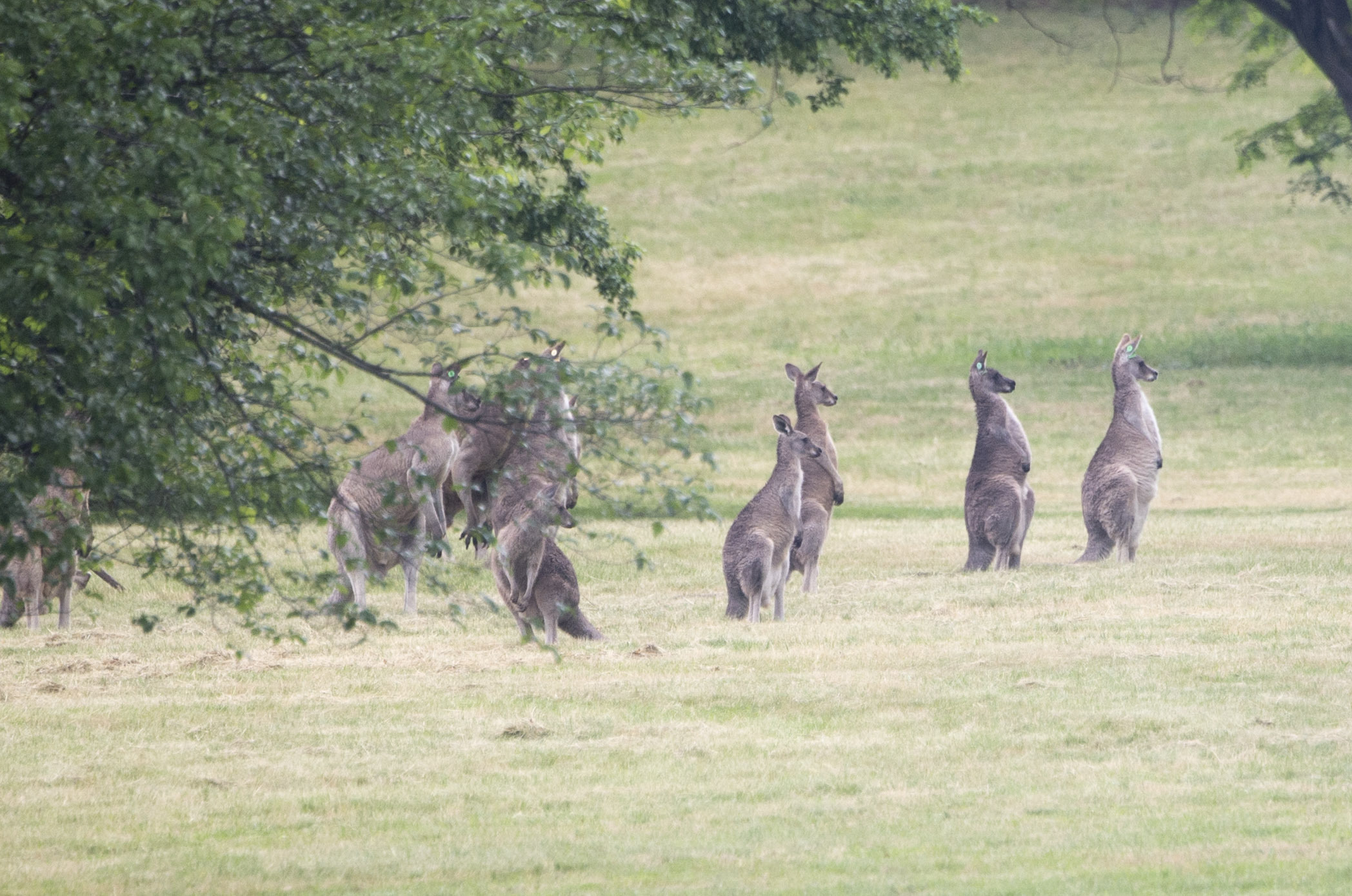
The discovery of artefacts from around 65,000 years ago has cast doubt on the former assumption that human interference helped kill off giant kangaroos, wombats and tortoises, which were unique to the continent until around 45,000 years ago when they became extinct.
“It shifts the idea of humans charging into the landscape and killing off the megafauna.
“It moves toward a vision of humans moving in and co-existing, which is quite a different view of human evolution.”

The process can show the last time a sand grain was exposed to sunlight up to 100,000 or more years ago.
This and other tests built up a picture of the environment and showed that when the first humans arrived, northern Australia was wetter and colder than it is today.
The findings, published in the journal Nature, support the theory that our species Homo sapiens evolved in Africa before dispersing to other continents, Dr Marwick said.