Plans for 24-hour gym plans on site of former West Bromwich steelworks rejected
A plan to open a 24-hour gym in a former factory has been turned down by a council.
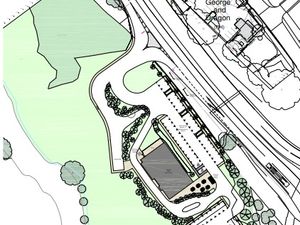
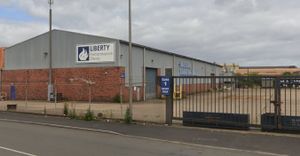
The move by D1 Gyms to open in part of the former Trident Steelworks in Albion Road, West Bromwich, has been rejected by Sandwell Council.
The local authority’s planners said the gym went against its ambition to use the former steelworks as land for employment.
The 19-acre site was earmarked for more than 740 homes in Sandwell Council’s plans first adopted in 2012 but the site remains untouched by developers.
The site is earmarked as employment land in the emerging ‘Sandwell Local Plan’ – a blueprint setting out where homes and other developments would be preferred to be built in borough up to 2041.
The heavily-delayed ‘local plan’ is currently being reviewed by a government planning inspector but unlikely to meet its proposed early 2026 adoption deadline.
In the report outlining the refusal, Sandwell Council said: “The site is part of a residential allocation in the adopted development plan and its change to gym use would conflict with policy […] which safeguards allocated sites for residential development and ancillary uses.
“Furthermore, the site is allocated as local employment land in the emerging Sandwell Local Plan and the development is contrary to [the] policy […] which safeguards local employment land for specific employment-generating uses.
“The development would thereby undermine allocations for housing and employment land within the borough, resulting in the loss of much-needed available land for such uses.”
A statement included with the application said: “The proposal seeks to re-purpose the warehouse into a gymnasium, providing a range of fitness facilities including open-plan exercise areas, changing rooms, and ancillary spaces such as a reception.
“The existing building is ideally suited and directly adaptable for this purpose with no works to its structure required.
“The proposed change of use represents a sustainable and community-focused development that re-uses a vacant building while meeting local needs.
“The proposal is unobtrusive, incorporates inclusive access, and aligns with local planning policies.”