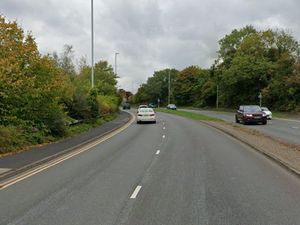
Plan for eight apartments near Halesowen rejected on appeal
Plans for eight apartments near Halesowen have been dismissed by the Planning Inspectorate following an appeal against a decision by Dudley Council.
The proposed site is land associated with a plot on Nimmings Road in Blackheath which included a detached house prior to its demolition.
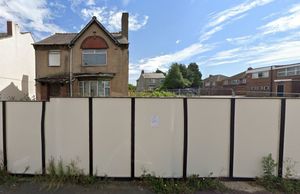
Two previous applications to build on the site had been rejected after planners concluded they would be inappropriate development.
The latest application, which was registered in January 2025, comprised eight one-bedroom, one person dwellings, ten parking spaces and an amenity space.
A report from Dudley Council planning officer on the application concluded: “The residential use of the site would be acceptable in principle however the proposed development within the existing residential curtilage would create an overly intensive and contrived form of ‘garden grabbing’ that would undermine the character and distinctiveness of the established street scene.”
Council officers also decided the development would impact on highway safety and recommended refusal of the application.
In March 2025 the council rejected the scheme and an appeal against the decision was lodged with the Planning Inspectorate.
The Inspectorate found the scheme did not constitute garden grabbing because there was no house on the site and the planned building did not appear out of character with surrounding houses.
According to the Inspectorate however, the density of the development, at 77 dwellings per hectare, was way above the locally established density and providing ten parking spaces and a turning area would be out of keeping with the pattern of nearby development.
The Inspectorate also concluded people leaving the property would step directly onto an access road which, due to the design of the building limiting the view for drivers entering the site, put their safety at risk.
A report from the inspectorate said: “The identified harm arising from the proposed development’s effect on the character of the area, the living conditions of occupants and the safety of pedestrians would significantly and demonstrably outweigh the benefits.”