
How to drive safely in frosty conditions
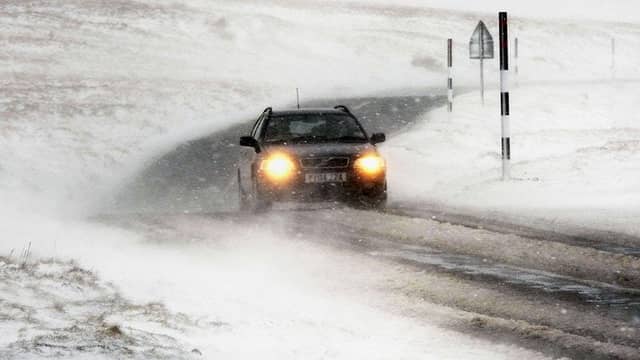

With temperatures dropping and snow falling, roads can become something of a danger. Here are some tips to help you drive safely in icy conditions
The first frost of the winter can be a troublesome time for Brits — there’s the mad rush to buy woolly clothing, Christmas turkeys and comment on the weather to every person in sight.
It often also brings chaos to our road networks, with snow and ice creating slippery conditions. For those with little experience of, it can be a daunting time. So, here are our tips for driving safely in frosty conditions.
Take an emergency kit of de-icer and ice scraper, torch, warm clothing and boots, first aid kit, jump leads and a shovel, together with a warm drink and emergency food in case you get stuck or your vehicle breaks down.#uksnow #snow #weatheraware pic.twitter.com/vp0MID03PK
— The Highway Code (@HighwayCodeGB) December 9, 2017
There’s never too much preparation
The most crucial aspect of being safe on the roads, especially in winter conditions, is preparation.
Before setting off for the day, de-icing your car is key. Frozen windows mean poor visibility, so clear as much ice as you can with a de-ice spray or scraper to clear your view.

It’s also worth packing a winter driving kit, too. This doesn’t have to be apocalypse-proof, but it’s a good idea to keep some essentials in your car such as a high-visibility jacket, snow grips for shoes, a torch, emergency snacks and a power bank for your mobile devices just in case you do end up stranded on the roads.
If you’re heading into seriously harsh conditions, it could be worth carrying a shovel to clear snow and a rug to lay under tyres for extra grip, while tyre chains can be a useful addition for keeping on the move in thick snow.
When driving in icy or snowy weather keep well back from the road user in front.
Stopping distances can be 10 times greater than on dry roads#uksnow #snow #weatheraware pic.twitter.com/rcgBDrIkxf
— The Highway Code (@HighwayCodeGB) December 10, 2017
Pace yourself
Frozen roads are a different ball game to the rest of the year and driving styles must be adapted for the conditions.
Traction is the big difference — slippery conditions mean less grip on the roads, making vehicle input much more sensitive than usual.
Pretty grim out on the roads.
Take care #uksnow. Lights, distance, slow, gentle on the brakes. pic.twitter.com/RFhGFYsQcK— Edmund King OBE (@AAPresident) December 10, 2017
Acceleration, braking and steering must be done gently to avoid wheel spin, locking brakes and oversteer. Staying in a high gear can also help maximise traction.
Also remember that speed limits aren’t targets, and you should always drive at a pace safe for the conditions you’re in — even if that means travelling slower than usual.
Visibility is key
Although de-icing your car is key to maximise visibility, it’s just one piece of the puzzle when it comes to ensuring a clear view in frosty conditions.
Before you set off, you MUST be able to see, so clear all snow and ice from all your windows. pic.twitter.com/MFu2f2FeOV
— The Highway Code (@HighwayCodeGB) December 9, 2017
Checking your bulbs before every journey is a quick but crucial task, and it’s worth carrying spares in case a light goes, as being seen by other motorists is just as crucial as being able to see where you’re going.
Foglights can be used if visibility is severely reduced, but remember to switch them off in traffic or brighter conditions to avoid dazzling other drivers.
Take charge of your battery
Car batteries operate less effectively in cold temperatures — far from ideal in the conditions we demand the most from them.

Keeping your battery charged is key and long drives are the best way to generate power. Short drives can be heavily draining on power, so it’s worth avoiding quick trips if possible. Turning off lights, wipers and heating when not needed is also essential to avoid excessive battery use.
In addition, it’s worth investing in jump leads in case your battery does go flat and refuses to start, allowing you to power up from another car.
Be #winterready Top tips to help you avoid a breakdown or an accident in the #ice and #uksnow #takecare @metoffice https://t.co/MJGLz6RxqC pic.twitter.com/ynd1R95Fdh
— RAC Press Team (@RACPress) December 10, 2017
Avoid driving at all
The best way to stay safe in difficult driving conditions is not to get behind the wheel at all. If weather warnings are severe, it’s best to avoid trips in your car unless absolutely necessary.
If you don’t have much experience or confidence driving in difficult conditions, it may also be wise to ask a more capable family member or friend to drive if you must travel by car.
Should you get behind the wheel, always remember to take extra caution, as well as allowing more time and space for other road users who may not be as prepared for the weather.