Bulgarian government resigns as mass protests over higher taxes continue
The country is due to join the eurozone on January 1.
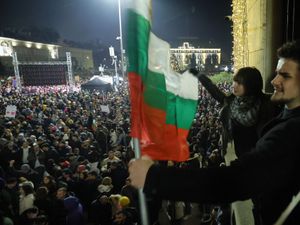
Bulgaria’s government resigned on Thursday as mass protests gripped the country just weeks before it is due to join the eurozone.
The resignation of the minority coalition, led by the centre-right Gerb party, was announced minutes before parliament was scheduled to vote on a no-confidence motion tabled by the opposition over economic mismanagement and supported by growing public anger with widespread corruption.
“Ahead of today’s vote of no confidence, the government is resigning,” Prime Minister Rosen Zhelyazkov told reporters in parliament.
The demonstrations on Wednesday came after last week’s protests that were sparked by the government’s budget plans for higher taxes, increased social security contributions and spending increases. The government later withdrew the controversial 2026 budget plan.
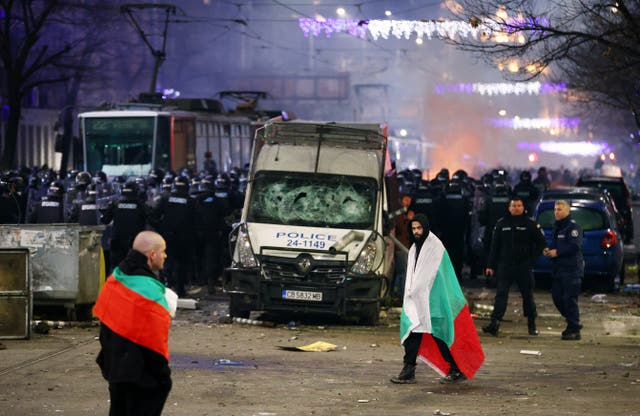
The protesters’ demands had expanded to include calls for the centre-right government to step down.
“The decisions of the National Assembly are meaningful when they reflect the will of the people,” Mr Zhelyazkov said, referring to the anti-government protests. “We want to be where society expects us to be.”
Students from Sofia’s universities had joined the protests, which organisers said outnumbered last week’s rallies that drew more than 50,000 people. Media estimates based on drone visuals put the number of protesters at over 100,000.
At the core of the protesters’ frustrations is the role of Bulgarian politician and oligarch Delyan Peevski, who has been sanctioned by both the United States and the United Kingdom, and whose MRF New Beginning party backs the government.
Mr Peevski has been accused by opponents of helping shaping government policy in line with oligarchic interests.
“We have no doubt that the government will receive support in the upcoming vote of no confidence. Regardless, the decisions of the National Assembly are important when they reflect the will of the sovereign,” the prime minister said.
The Balkan country of 6.4 million people is due to make the switch from its national currency, the lev, to the euro on January 1, to become the eurozone’s 21st member.