
Making their minds up: Search under way for UK’s Eurovision 2027 entry

The BBC has confirmed the hunt has begun for an artist and a song, with a clear focus on presenting ‘the very best of contemporary British music’.
The search for an artist to represent the United Kingdom at next year’s Eurovision Song Contest has begun.
The BBC has confirmed the hunt is under way for both an artist and a song, with a clear focus on presenting “the very best of contemporary British music”.
UK Eurovision project director David May, who brings almost two decades of music industry experience to the role, is leading the search.
May previously managed 2022 Eurovision runner-up Sam Ryder, whose debut album There’s Nothing But Space, Man! reached number one in the UK charts.
May is working with Andrew Cartmell, executive producer and head of delegation for the UK, and colleagues from BBC Music, BBC Introducing, BBC Studios Entertainment Production and BBC Entertainment Commissioning to select the song and act to compete in Bulgaria next year.
They said they will search across UK music labels, publishers and the nation’s independent sector.
May said: “We intend to be represented by an outstanding current British act, backed up by the very best songwriting and production talent the UK music industry has to offer.
“We are looking for an act with tried and tested live performance experience and a song crafted in the UK by the very best home-grown talent.
“I saw first-hand in 2022 what one performance at Eurovision can do for an artist’s career.

“The opportunity is still very much there and it’s time the United Kingdom reached the top of the Eurovision scoreboard once again.”
The chosen act and song will be announced ahead of the submission deadline from content organisers, the European Broadcasting Union, in March 2027.
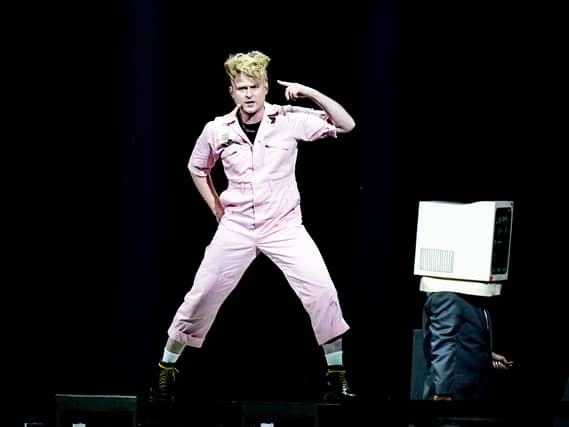
Earlier this year, UK entry Eins, Zwei, Drei, by Look Mum No Computer – the stage name of Sam Battle – finished in last place with one point.
The Eurovision Song Contest began in 1956, making it the longest-running international singing competition on television.
It continues to attract a huge audience, with an estimated average audience of 160 million tuning in.
The 71st edition will be held in the city of Burgas after Bulgarian entry Dara won this year’s contest with her electro-pop song Bangaranga.
The semi-finals and grand final will be broadcast on BBC One, BBC iPlayer, BBC Radio 2 and BBC Sounds on May 11, 13 and 15.