Sir Keir Starmer says he ‘ended the week much stronger’ after political strife
The Prime Minister said his party was ‘completely united’ on issues including Ukraine and the economy.
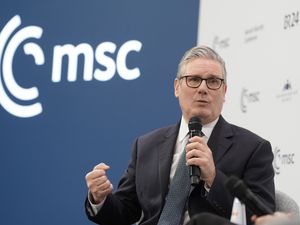
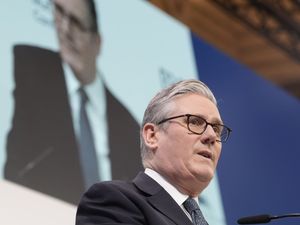
Sir Keir Starmer has insisted he “ended the week much stronger” than he started it after a period of political turbulence.
His premiership was rocked by the controversies surrounding the appointments of Lord Peter Mandelson and Lord Matthew Doyle despite their association with sex offenders, three departures from Downing Street, and a call from the Scottish Labour leader for him to resign.
Speaking at the Munich Security Conference, the Prime Minister said his party and Government was “completely united” on issues including defence and closer ties to the European Unions.
He was asked in a panel discussion after his speech whether the turmoil left him vulnerable to challenges from Reform UK and the Tories.
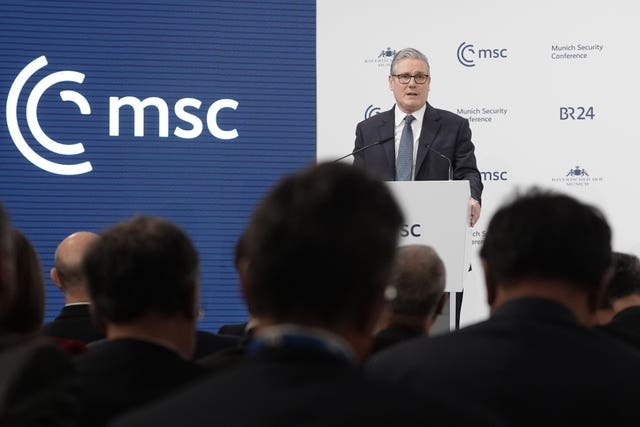
The Labour leader replied: “No, I reject that.
“I ended the week much stronger than I started it.
“And that’s a very good place to be, and my party and my Government is completely united on the question of Ukraine and defence and security and the need for stronger relations with Europe on defence, on security and on economy as well.
“And so I think that there is real strength in the position I’ve now set out.”
Attacking Nigel Farage’s “pro-Putin” party, Sir Keir suggested it was the only faction in the House of Commons not behind the UK’s support for Ukraine.
“Imagine if they were in government in the United Kingdom.
“The Coalition of the Willing could not exist with UK participation in it.
“We would not be seen as a leader on the European or international stage.
“We would be seen as a country that people couldn’t do business with.”
“So it’s not universal across our Parliament, but there’s a very strong feeling amongst right-minded politicians that we stick together on Ukraine.”
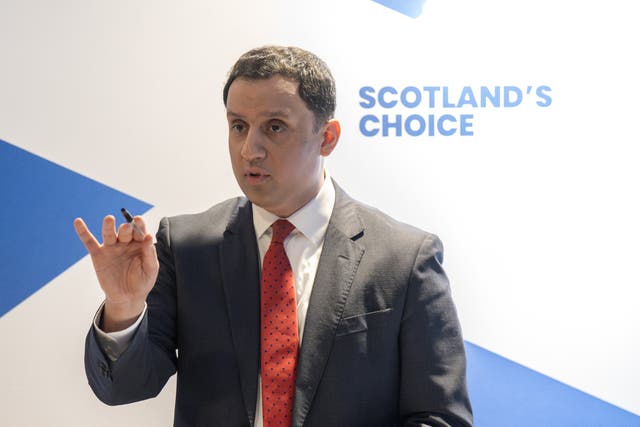
Scottish Labour leader Anas Sarwar had said on Monday that the Prime Minister should quit in the wake of the scandal around the appointment of Lord Mandelson as British ambassador to Washington despite his links to paedophile Jeffrey Epstein.
But the attempt to oust Sir Keir failed, with members of the Cabinet publicly backing the Prime Minister in the hours after Mr Sarwar’s statement.
Further questions about Sir Keir’s judgment were thrown up later in the week in a row over the appointment of his former spin doctor Lord Doyle to the House of Lords after the aide campaigned for a paedophile councillor.
The departure of the head of the civil service Sir Chris Wormald prompted criticism of negative briefings in Government, while senior Labour women suggested the string of scandals had exposed a “boys’ club” within Downing Street.
Sir Chris was the third senior figure to quit the Government in the past week, following Sir Keir’s chief of staff Morgan McSweeney and communications director Tim Allan.