
Are we heading towards drought in the West Midlands? Images show dried-out earth across region
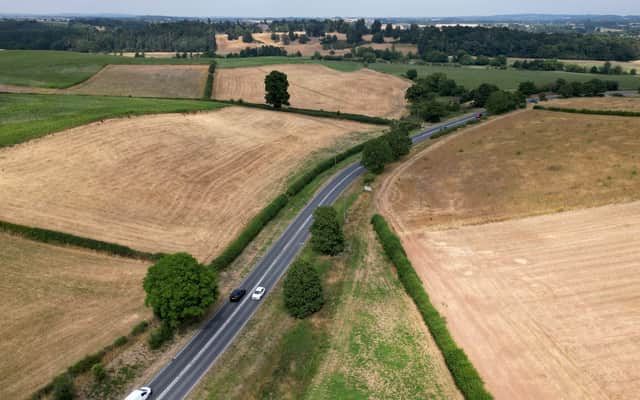
Drone footage and images show dried out land across the region - so how close are we to drought status?
Dried-out land, falling reservoir levels and emergency fish rescue operations in the West Midlands have followed another long period of hot weather.
For 12 consecutive days, we’ve been experiencing the third heatwave of the year and with rain not set to fall for five more days, the situation is looking bleak.
Not only does the scorching weather bring dried-out land, it is causing reservoirs and river flows to drop below optimal levels.
The Environment Agency has been monitoring the River Severn to ensure it remains at a safe level; it provides drinking water for more than six million people and is crucial to surrounding wildlife.
Now, fresh drone footage from Express & Star chief photographer Tim Thursfield shows the state of the region.
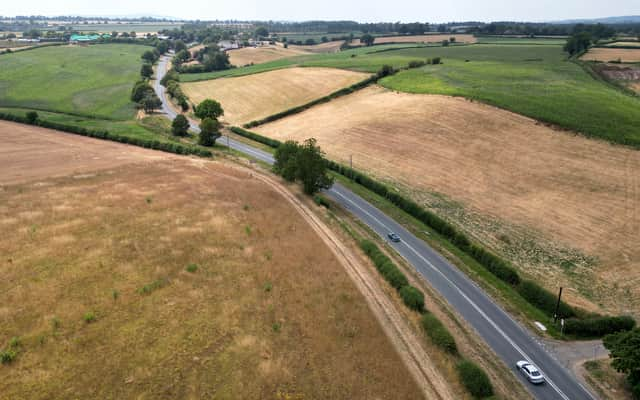

So how close are we to drought status?
Environmental experts say we are edging close to drought in the West Midlands.
Fish are being rescued from parched Shropshire rivers, reservoir levels have dropped across the UK and dried-out yellow ground can be seen across the region - with experts now saying we are on the brink of drought status.
The next rainfall isn’t expected to arrive in the West Midlands until Sunday (July 26), according to the Met Office.
So what is drought and when were we last in it?
A drought is an extended period of abnormally dry weather that brings with it a significant shortage of water. Typically, it is caused by prolonged deficiency of rain and high temperatures which leads to dry soil, reduced streamflows and depleting groundwater levels.
Devastating consequences come hand in hand with droughts as they build over a long period of time and can last for weeks, months, or even years - including, but not limited to, widespread water shortages, increased wildfire risks and severe damage to local economies and ecosystems. Droughts must be monitored closely by official bodies to manage water resources effectively.
The last time the Environment Agency declared drought status for the West Midlands and East Midlands was July 15 last year, following the driest spring in 132 years, with river flows in the regions at their lowest levels for June since 1976.
The East and West Midlands, once again, are edging closer to drought status according to environmental experts from the National Drought Group.
The organisation announced that parts of the country are deemed to be in the “prolonged dry weather” category which is known as the stage before drought status is announced.
This “prolonged dry weather” status has been declared in the West Midlands, as well as other parts of southern, central, and eastern England.
Fish in trouble
Fish rescue operations have been launched on the River Teme in south Shropshire where conditions have become unsuitable for fish to survive.
Members of the public can report ‘fish in distress’ to the Environment Agency hotline on 0800 80 70 60.
Stretching over 350km, the River Severn is one of the UK’s longest and most important rivers, providing drinking water for around six million people and supporting internationally important wildlife and habitats.
During the last few weeks of scorching weather, the Environment Agency has been continuously monitoring river flows to take measures to ensure water needs are met.
If water levels drop too low, the river can be ‘topped up’ by releases of water from two reservoirs in Wales or the Shropshire Groundwater Scheme (SGS).
Currently contributing around 200 million litres a day to the River Severn, the SGS uses groundwater stored in a sandstone aquifer beneath north Shropshire, which is transferred through a massive network of 53km of underground pipelines.
At its full capacity, the scheme can release up to 240 million litres of water a day, equivalent to almost 100 Olympic-sized swimming pools.
The Environment Agency is also aware of the impact the low levels have on local wildlife.
Matthew Lawrence, manager for the Environment Agency in the West Midlands, said that the River Severn may look like it has “healthy summer flows” but it is purely down to the work being carried out “behind the scenes”.
He said the agency is working hard to “maintain river levels for people and wildlife” and will continue to “monitor the conditions closely and will not hesitate to use [their] regulatory powers to mitigate the impacts of dry weather on the environment, water supplies and other sectors”.
For a detailed breakdown of water storage levels across all reservoirs operated by Severn Trent, visit the Severn Trent Reservoir Levels web page.
Comment Guidelines
Iconic Media encourages reader discussion on our stories. User feedback, insights and back-and-forth exchanges add a rich layer of context to reporting. Please review our Community Guidelines before commenting.