Where are the new railway stations in the West Midlands? We look at where the stations are, which lines they serve and when people could travel from them
The region is set to gain a group of new railway stations, including two set right in the heart of the Black Country, in the new year.
Construction has been completed on the new railway stations, which will serve a line in Birmingham and another which passes through the Black Country between Wolverhampton and Walsall.
The new stations are part of plans to improve transport links in the areas and support major regeneration developments currently taking place there, as well as offer more stops for rail travellers.
We've taken a look at the work done, where the stations are, how much it has cost and when passengers may be able to travel from them.
What stations have been built?
The new stations include three stations on the Camp Hill line at Kings Heath, Moseley and Pineapple Road, as well as two in Walsall at Willenhall and Darlaston, and are part of the West Midlands Railway network.
Once open to the public, it will mean passenger services returning to the Camp Hill line for the first time since the early 1940s.
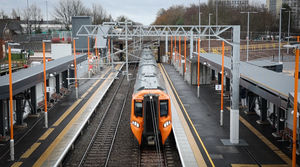
The reopening of Willenhall and Darlaston will end a 60-year wait for services to return after they ended in 1965.
What stations will the new stations connect to?
The plans for the three new Birmingham stations would see services begin at Birmingham New Street and terminate at Kings Norton.
At present, it is not clear what the plans are for Willenhall and Darlaston as, earlier this year, it had emerged services calling at Willenhall and Darlaston might not go on to Walsall’s main station in the town centre, a proposal which Walsall Council deputy leader Adrian Andrew described as ‘bonkers’.
No final decision has been made on timetables and Mayor of the West Midlands Richard Parker said he was in dialogue with the Department for Transport (DfT) about the issue.