
'They were made to feel guilty - we need to change that': Metal artist Luke Perry appeals for help with new project celebrating unsung Black Country heroes
Black Country metal artist Luke Perry unveils a new project to celebrate the unsung local heroes of the First and Second World Wars.

Luke Perry, the Black Country metal artist behind sculptures such as The NHS Dandelion, in Moseley Hall Hospital, and the Froglife scultpure in Reedswood Park, Walsall is back again appealing for help for his latest project.
The project, dubbed 'Fighting from Home', aims to showcase the vital role of the Black Country's reserved occupations, such as miners, chain makers, schoolteachers and rail workers, who were exempt from fighting in both World Wars, due to the national importance of their career.
The metal artist said that this project is particularly poignant for himself after he talked with a family at a war memorial about the role of reserved occupation workers and the survivor guilt they felt post-war.
Announcing the upcoming project, Luke Perry, 41, said: "During both World Wars, many of the men were sent abroad to fight, but there was also a huge amount of men who worked in reserved occupation roles such as the agricultural, engineering and manufacturing sectors.
"These men, who were miners, teachers, and policemen, were deemed vitally important to keeping Britain functioning during the war. Sadly a lot of those men are dead now and they rarely talked about their role, but when they did, it was in a sort of melancholic way, they were almost guilty or embarrassed for not being in a front-line role. It really touched me."
Anchor and chain
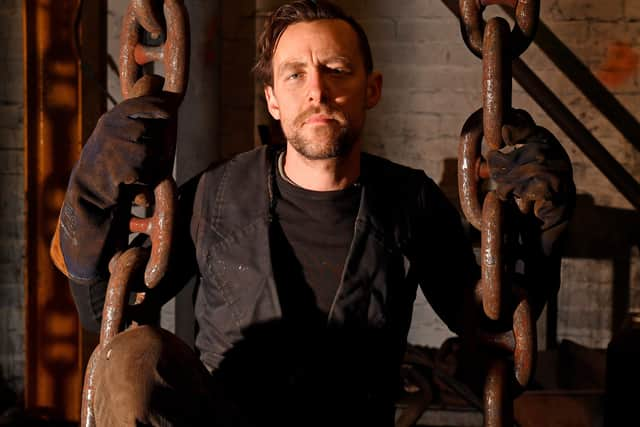

The sculpture will feature an anchor and chain, which symbolises the Black Country's role in chain making during the 19th and 20th century, which was donated by Solid Swivel Co Ltd and would have cost around £200,000 to commission.
Luke said: "The design so far will feature a chain and anchor which celebrates the role our region played in the chainmaking industry.
"A lot of men who stayed at home during the wars were often called cowards and were given white feathers, which symbolised cowardice or pacifism - but these men played a hugely vital role in producing items for the war effort and keeping Britain functioning all while their homes, streets and houses were being bombed and destroyed. They weren't cowards."
Luke also received a grant from the Arts Council England to help commission the piece.
Appeal
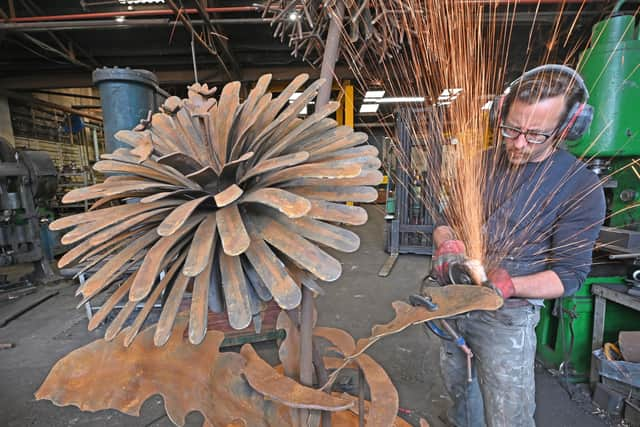
The metal artist is now looking for people to share the stories of their family members and loved ones who remained at home during the war as a reserved occupation.
"While in many ways there is now a wonderful amount of recognition for those who stayed at home, there is still that idea in people's heads that these men should have been fighting in frontline roles.
"I really want to try to collect memories, names and stories from those whose loved ones were in these types of roles that exempt them from fighting in the World Wars and help share the importance of what they did to keep Britain Fighting from Home."
If you have a loved one who worked in a reserved occupation during the First or Second World War, get in touch with Luke via his email at [email protected].
Comment Guidelines
Iconic Media encourages reader discussion on our stories. User feedback, insights and back-and-forth exchanges add a rich layer of context to reporting. Please review our Community Guidelines before commenting.