Talking to yourself? Here’s the science behind that little voice in your head
Talking to yourself in your head and speaking out loud share the same brain mechanism.

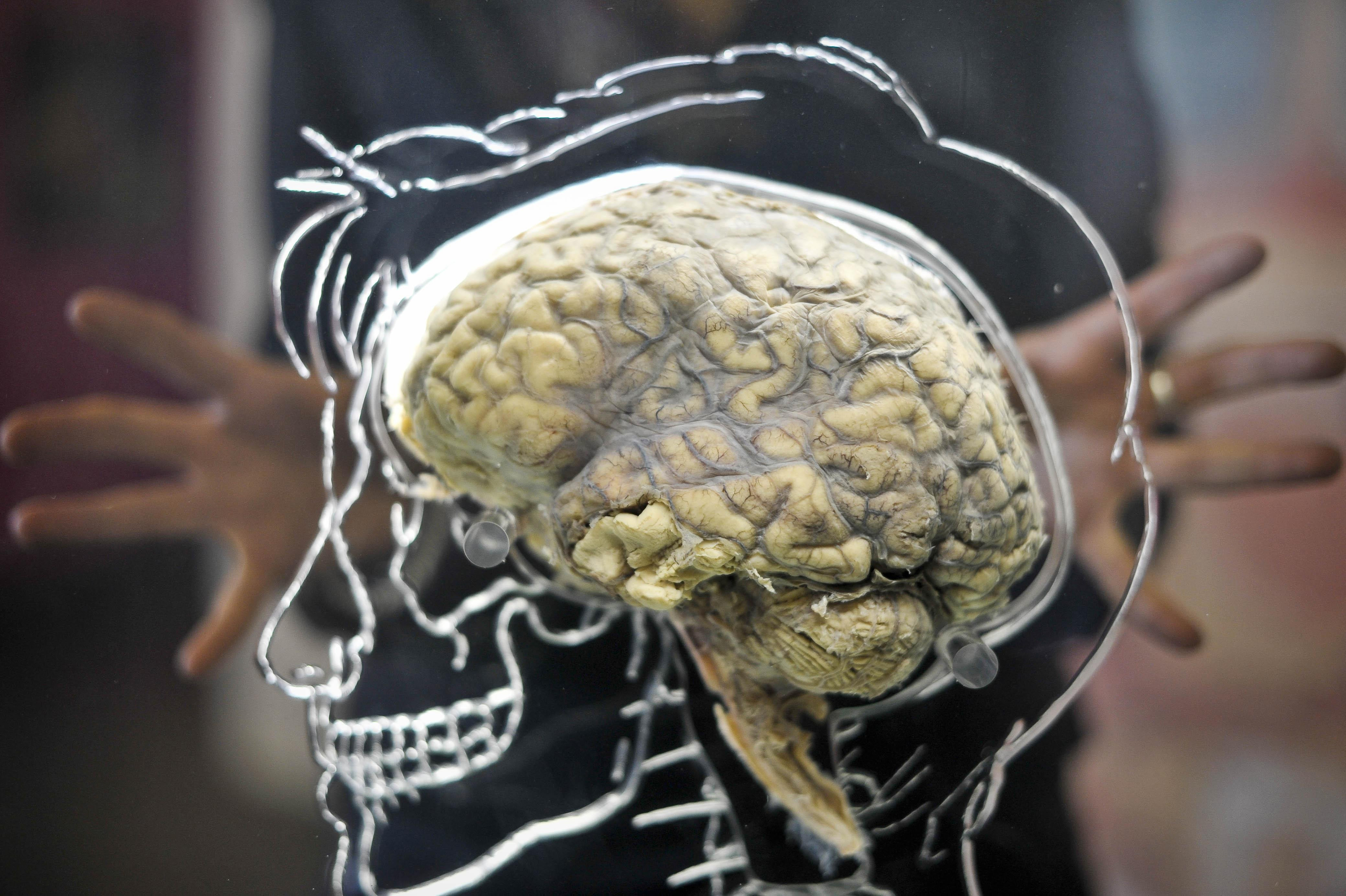
The brain considers talking to ourselves in our heads to be very similar to speaking our thoughts out loud.
And the discovery could provide an insight into mental illnesses such as schizophrenia, new research suggests.
Scientists have long believed that psychotic conditions, which often involve auditory-verbal hallucinations, come from abnormalities in what psychologists call the “inner speech”, ie the soundless conversations we hold with ourselves.
It is believed that when we vocalise our thoughts, the brain stores the instructions sent to our lips, mouth and vocal cords. This process is known as an efference-copy.
Efference-copy allows the brain to discriminate between the sounds that we have produced ourselves and the sounds that are produced by other people.
It also applies to the sense of touch – which is why self-tickling doesn’t work.
“This is why we can’t tickle ourselves. When I rub the sole of my foot, my brain predicts the sensation I will feel and doesn’t respond strongly to it.
“But if someone else rubs my sole unexpectedly, the exact same sensation will be unpredicted.
“The brain’s response will be much larger and creates a ticklish feeling.”
The team wanted to find out whether the brain creates a similar efference-copy during silent dialogue as observed in vocalised speech.

In other words, the results showed inner speech and speaking out loud share similar brain mechanisms.
Prof Whitford said: “By providing a way to directly and precisely measure the effect of inner speech on the brain, this research opens the door to understanding how inner speech might be different in people with psychotic illnesses such as schizophrenia.
“We all hear voices in our heads. Perhaps the problem arises when our brain is unable to tell that we are the ones producing them.”
The research is published in the journal eLIFE.