Lloyds Bank is moving out of its landmark Wolverhampton home - but did you know its first branch was in the Black Country?
It will be the end of an era this autumn when Lloyds Bank moves out of its imposing Italianate building in Wolverhampton's Queen Square, after 146 years.
The bank will still be represented in the city, with a smaller branch in the Mander Centre. But did you know that Lloyds' first ever branch was in the Black Country?
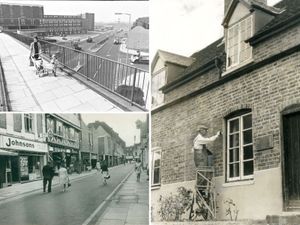
To most locals, the shabby building in Unity Place, Oldbury, is probably best remembered as the old Subway, its peeling green paint a tell-tale sign of its recent use as a sandwich bar. But this scruffy-looking building played a hugely important role in shaping the world of modern financial services – it was the first branch of Lloyds Bank.
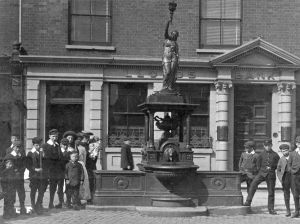
While the Black Country and Shropshire's role as the birthplace of the Industrial Revolution is well known, the area's importance in the banking revolution which took place at the same time gets far less attention. Britain's biggest high-street banking group owes its origins not to the Square Mile, but to a Quaker industrialist whose father had fled persecution in his native Wales to make a living in the quieter climes of the West Midlands.
Today, Lloyds Banking Group employs 65,000 people, and has 30 million customers. But it had already been trading for more than 100 years as a modest family business before it opened its first walk-in branch just off Birmingham Road in Oldbury town centre.
The story began in Welshpool, where Sampson Lloyd Snr was born in 1664 in difficult circumstances. His parents, Charles and Elizabeth, had been detained for refusing to swear an allegiance to King Charles II. It is not certain where Sampson was born – the majority of reports say at Welshpool Gaol, where his parents served eight years, but others suggest they might have been under house arrest – but either way, he would have spent much of his childhood in custody.
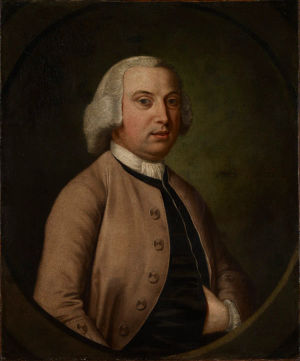
A little respite came with the 1672 Declaration of Indulgence, which saw Quakers freed from prison, but not a great deal. They might no longer have been incarcerated for their beliefs, but they were still despised and persecuted. Sampson's father, who was a descendant of the Welsh royal family, decided it was time to leave behind the hostility he faced in his homeland, and to make a new life in England.
However, the Five-Mile Act, introduced to restrict the influence of the Quakers, prevented any non-conformist clergymen from living within five miles of a corporate borough. That ruled out the major centres of the Black Country, but Birmingham, still a sleepy backwater yet to be granted borough status, was also beginning to emerge as a manufacturing centre in its own right. Just like the Quaker Cadbury family, the Lloyds decided that the future second city was ideally located to benefit from the Industrial Revolution which was about to explode just up the road, but was still small enough for them to live a peaceful life free from interference.