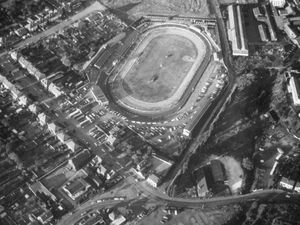
Seven ancient West Midlands towns and cities named in the Domesday Book and still thriving today
We take a look at seven towns and cities from across the West Midlands which have history and heritage going back to the Norman era and the days of William the Conqueror.
The Domesday book is a manuscript record of the Great Survey of much of England and parts of Wales, completed in 1086 at the behest of the king William I, otherwise known as William the Conqueror.
It has been seen as a precursor to the modern census and its main purpose was to record the annual value of every piece of landed property to its lord, and the resources in land, labour force, and livestock from which the value derived.
It was also seen as the first real survey of who, what and where places were in the country, with seven modern-day town and cities listed in the region named in the book as Stadfordscire, now known as Staffordshire, and Wircestrescire, now known as Worcestershire.
These towns and cities have grown from the small dwellings and villages listed in 1086 to the large population centres they are now, and we've picked out nine which are still thriving today:
1) Dudley
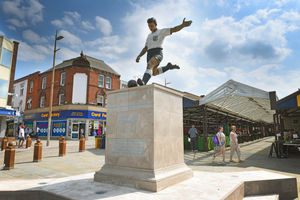
Dudley was named as Dudelei, a settlement in the Domesday Book, in the hundred of Clent and the county of Worcestershire and had a recorded population of 16 households in 1086.
This included three villagers, 10 smallholders two slaves and one smiths and land and resources were recorded as one lord's plough team, 10 men's plough teams and two Woodland leagues.
In the 2021 Census, the town had an estimated population of 323,500 and is the home of the Black Country Living Museum, Dudley Zoo & Castle, Wrens Nest Nature Reserve, as well as one of the early centres of the industrial revolution.
2) Cannock
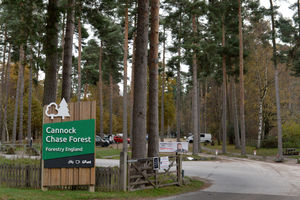
Cannock was named as Chenet, a settlement in the Domesday Book, in the hundred of Cuttlestone and the county of Staffordshire and had a recorded population of 14 households in 1086, and listed under two owners in Domesday Book.
This included eight villagers and three smallholders and land and resources were recorded as 15 ploughlands, three men's plough teams and a listing which says Woodland 6 * 4 leagues.
In the 2021 Census, the town was part of the greater area of Cannock Chase and had an estimated population of 100,500, with the area famed as an area of outstanding natural beauty and having also been a venue for the 2022 Commonwealth Games and a popular venue for concerts.
3) Penkridge
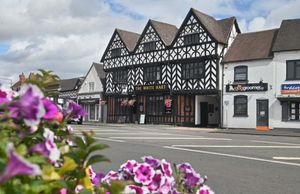
Penkridge was a settlement in the Domesday Book, in the hundred of Cuttlestone and the county of Staffordshire and had a recorded population of 18 households in 1086, and listed under 2 owners in Domesday Book.
The town, which has the same name now as it did in 1086, included 18 villagers, 14 smallholders, two slaves and one thanes and land and resources recorded as 17 ploughlands, four lord's plough teams, eight men's plough teams and had resources listed as Meadow 34 acres, Woodland 1.5 * 4 mixed measures and one mill with a value of five shillings.
In the 2021 Census, the parish of Penkridge had a population of 9,142 and is a village with plenty of history to it, a thriving market and several pubs and restaurants offering high quality food and drink.
4) Oldbury
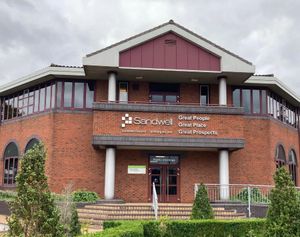
Oldbury was named as Ealdenbyrig, a settlement in the Domesday Book, in the hundred of Alnodestreu and the county of Shropshire and had a recorded population of 13 households in 1086.
This included one smallholder, two cottagers, seven slaves and three Frenchmen and land and resources recorded as five ploughlands, one lord's plough team, two men's plough teams, with one mill with a value of two shillings.
In the 2021 Census, the town had an estimated population of 54,929 and is the home of Sandwell Council, as well as being a centre for sporting events and the annual Remembrance parade.
5) Kidderminster
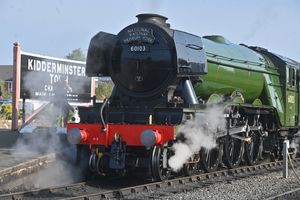
Kidderminster was named as Chideminstre, a settlement in the Domesday Book, in the hundred of Cresslow and the county of Worcestershire and had a recorded population of 3.9 households in 1086, putting it in the smallest 20 per cent of settlements recorded in Domesday.
This included 21 villagers, 38 smallholders, four slaves and four female slaves and land and resources recorded as 45.5 ploughlands, three lord's plough teams and 22.5 men's plough teams.
In the 2021 Census, the town had an estimated population of 57,400 and is a main centre for carpet making, as well as a popular football team in Kidderminster Harriers and is a starting station for the Severn Valley Railway.
6) Lichfield
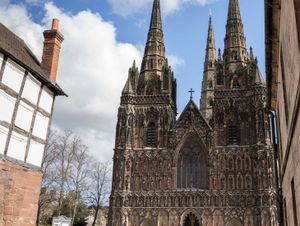
Lichfield was named as Lichfield or Lyccidfeld, a settlement in the Domesday Book, in the hundred of Offlow and the county of Staffordshire and had a recorded population of 9.9 households in 1086, putting it in the smallest 40 per cent of settlements recorded in Domesday.
This included 42 villagers, 12 smallholders, 10 slaves and five priests and land and resources recorded as 78 ploughlands, 10 lord's plough teams and 24 men's plough teams.
In the 2021 Census, the city had an estimated population of 106,400 and holds the seat of the Diocese of Lichfield at Lichfield Cathedral, as well as being a busy market city.
7) Wolverhampton
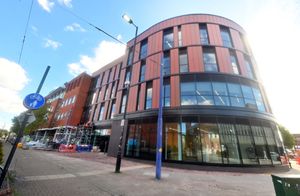
Wolverhampton was named as Heantun or Hanton, a settlement in the Domesday Book, in the hundred of Seisdon and the county of Staffordshire and had a recorded population of 50 households in 1086, putting it in the largest 20 per cent of settlements recorded in Domesday.
This included six villagers, 30 smallholders and 14 slaves and land and resources recorded as three ploughlands, 10 lord's plough teams and nine men's plough teams.
In the 2021 Census, the city had an estimated population of 263,700 and is the home of Wolverhampton Wanderers, as well as having college and university campuses in the centre and being a centre for events such as Miss England and gigs at the Civic Hall.