
We discovered the real strength of the British Royal Artillery in Wolverhampton and left feeling so proud of our armed forces

The British Army has hosted a hands-on experience with the iconic Royal Artillery in Wolverhampton - and we got to pay them a visit.
Playing a game of army men in school was always fun in my day.
We even staged mini wars, running around fields with sticks as guns and pine cones as grenades.
I even thought about donning a beret and joining the armed forces for king and country at one pont.
So, when the Royal Artillery (RA) announced a free-to-enter public meet-and-greet event on Saturday, I had to visit, because at the end of the day - who is more impressive than the iconic Royal Artillery?
Hosted at the 4th Battalion Mercian Regiment barracks at Wolseley House, Wolverhampton, the grounds were filled with the biggest cannons, vehicles and reconnaissance drones our eyes could imagine.
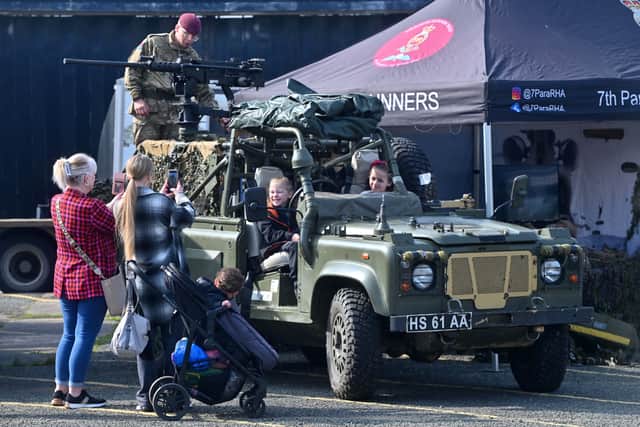

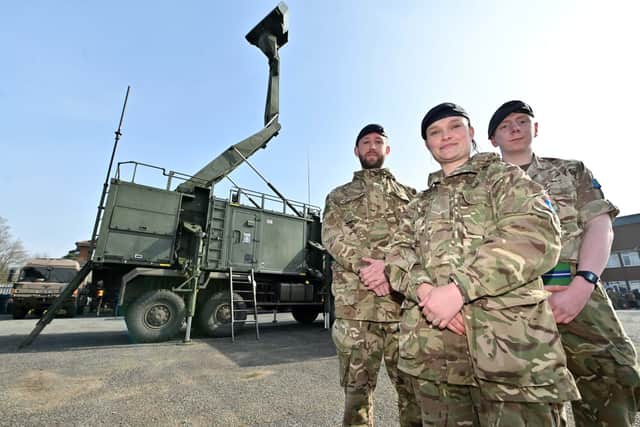
On the surface, the idea that many get when we say 'Royal Artillery' is big cannons launching high explosive shells over long distances, but what I found most fascinating during my visit is that the RA is so much more than that.
The Royal Artillery team is a peak multifaceted mission-critical force that, in reality, provides an equal mixture of surveillance, support, and firepower across the battlefield.
As we entered the barracks, we were flanked by a wide range of impressive equipment and the expert soldiers who operated them.
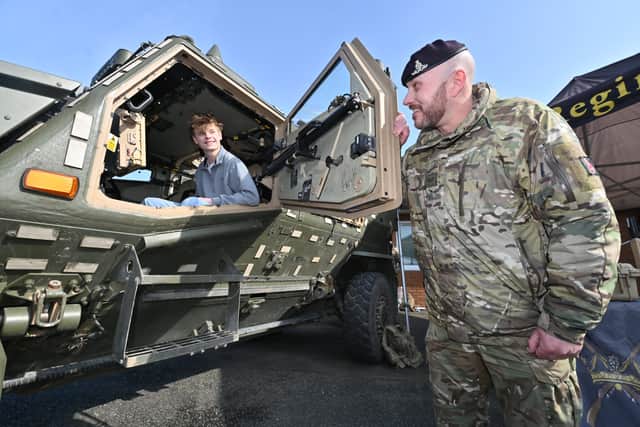
While all of the equipment on show was impressive, none was quite as awe-inspiring as the 37-tonne, 6x6 mobile howitzer named the 'Archer', which sat in the centre of the barracks.
Children and adults alike stopped in their tracks when they saw it, their jaws dropping to the floor, and dozens were drawn into conversations with those who made it work.
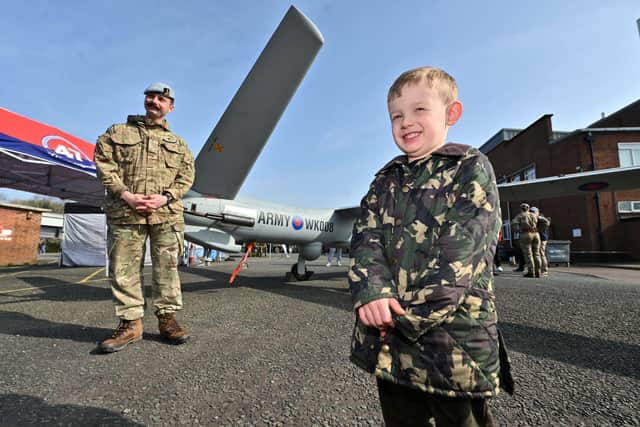
Looking at it, it was easy to see that Archer isn't just a big cannon; it's a finely tuned machine that can sling shells across great distances, hitting targets with pinpoint precision before dashing from the scene in mere seconds.
But it wasn't just all about big guns. During the visit, we also managed to get a hands-on look at the 'Sky Sabre' ground-based air defence system, a hulking mobile radar system that can accurately intercept a tennis ball-sized target that is moving at the speed of sound.
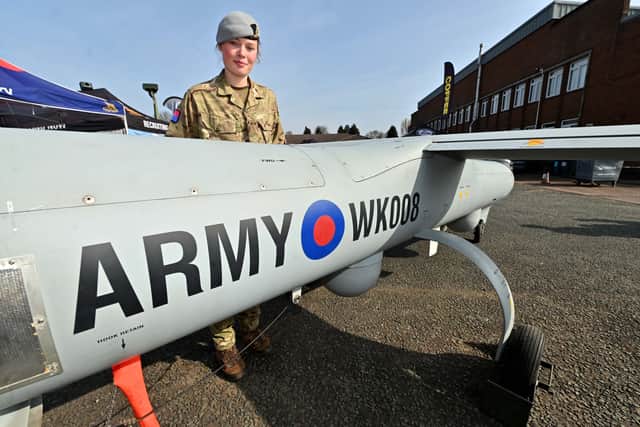
Like Archer, this was described by those who operated it as a critical part of ground support operations, and gives troops on the ground quick-time information on incoming dangers, as well as launching a payload of its own.
As a Walsallian and avid Saddlers fan, one role that I got particularly involved in was The King's Troop Royal Horse Artillery.
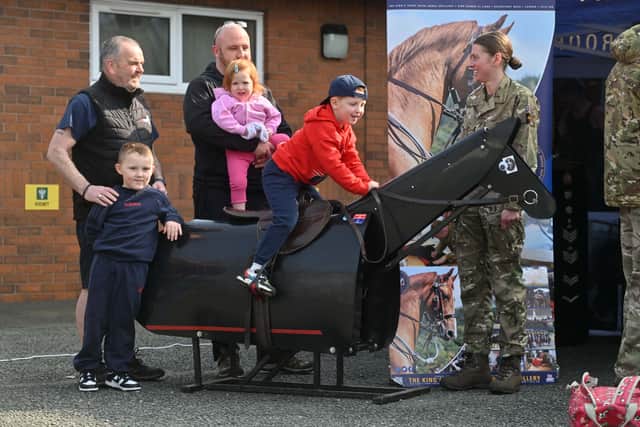
This unit is known as the King's Mounted Ceremonial Battery, and has the role of firing Royal Salutes to mark grand occasions of State, including at the King's Birthday Parade, Royal Birthdays, and Births.
What's more, they are also self-sufficient, maintaining their horses, creating saddles (a trade that is part of Walsall's pride), and employing dozens of experienced farriers, saddle makers, and tailors.
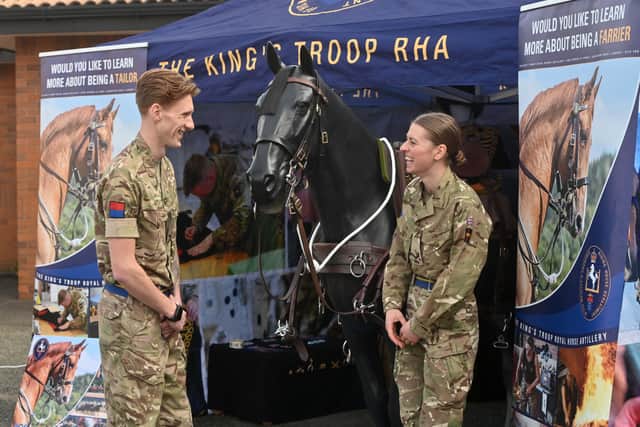
Paul Newton, of the King's Troop Royal Horse Artillery, aged 26, said: "I joined at the age of 16 in the Royal Corps of Electrical Mechanical Engineers. I ended up not liking it, so I left and then ended up coming back.
"I always had a passion for horses, so it was a prime position. The opportunities that this gives you, from apprenticeships and degrees, are a great opportunity to learn different things."
Joanna Waddington, also from the Royal Horse Artillery, added: "I'd actually never ridden a horse before.
"Someone told me about the Royal Artillery and the King's Troop. It was really good for me, I'm fully qualified, and one of my other colleagues joined without any qualifications, but she's got five GCSE's now."
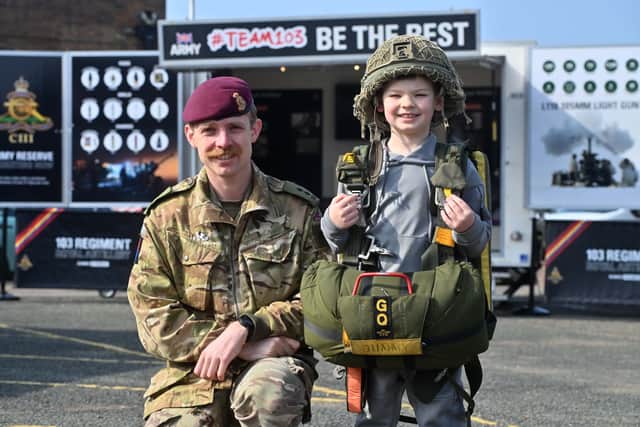
What's amazing is that each unit was full of trained experts from a broad range of backgrounds, abilities, and walks of life, with many of them entering the service with no degrees, but leaving fully qualified.
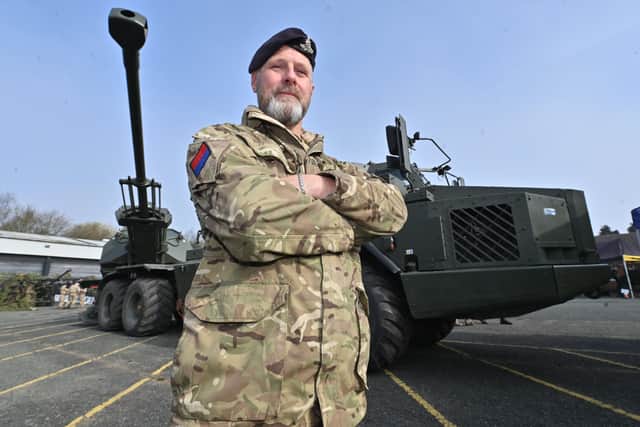
Troop Sargeant Major, Richard Chance, from Wolverhampton, joined 210 battery (Wolverhampton), as a reserve, he said: "I always wanted to be in the regulars, but I chose to do the next best thing, join the reserves.
"There are multiple things you can do, you can do tours, operations.
"You can commit as much time as you want, you can go to Cyprus, Kenya, and do all the same qualifications as the regulars, and even better, you get paid for it. It's great."
In all, the event was an amazing look at both the inner workings of our armed forces, the men and women beyond the uniform, and the equipment that makes them one of the most efficient forces in the world.