Health Experts Working in Collaboration with African University around Covid Prevention
Public health experts from Wolverhampton and Zimbabwe are working in collaboration to prevent Covid-19 infections in vulnerable communities in the African country.
Award-winning University of Wolverhampton researcher Dr Moses Murandu launched the prevention programme in March 2020 with Dr Julita Chideme-Maradzika, from the University of Zimbabwe.
They formed the "Covid-19 Transformative Public Health Education" team in Zimbabwe, with their purpose being to provide education, support and guidance to people in areas that may otherwise struggle to protect themselves from the virus.
The communities they are working with are Mandebvu and Epworth, areas particularly vulnerable to the spread of the infection due to people living in overcrowded conditions, making it difficult to adopt social distancing, as well as having limited access to clean water and little access to public health education.
The team would translate key messages into Shona – the Bantu language of the Shona people of Zimbabwe – about the definition, symptoms, prevention and management of the virus, as well as highlighting the importance of isolation, social distancing, nutrition, cleanliness, and face masks.
Dr Murandu, senior lecturer in adult nursing and researcher in the faculty of education, health and wellbeing at the University of Wolverhampton, said: "There has been a strong bond of collaboration between the universities to work as a team to protect those who need it most.
"By working together, we were able to meet the needs of the community, raise awareness and reduce the spread of the virus.

“We were also able to develop a health centre which is a fantastic outcome of the programme and will greatly benefit the community moving forwards.”
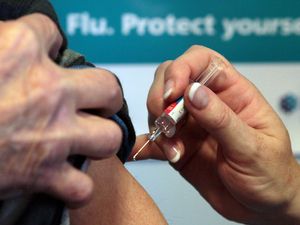
The team would also host road shows around the communities using a mobile van, enabling them to share this vital information and to give them the opportunity to access vaccinations and vital prevention services.
And now people in the area have the education they need to protect themselves and their loved ones with the help of an information point, built by the members of the community.
Dr Julita Chideme-Maradzika, lecturer of health sciences at the University of Zimbabwe, said: "I really enjoyed working with the village health workers.
“We used drama, role-plays and group discussions to explain social distancing, sanitising, and the importance of using face masks.
“Having the expertise across all groups was crucial for a successful programme and to protect our most vulnerable communities."