
Heartwarming photos capture Shropshire’s first beaver family in 400 years


‘This has certainly been on my bucket list’
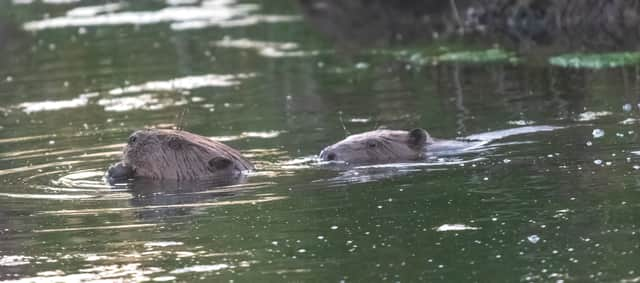
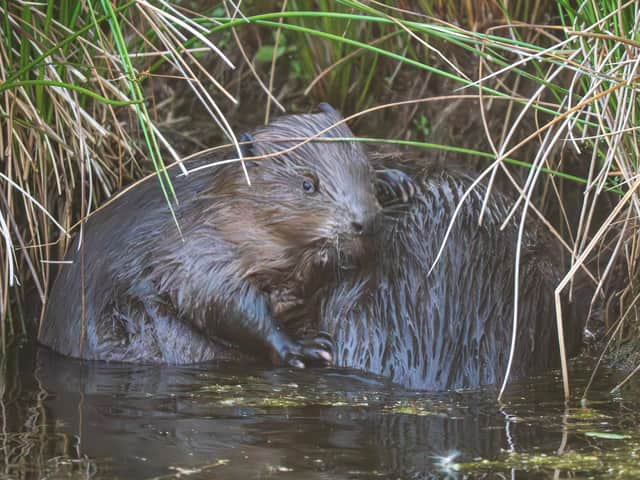
Heartwarming photos show how wild beavers have successfully bred after being reintroduced back into an English county for the first time in 400 years.
A pair of beavers were released into a 15 acre enclosure along the River Clun at the head of the Clun Valley in the Shropshire Hills back in February last year.
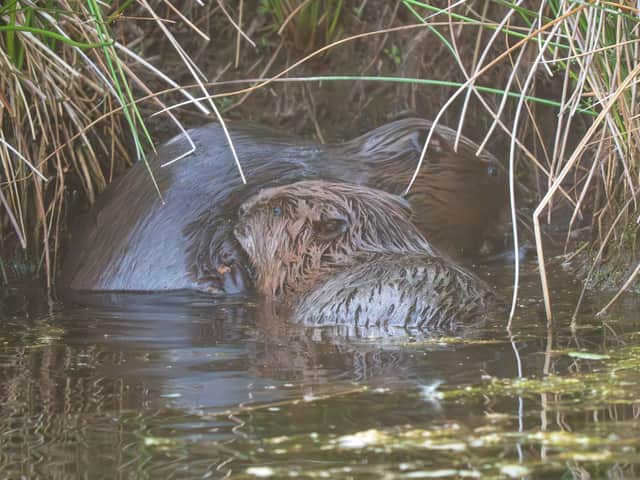
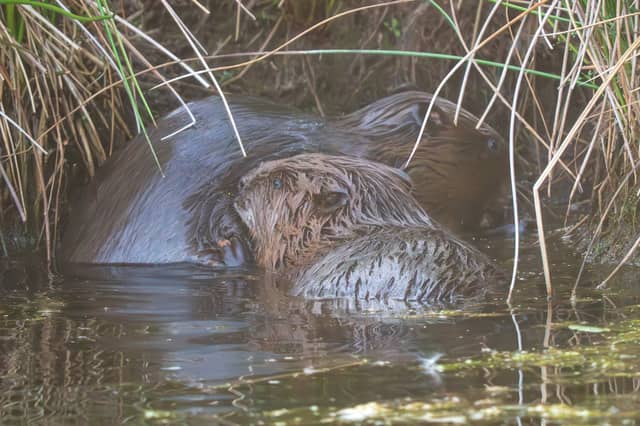
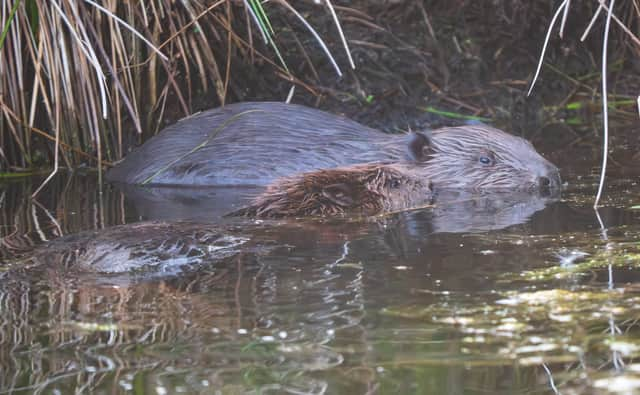
Wildlife photographer Andrew Fusek-Peters has now managed to capture the proud parents with their new kits along the waterway in a series of incredible up-close snaps.
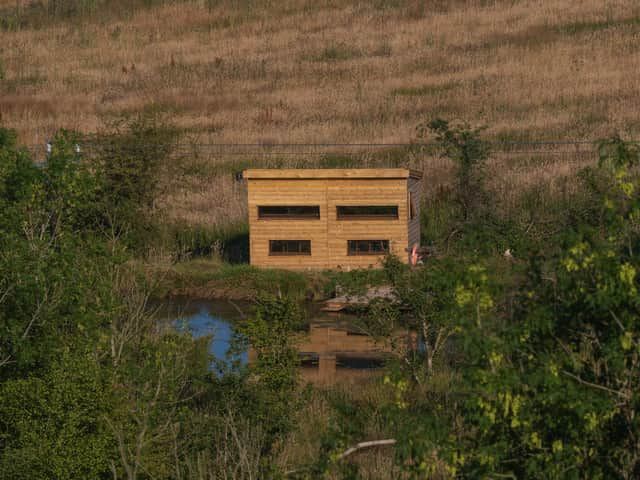
Andrew was part of a team which helped build a specialist new hide along the waterway, which allows the public the rare chance to observe beavers in the wild as most similar sites across Britain are kept private.
Andrew, of Lydbury North, Shrops., said: "In the past few weeks I have finally been able to get into the hide and discovered the beavers have not only settled but had either one or two kits.
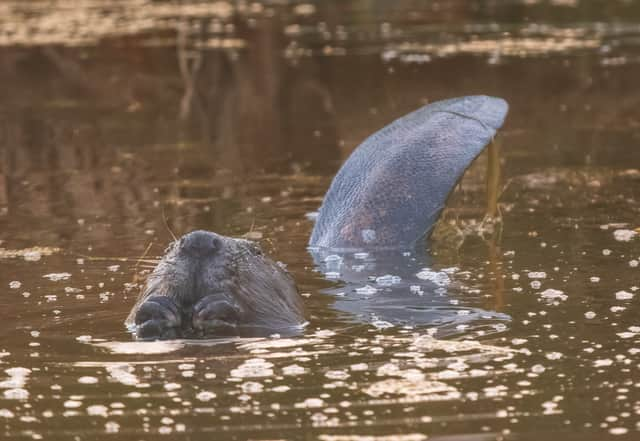
"I was able to capture lots of cute pictures of the beavers and kit enjoying the pool in front of their hide - I have never photographed beavers before and this has certainly been on my bucket list.
"The hide is specially built with one way glass so visitors stay invisible to the beavers.
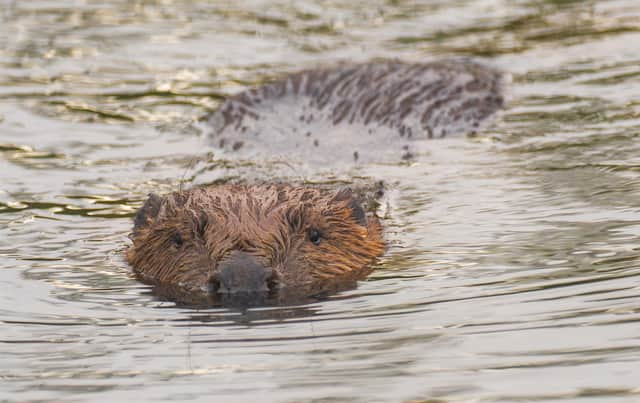
"Most beaver sites are private so this is a chance to really see something extraordinary and they’re gorgeous too.
"It was amazing to capture these animals which are so important to our river eco-systems."
The Severn Rivers Trust, the Environment Agency, Shropshire Wildlife Trust, and the Shropshire Hills National Landscape Team worked in collaboration with landowner Trevor Wheeler to release the beavers last year.
This reintroduction aims to restore natural processes in the uplands, benefiting local wildlife, improving water quality, and helping to manage flood risk for communities downstream.
Joe Pimblett, CEO at Severn Rivers Trust, said: “If we’re serious about restoring nature in Britain, we need to start tackling issues at the source.
"The exceptional challenges facing our rivers – including declining water quality, increased flooding, and habitat loss – require fresh and bold approaches.
"By bringing beavers back to the uplands, we are working with nature to rebuild healthier and more resilient landscapes from the headwaters down.”
It follows another successful reintroduction into the same county earlier that year after two beavers were released along a section of the river near Shrewsbury.
Beavers are known as 'nature’s engineers', and are capable of transforming landscapes in ways that support a huge variety of species.
As they build dams and create wetlands, they naturally store water in the landscape, reduce the impact of flooding, and keep rivers flowing in dry spells.
They went extinct in Britain in the 16th century but were successfully reintroduced in Scotland in 2009, and there are now beaver colonies found across Britain.
Comment Guidelines
Iconic Media encourages reader discussion on our stories. User feedback, insights and back-and-forth exchanges add a rich layer of context to reporting. Please review our Community Guidelines before commenting.