
Staffordshire families urged to stay up-to-date on vaccines following national spike in measles cases - and what to do if you suspect your child has it
Families across Staffordshire are being urged to check their children’s vaccinations as measles cases rise across England and the West Midlands.
Figures the UK Health Security Agency (UKHSA), England recorded 96 measles cases between 1 January and 9 February 2026, with 79 of these occurring in just the four weeks since 12 January.
The West Midlands has accounted for over a quarter of the national figures with 25 laboratory-confirmed cases so far. The entirety of the West Midlands only saw 76 cases throughout the whole year in 2025.
Measles can lead to complications such as ear and chest infections, fits, diarrhoea and dehydration in younger children. On rare occasions, it can lead to serious problems including meningitis, blindness and hearing loss - and can even be fatal.
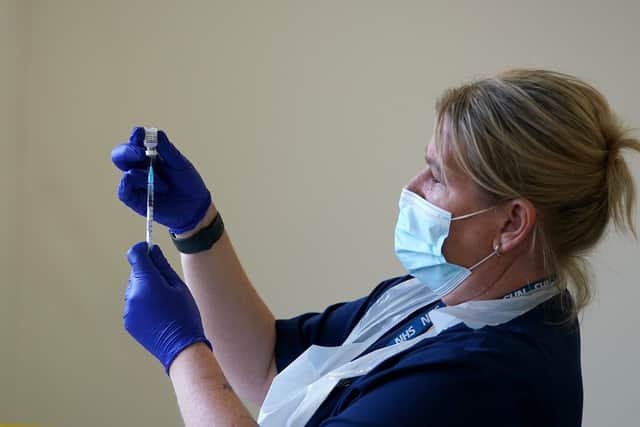
Now, the NHS Staffordshire and Stoke-on-Trent Integrated Care Board have issued a warning to families to ensure their children have up-to-date vaccinations for diseases like measles, mumps and rubella and chickenpox (varicella).
Dr Ash Banerjee, Public Health Consultant at NHS England in the Midlands, said: “With the new measles data, we want parents and carers to feel supported seeking advice about anything they’re unsure of, including the new MMRV vaccine, which extends protection to include measles, mumps, rubella and chickenpox (varicella).
“It’s never too late to get up to date on your MMR/MMRV or any other childhood vaccines, for the best protection. I encourage parents to check their child’s records and book a catch-up if needed. The vaccines are safe and effective, are quick and help protect your child, their classmates and the wider community.”
Matthew Missen, Consultant in Public Health for NHS Staffordshire and Stoke-on-Trent Integrated Care Board, said: “The increases in measles cases seen nationally is a concern as we know how easily it can spread among people who are not fully vaccinated. Measles can cause serious complications resulting in hospital admissions with pneumonia and meningitis, and can cause lasting harm, including blindness and hearing loss. Getting the MMRV vaccine for your child is the best way to prevent measles, mumps, rubella and chickenpox infections, and protect others.
“If you’re not sure whether your child is up to date, it is important to act by contacting your GP practice. Vaccination is free on the NHS to all eligible who have not had it.”
What are the symptoms of measles?
Measles usually starts with cold-like symptoms. Early signs can include:
- A high temperature
- A runny or blocked nose
- Sneezing
- A cough
- Red, sore, watery eyes
- A rash typically appears a few days later. It often begins around the ears before spreading to the face and the rest of the body.
Why can measles can be serious?

Although many children recover within a couple of weeks, measles can lead to complications. These include ear and chest infections, diarrhoea and dehydration. In rare cases, it can cause more serious problems such as meningitis, blindness and hearing loss.
Babies, pregnant women and people with weakened immune systems are at greater risk of complications.
Who is protected?
It is unlikely to be measles if someone has received both doses of the MMRV or MMR vaccine, or has had measles before. Vaccination remains the best protection against the disease.
What do I do if I suspect measles?
If you think your child may have measles:
- Ask for an urgent GP appointment or contact NHS 111.
- Call ahead before visiting a GP surgery or other healthcare setting so steps can be taken to avoid spreading the infection.
- Stay away from nursery, school, work or group activities for at least four days after the rash appears, or until you have spoken to a doctor.
Measles spreads easily through coughing and sneezing. The virus can stay in the air or on surfaces for up to two hours. Regular handwashing, good ventilation and avoiding sharing items such as cups, towels or bedding can help reduce the risk of passing it on.
For families who prefer vaccines without pork-derived ingredients, alternatives are available on request through your GP.