New genetic testing service launches in Walsall to speed up life-changing diagnoses for children
A new genetic testing service has been launched in Walsall, offering faster diagnoses for babies and children with severe genetic conditions that can have lifelong consequences.
The service, developed with Birmingham Children’s Hospital's clinical genetics team, will process DNA samples with a significantly quicker turnaround time than previously possible, helping clinicians reach diagnoses sooner and begin appropriate treatment earlier.
Dr Abdulhakim Abdurrazaq, consultant paediatrician with renal and neonatal interest at Walsall Healthcare NHS Trust, said the clinic aims to improve both access to and the success of whole genome sequencing.
Whole genome sequencing analyses changes in genes to rapidly determine a diagnosis. This can open the door to targeted treatments and, in some cases, a complete cure.
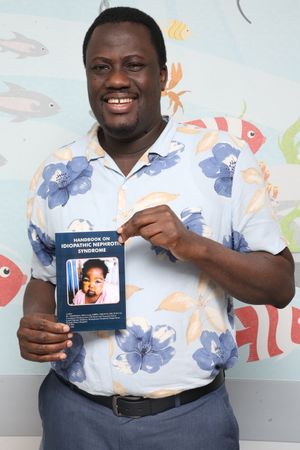
“Having this service at Walsall means we can achieve a much quicker turnaround time and improve patient satisfaction,” Dr Abdurrazaq said. “We have received wonderful feedback so far. What we advocate is high-quality care, timely investigations and results, using the resources currently available.”
He added that the new clinic model has already made a meaningful difference to families. One parent told the team: “Thanks to the clinic, after all these years of multiple investigations, we finally have an answer.”
Previously, families were required to attend multiple appointments across different services, often resulting in delays and fragmented care. The new one-stop clinic brings everything together in a single setting.
“Now, with everything done within one clinic, all forms are completed and blood samples taken in one place under the supervision of Dr Darwin Pauldhas and myself,” Dr Abdurrazaq said.
The service offers several benefits, including quicker and more accurate diagnoses, more informed treatment decisions, earlier interventions, and reassurance for families through negative results that can reduce anxiety and uncertainty.
The clinic is currently delivered on Ward 21 by paediatric registrar Mairrah Panhwar and physician associate Asya Begum.
Rare diseases affect a significant number of people across England. Around one in 17 individuals will develop a rare condition during their lifetime, with more than 80 per cent being genetic. Approximately three quarters of rare genetic disorders present in childhood and account for nearly a third of deaths in neonatal intensive care units.
Health leaders hope the new Walsall service will play a key role in improving outcomes for some of the most vulnerable patients.