Staffordshire councillors back policy protecting county farms from large-scale solar and battery sites
A new policy on the future of Staffordshire’s county farms – which opposes the use of land for large-scale solar farms and battery storage sites – has been backed by senior councillors.
The document also states that Staffordshire County Council will not promote any of the estate’s land holdings for future development through the statutory land use planning process.
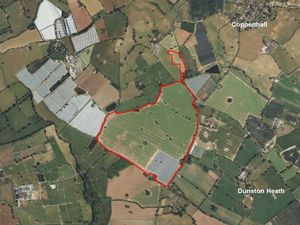
The promotion of two county farms in North Staffordshire for potential housing development in Newcastle Borough Council’s Local Plan has been questioned by councillors in recent weeks. But at the latest full county council meeting it was confirmed that the authority wrote to the borough council earlier this month to withdraw all land from the county farms estate from the Local Plan process.
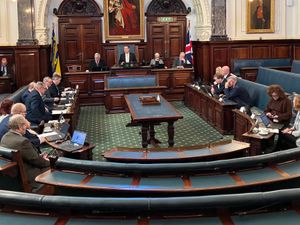
On Wednesday (March 18), the county council’s cabinet endorsed the new County Farms Policy Statement. Councillor Patrick Allen described it as a “brilliant policy and well thought-out”.
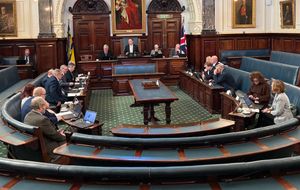
Acting council leader Martin Murray, who presented the report at Wednesday’s meeting, said: “This sets out our long-term vision for one of our county’s most valuable assets. We have made it clear that farming and Staffordshire’s rural economy is a priority.
“Staffordshire has one of the strongest and most respected farm estates in the country, covering around 6,500 acres and 63 equipped holdings, and it continues to play a vital role in supporting new entrants into farming, strengthening our rural economy and contributing to food security and the natural environment. The estate also continues to deliver excellent financial performance, generating over £734,000 of net income in the last financial year into the county council.
“The policy looks ahead to 2040; it reaffirms our commitment to maintaining a productive, commercially viable and forward-looking estate, while supporting innovation and diversification in farming. It sets out five core objectives: helping aspiring farmers enter the sector, supporting rural enterprise, enhancing biodiversity and natural capital, maximising the social and commercial value of the estate and ensuring strong and transparent governance.
“A key element of this policy is clarity about land use. This council will not promote county farmland for the planning process and we are absolutely committed to protecting farmland for farming.
“Similarly, the policy confirms that large-scale solar farms and battery storage schemes will not be supported on the estate. We will, however, encourage small scale renewable technologies on farm buildings where they are complementary to agriculture.
“In the most exceptional cases, we may consider disposing of incidental, non-core land or property, with the ability to reinvest subsequent receipts back into the estate. These are small plots of land, not connected with the county farms, and with the clear and unequivocal position that no productive county farmland will be put forward for housing development.”