
Bid to name boys, 12, who killed Shawn Seesahai to start: What can be said, current rules and what could happen
A two-day court hearing to name the boys who killed a 19-year-old in a park begins on Monday.
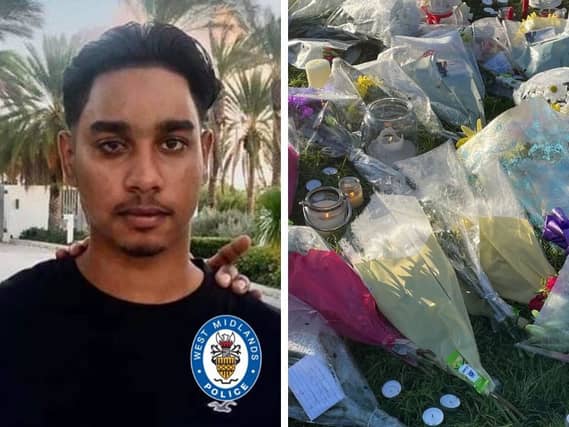


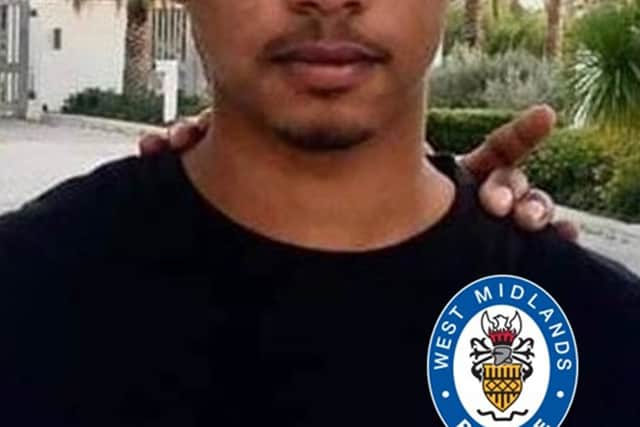
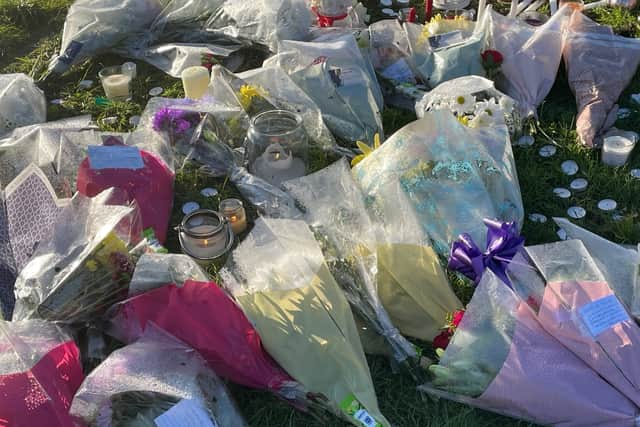
Defenceless Shawn Seesahai, described as a “loving and protective” young man, died at the hands of two 12-year-olds on playing fields at Stowlawn, in Bilston, on November 13 last year.
During the attack, Shawn's legs was slashed while a stab wound went through his back and ribs into his heart. He was struck so hard with a machete that a piece of bone came away from his skull.
After a month-long trial at Nottingham Crown Court, the two boys - who blamed each other for inflicting the fatal blow to his back - were found guilty of murder thanks to a unanimous verdict from the jury.
One of the defendants was also found guilty of possessing a machete. The other defendant had pleaded guilty to that offence ahead of the trial.
Jurors heard how Shawn was shoulder-barged by the smaller of the two defendants, who “often” carried a machete with a 42.5cm-long blade, before being punched, kicked, stamped on and “chopped” at with the weapon. The victim’s friend told the trial he was forced to run for his life but Mr Seesahai stumbled as he tried to flee from the boys.
Emergency services arrived to find the victim in a critical condition, but nothing could be done to save him and he was pronounced dead at the scene off Laburnum Road near East Park.
The verdict is thought to have made the boys the youngest knife murderers in the UK.
They're also believed to be the youngest defendants convicted of murder in Britain since Robert Thompson and Jon Venables, both aged 11, were found guilty in 1993 of killing two-year-old James Bulger.
Led by the Press Association, an application to name the two killers will be heard at Nottingham Crown Court this week.
Why aren't the killers named?
Children in court cases - who defined as anyone under the age of 18 - are often given anonymity. This can apply to a defendant, witness or victim under Section 45 of the Youth Justice and Criminal Evidence Act 1999 to ban any
These are not imposed automatically at adult magistrates or crown courts. Instead, magistrates or judges put them in place.
Officially, no reporting restrictions were in place when the boys first walked into Birmingham Magistrates' Court in November last year, four days after the killing, but the order was put in place.
The case was then immediately elevated to the crown court, where the order was upheld.
What can be said about the defendants?
Not a lot.
Section 45 says nothing should published which can identify those included in the order. As well as their names, that also includes their addresses, their school(s), photos, names of relatives, or any other unique details - such as a physical description - that could lead to readers working out who they are.
Describing them as two 12-year-olds is fine as there are thousands of boys that age.
Who will decide whether the boys can be identified?
The judge presiding over the case at Nottingham Crown Court.
They will hear arguments made on behalf of the Press Association, who has asked for permission to name the boys, as well as barristers representing the Crown Prosecution Service, and the boys.
When can the boys be named?
Anonymity under section 45 orders expire automatically when the persons concerned turn 18.
The only reason they may not would be is if the judge imposes a lifetime anonymity order, such as in the case of Venables and Thompson. Both have new identities, and it's illegal to reveal them.