
Call for disposable barbecue ban and fire-fighting planes after Stourbridge wildfire destroys 19 homes
Ministers have been warned that wildfires are part of a 'new reality' following a record-breaking summer of blazes that destroyed 19 homes in Stourbridge.
Specialist fire-fighting aircraft, bans on disposable barbecues and Australian-style public education campaigns must be introduced to counter the escalating danger of wildfires, a committee of MPs has demanded.
The call comes in the wake of the hottest summer on record in 2026, which saw emergency services across England and Wales tackle 1,132 wildfires up to August 16 — surpassing the entire total recorded throughout 2025.
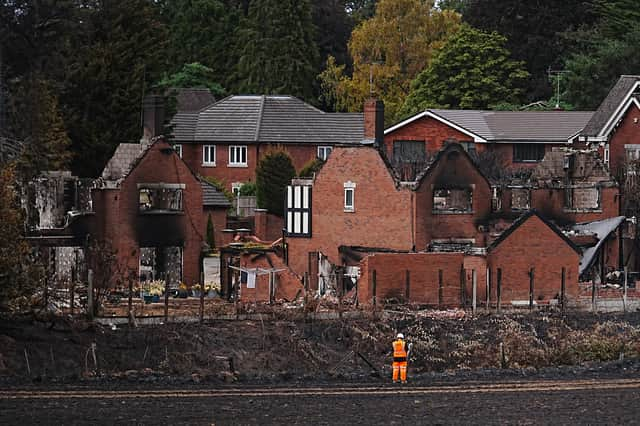
Among the most destructive incidents was a major fire in Stourbridge which destroyed 19 homes, as blazes also swept across Dunwich Heath, the New Forest, the Cairngorms in Scotland, the Rhinogydd mountains and South Wales, and the Mourne Mountains in Northern Ireland.
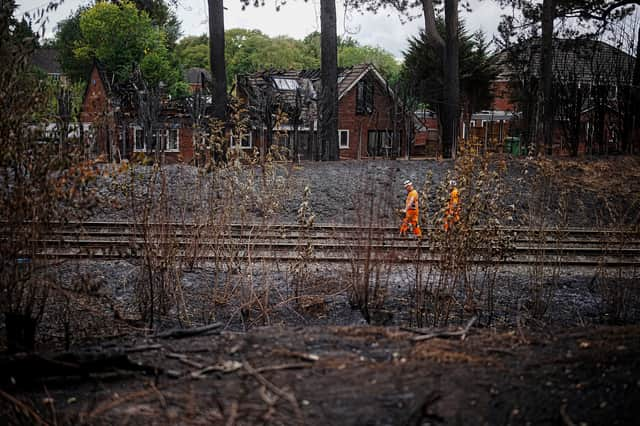

Following the crisis, the Environment, Food and Rural Affairs (Efra) Committee issued a stark warning that “wildfire is part of our new reality” and can no longer be treated as an exceptional event due to climate change.
With most incidents triggered by human actions — such as littering, leaving disposable barbecues and campfires unattended, and arson — committee chairman Alistair Carmichael stressed that “prevention is vital”.
Mr Carmichael said: “Britain needs a cultural shift that puts us in step with fire-savvy nations such as Australia.”
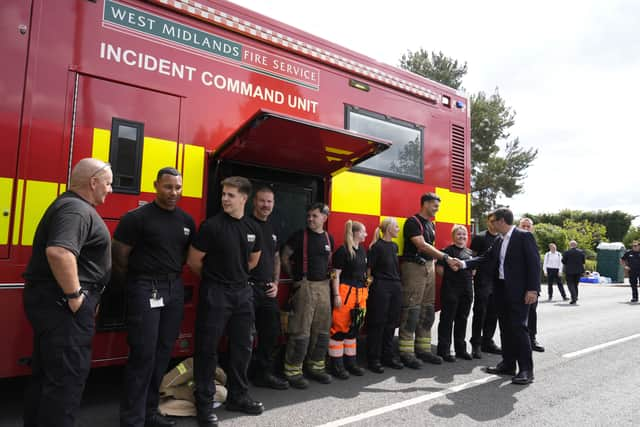
He called for public awareness drives and seasonal curbs on disposable barbecues, adding that dedicated aircraft for fire and rescue services are a “minimum requirement”.
The MPs noted that the severity of the crisis prompted an emergency mobile phone alert across England and Wales on August 14, alerting the public to a very high national wildfire risk.
According to the committee’s report, blazes left crews battling in extreme conditions, displaced residents from their properties, hit local businesses, and destroyed cherished landscapes and wildlife habitats “in a matter of hours”.
The report highlighted that the 2026 fire season exposed serious shortcomings in the country’s readiness, including difficulties with sourcing water supplies and an absence of aerial firefighting capability.
The UK currently possesses no dedicated firefighting planes, with its small fleet of military water-bombing aircraft permanently stationed in Cyprus. The cross-party group wants rollout plans for dedicated domestic aerial resources in place by January 2027.
MPs said public understanding of the hazards “remained limited” and urged that actions including discarding cigarettes, lighting campfires and using disposable barbecues during elevated risk periods must become “socially unacceptable”.
The committee has recommended a taxpayer-funded “national wildfire prevention campaign” with consistent guidance, the inclusion of wildfire warnings in weather forecasts, and temporary national curbs on disposable barbecues during peak danger periods.
Financial backing should also be provided to support high-risk patrols carried out by the “unsung heroes” among landowners and land managers, Mr Carmichael said.
The findings pointed out that no single land management method can suit all regions, with prescribed burning, grazing, cutting, peatland restoration and rewetting drained land all serving as potential measures within a wider “toolbox” backed by ministers.
The report added that the Government must acknowledge the crucial frontline role played by land managers and local communities — including beating out flames, creating fire breaks and rescuing livestock — while recognising the heavy physical and emotional impact on residents.
It also highlighted the extreme pressure placed on fire and rescue personnel, particularly retained or volunteer firefighters in rural settings, urging measures to safeguard crews’ wellbeing.
Mr Carmichael said: “Two consecutive, record-breaking years of wildfires should be ringing alarm bells in Westminster.
“We need to see Government preparing for 2027 now. Failure to do so will leave us all exposed to more of the same next year and every year until it is taken seriously.
“This report offers a catalogue of actions the Government must prioritise as we adapt to a changing climate, but it also tells the story of how these terrifying incidents leave deep scars, not just on our landscapes, but in the minds of rural communities whose voices tend to be excluded.”
Comment Guidelines
Iconic Media encourages reader discussion on our stories. User feedback, insights and back-and-forth exchanges add a rich layer of context to reporting. Please review our Community Guidelines before commenting.