Unemployment in the West Midlands hits 5.8 per cent - the highest figure outside London
Unemployment in the West Midlands has risen to 5.8 per cent - the highest figure outside London.
New data, published by the ONS today (August 12), reveals there were approximately 182,000 people out of work in the region in the three months to June, up 1.3 per cent on the previous quarter and 0.9 per cent on the same period in 2024.
Just over one in five adults of working age (21.9 per cent) were economically inactive, according to the labour market statistics.
Only London had a higher rate of unemployment at six per cent but a slightly lower rate of economic inactivity at 20.1 per cent.
In Wolverhampton, the number of people claiming Job Seekers Allowance (JSA) and Universal Credit (UC) in July was 12,175 - eight per cent lower than the same period last year.
Over in Walsall, the number of claimants was 10,870 - three per cent lower than July last year, although the number of 18- to 24-year-olds claiming UC was up 10 per cent year on year.
In Sandwell, the data shows 15,435 people were on JSA and UC - three per cent less than last July but a 12 per cent rise in the number of 18- to 24-year-olds receiving the benefits.
Meanwhile in Dudley, 9,400 people were receiving JSA and UC in July this year - eight per cent less than last year but again the number of 18- to 24-year-olds claiming was up five per cent year on year.
Nationally the figures show the area with the highest employment rate in the UK was the South West (80.2 per cent) compared to the West Midlands where 73.6 per cent of people were employed in July.
The ONS said the number of employees on payrolls has decreased for all regions and countries of the UK, except Northern Ireland where it has increased by 0.7 per cent.
The drop in workers follows an increase in national insurance contributions and a hiking of the national minimum wage in April.
Nationally the UK unemployment rate for people aged 16 and over was estimated to be 4.7 per cent for April to June - above estimates of a year ago and up in the latest quarter. Meanwhile the UK economic inactivity rate for working age people was estimated at 21 per cent for April to June - below estimates of a year ago and down in the latest quarter.
The UK claimant count for July 2025 decreased on the month and the year to 1.695 million; while UK vacancies fell by 5.8 per cent in May to July.
The ONS said feedback from a survey carried out suggests some firms may not be recruiting new workers or replacing workers who have left.
Meanwhile, average earnings growth, excluding bonuses, stood at five per cent for April to June (5.7 per cent for the public sector and 4.8 per cent for the private sector).
ONS director of economic statistics Liz McKeown said of the figures: “Taken together, these latest figures point to a continued cooling of the labour market.
“The number of employees on payroll has now fallen in 10 of the last 12 months, with these falls concentrated in hospitality and retail.
“Job vacancies, likewise, have continued to fall, also driven by fewer opportunities in these industries.
“Growth in basic pay stayed steady, while including bonuses the rate slowed a little, though nominal growth remains strong by historic standards.
“However, real pay growth fell, due to rising inflation.
“Private sector basic pay growth also edged down and remains below the public sector rate, which increased.”
Emily Stubbs, head of policy at Greater Birmingham Chambers of Commerce, said: “Having seen the largest increase of any region since the first quarter of 2025, the unemployment rate in the West Midlands is currently the second highest in the country.
"Over the past year, a rise in both employment and unemployment has been driven by significant decreases in economic inactivity, as many who previously left the workforce have now returned.
“However, cost pressures continue to constrain economic growth, and have contributed to vacancies consistently falling for more than three years.
“Vacancies now sit below pre-pandemic levels, and the ONS have warned that some firms are not recruiting new workers or replacing workers who have left.
“Despite wage growth easing, following the national insurance hike earlier this year, labour costs remain the biggest cost pressure for firms, cited by 34 per cent of respondents to our latest survey.
“Last week, the Bank of England recognised this, citing a recent increase in firms’ costs contributing to weak employment growth across the country.
"Meanwhile, concerns raised by employers about the looming Employment Rights Bill have been echoed by independent bodies including the Office for Budgetary responsibility."
She said Chancellor Rachel Reeves "must use the upcoming Autumn Budget to meaningfully alleviate the cost pressures on businesses to unlock new jobs for those seeking work" and added: "Whether it's young people entering the labour market, people looking to return to work, or those wishing to develop in their career – they all rely on thriving businesses.
“The Government must help, not hinder, firms to attract and retain the people and skills needed to grow our economy.”

Sarah Moorhouse, chief executive of the Black Country Chamber of Commerce, said it had been "encouraging" to see the employment rate for the wider West Midlands rising to 59.4 per cent for the period March to May, but she added: "That simply is not enough time to see the compounded effects of increased NICs and rising wage costs.
“With 160 more people claiming benefits across Dudley, Sandwell, Walsall and Wolverhampton, we're seeing the national cooling in the labour market is having varied impacts locally, despite the overall regional improvement in employment.
"Our members are reporting significant challenges balancing rising labour costs with other business pressures. This is particularly acute in our manufacturing and engineering sectors, which are vital to the Black Country economy.”
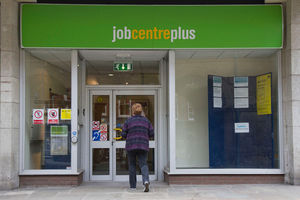
The Department for Work and Pensions (DWP) has urged employers across the Black Country to take advantage of recruitment support available through local Jobcentres.
Cathy Taylor, employment advisor manager for the Black Country, said: “Our Jobcentres are open for recruitment events tailored to individual employers, and we regularly host job fairs that bring multiple businesses together under one roof. We can also organise work academies and boot camps to help prepare candidates for roles.”
To help get people back to work, the DWP is supporting a campaign to promote seasonal employment.
This includes a recruitment drive by Pertemps on behalf of Boots Warehouse to fill more than 1,000 seasonal roles in Burton-on-Trent, with the first shifts starting on August 26.
In Dudley a ‘Connect to Your Community and Boost Your Confidence’ event will be held at Nine Locks Community Centre, Brierley Hill, on Wednesday September 3 between 1pm and 4pm.
Sandwell Council will host an Apprenticeships Makes Sandwell event on Tuesday August 19 with Oldbury-based employment advisors supporting the event.
The DWP will host a public sector jobs fair at Molineux House Jobcentre, Temple Street, Wolverhampton, on Wednesday August 20 to connect jobseekers with public sector employers and providers, offering direct access to vacancies and career pathways.
In partnership with Walsall Council and Walsall College, the DWP will also host an EXPO Jobs Fair on Thursday September 11 at The Hub, Walsall College, with more than 50 employers and training providers in attendance to showcase a range of job vacancies and skills development opportunities.
Minister for Employment Alison McGovern said: “We are determined to see unemployment fall - that’s why we’re focused on getting people into good jobs by joining up work, health and skills support and transforming jobcentres to focus on genuine support not ticking boxes.
“As we grow the economy and transform opportunity in every area with our Plan for Change, we will ensure no one will be left on the scrapheap.”
She said 384,000 jobs have been added to the UK economy since last summer - “putting more money in people’s pockets” - and she said the figures show “real progress with economic inactivity down”.
Black Country Chamber of Commerce has urged businesses to participate in its next Quarterly Economic Survey, which launches next week, to help paint a current picture of the region's economy and jobs market.