West Midlands unemployment rate climbs to 5.7 per cent as UK hits highest jobless level since Covid
Unemployment across the West Midlands region climbed to reach the second highest level in the UK last month, new figures show.
Unemployment in the West Midlands as a whole was running at 5.7 per cent in the three months to May, with only the North East region reaching a higher level, at 6.2 per cent.
According to the most recent ONS statistics, published today, the unemployment rate across the region leapt by 0.5 per cent over the period, 207,805 people are now claiming unemployment benefits, a rise of more than 13,000 people over the course of the year.
In Sandwell, an extra 1,500 people were in receipt of benefits - a rise of 0.7 per cent - while Walsall and Solihull also recorded increases of around half a per cent.
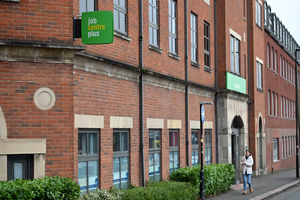
Wolverhampton has the highest proportion of claimants, with 7.3 per cent of people claiming Job Seekers Allowance and Universal Credit, but unemployment rates remained steady over the period with no increases.
The news comes on the back of a turbulent six months for the local economy, with high profile high-street closures looming for Poundland and Wolverhampton's flagship Marks & Spencer store.
Crisis-hit Poundland announced plans to close a regional distribution centre last month, putting around 250 jobs at risk, while around 100 jobs are also set to be lost with the closure of Banks's Brewery in Wolverhampton later this year.
In neighbouring Shropshire the number of people claiming fell slightly, down 0.1 per cent to 2.4 per cent. In Telford and Wrekin the figure rose, climbing 0.2 per cent to reach a total rate of 3.9 per cent. Both remain well below the national average.
Nationally, Britain’s jobless rate has struck its highest level for four years as workers also faced another slowdown in wage growth, official figures show.
The Office for National Statistics (ONS) said the rate of UK unemployment increased to 4.7 per cent in the three months to May, from 4.6 per cent in three months to April - the highest level since June 2021.
Meanwhile, average earnings growth, excluding bonuses, slowed to 5 per cent in the period to May to its lowest level for almost three years.
The figures point towards further pressure in the UK labour market, days after the governor of the Bank of England warned that the Bank is prepared to make larger interest rate cuts if it sees that the job market slowing.
It also comes amid a backdrop of recent weakness in the economy, with UK GDP (gross domestic product) shrinking in both April and May.
ONS director of economic statistics Liz McKeown said: “The labour market continues to weaken, with the number of employees on payroll falling again, though revised tax data shows the decline in recent months is less pronounced than previously estimated.
“Pay growth fell again in both cash and real terms, but both measures remain relatively strong by historic standards.
“The number of job vacancies is still falling and has now been dropping continuously for three years.”
The rise in unemployment is worse than economists had expected, having predicted that the jobless rate would remain at 4.6 per cent for the month.
Nevertheless, average wage growth was slightly higher than the 4.9 per cent predicted.
But the rate of wage growth was still the weakest figure since the three months to June 2022 and represents a drop from a revised level of 5.3 per cent in the three months to April.
Wage growth continues to outstrip inflation, reflecting a rise of 1.8 per cent after taking Consumer Prices Index inflation into account.
Pressure in the labour market for the three months to May comes as firms swallowed significant increases in national insurance contributions and the national minimum wage in April.
The figures also showed job vacancies in the UK fell by 56,000 to 727,000 in the three months to June, compared with the previous quarter.