Birmingham-born World War II codebreaker’s grandchild pays tribute after her death aged 99

The grandchild of Second World War codebreaker Ruth Bourne has said she was “intelligent, creative, and witty” as they paid tribute after her death at the age of 99.

By contributor Ted Hennessey, Press Association
Published

Ms Bourne grew up in Birmingham but latterly lived in High Barnet, north London.

After joining the Wrens (Women’s Royal Naval Service) aged 17, she worked at sites around Bletchley Park in Buckinghamshire as a Bombe machine operator and checker.

She was chosen to work at the secret site to decode intercepted Nazi messages.
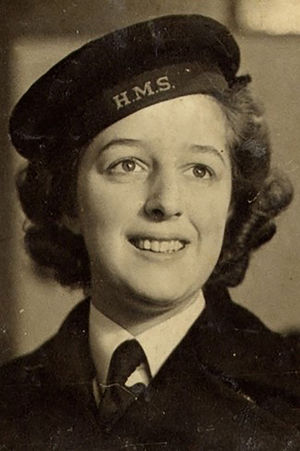
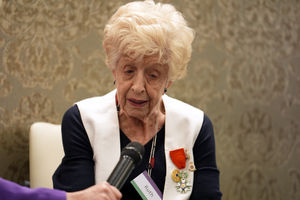
Royal British Legion photo of Ruth Bourne, during her military days.
WWII veteran Ruth Bourne during an International Women's Day event, hosted by the Taxi Charity for Military Veterans, at the RAF Club in Piccadilly, London.

In 2018 she was awarded the Legion d’honneur – France’s highest military honour – in recognition of her service.

Her grandchild Bee Bentall said: “It was our family’s privilege to share Ruth with the world.
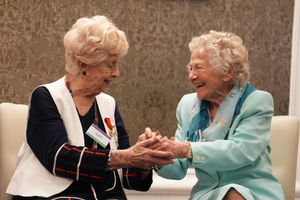
Veterans Ruth Bourne (left), who worked on Alan Turing's code breaking machine at Bletchley Park, and Dorothea Barron (right) during an International Women's Day event, hosted by the Taxi Charity for Military Veterans, at the RAF Club in Piccadilly, London.

“My grandmother was such a bright spark: intelligent, creative, and witty.

“She was always delighted to give her time to educating others about her codebreaking contributions at RAF Eastcote, and she volunteered for decades at Bletchley Park giving tours.
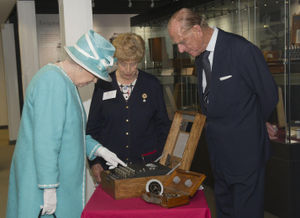
 Queen Elizabeth II presses the button to start the Enigma code breaking machine watched by the Duke of Edinburgh and wartime operator Ruth Bourne during a visit to Bletchley Park, Milton Keynes.
Queen Elizabeth II presses the button to start the Enigma code breaking machine watched by the Duke of Edinburgh and wartime operator Ruth Bourne during a visit to Bletchley Park, Milton Keynes.
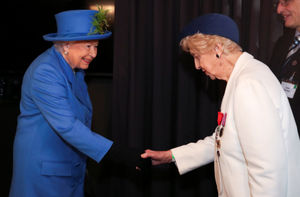
 Queen Elizabeth II shakes hands with Bletchley Park veteran Ruth Bourne during a visit to Watergate House in London to mark the centenary of GCHQ, the UK's Intelligence, Security and Cyber Agency.
Queen Elizabeth II shakes hands with Bletchley Park veteran Ruth Bourne during a visit to Watergate House in London to mark the centenary of GCHQ, the UK's Intelligence, Security and Cyber Agency.

“She lives on in books, in her pottery and art, and in our memories. She will be dearly missed by all”

The Taxi Charity for Military Veterans wrote on Facebook: “Ruth’s contribution to the monumental task of breaking the Enigma cypher was truly historic.
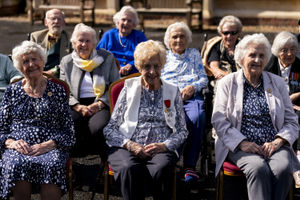
 Ruth Bourne (centre) poses for a group photograph in front of Bletchley Park Mansion, as she returns to the scene of her wartime service at the annual Bletchley Park reunion at Bletchley Park in Milton Keynes.
Ruth Bourne (centre) poses for a group photograph in front of Bletchley Park Mansion, as she returns to the scene of her wartime service at the annual Bletchley Park reunion at Bletchley Park in Milton Keynes.

“Ruth was a remarkable woman with immense charm and charisma, and she will be dearly missed by all who had the privilege of knowing her.”

Iain Standen, Ceo of Bletchley Park Trust, said that Ms Bourne was “extremely proud of her contribution to the war effort” and for years had worked as a tour guide at Bletchley Park.

He went on: “Through countless reunions and interviews, she spoke about her work with honesty and warmth, bringing Bletchley Park’s story to life for audiences of all ages.
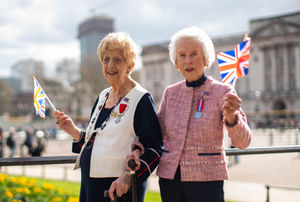
Ruth Bourne, 98, and Joyce Wilding, 100, (right) outside Buckingham Palace where they previously celebrated the end of the war in 1945.

“She will be greatly missed by everyone who knew her and remembered with immense gratitude and affection.”

Philippa Rawlinson of the Royal British Legion, said: “Ruth was dedicated to ensuring the voices and experiences of her generation were at the heart of these historic moments, and we will always remember her commitment to ensuring the sacrifices made during the war are remembered and honoured.”
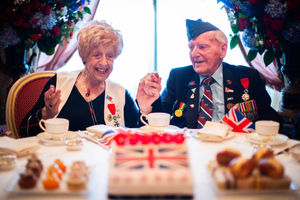
 Ruth Bourne, 98 and Bernard Morgan, 100, hold hands as they join Second World War veterans at a tea party organized by the Royal British Legion at The Ritz, London.
Ruth Bourne, 98 and Bernard Morgan, 100, hold hands as they join Second World War veterans at a tea party organized by the Royal British Legion at The Ritz, London.

Wartime codebreakers used the Bombe machine to break the Enigma code used by the Nazis to encrypt messages, changing the course of the war and saving millions of lives.

Their work enabled British intelligence to move more quickly and act upon the information the Bletchley team gave them, contributing to a number of key military victories during the war.

It also sparked the industrialisation of codebreaking and helped pave the way for the first forms of the computers used today.