Learn symptoms of tuberculosis as Wolverhampton marks TB Day
People are being urged to be aware of the symptoms of tuberculosis (TB) as Wolverhampton prepares to mark World TB Day on Tuesday (24 March, 2026).
TB is an infection caused by bacteria. It mainly affects the lungs, but it can affect any part of the body. It is spread when a person who has ‘active’ or infectious TB coughs or sneezes and small droplets are inhaled by another person.
However, TB is not spread like a cold or flu, where a single cough can pass it on – it usually requires close contact for a longer period of time with a person who has the infection.
Anyone can get TB, but people are more likely to become infected if they have contact with someone who has active TB, if they have a weakened immune system, or they have lived or travelled to a country where TB is common.
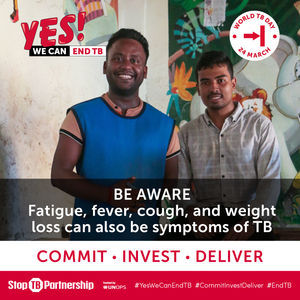
Common symptoms include a cough that lasts more than three weeks – people may cough up mucus (phlegm) or mucus with blood in it – a high temperature, drenching night sweats, loss of appetite, unexplained weight loss, and feeling tired or exhausted, while in children, difficulty gaining weight or growing may indicate TB.
TB bacteria can also live in a person's body without making them sick. People with this latent TB infection have no symptoms and cannot pass TB on to others. However latent TB infection can be become active in the future, so it is important to get tested, if they are invited to do so.
Councillor Obaida Ahmed, the City of Wolverhampton Council’s Cabinet Member for Health, Wellbeing and Community, said: “TB is curable if diagnosed and treated early, with the right combination of specific antibiotics.
"That is why we are asking people to be aware of the common symptoms of TB, to ‘think TB’, and to seek advice from a healthcare professional if they are concerned.”
Wolverhampton’s TB Service accepts referrals from GPs and healthcare professionals for all active, latent and suspected TB cases. For general guidance and reassurance, call 01902 695940. The TB service will also be available to share further information and answer questions in the Emergency Department of New Cross Hospital between 10am and 2pm on World TB Day next week.
The Stop TB Partnership are championing this year as a year of hope with the theme 'Yes! We Can End TB'. For more information, please visit www.stoptb.org