From classroom to café: How Penn Hall School is leading the way in Special Education
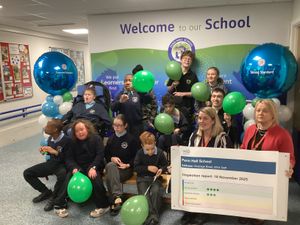
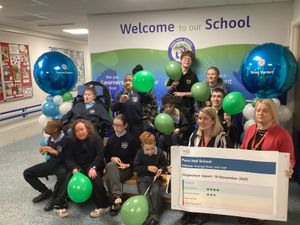
Penn Hall School has been celebrated in Special Education, becoming the first Special School in the region to undergo inspection under the rigorous new Ofsted Framework.
Following a glowing report that highlighted the school’s "open culture of safeguarding" and ambitious curriculum, the school’s leadership team has announced they will be hosting a regional briefing this March to help other schools navigate the changes.
The new inspection framework places a heavy emphasis on how schools prepare young people for the real world. Penn Hall was praised for its innovative approach to this, particularly its 14-19 curriculum which sees students running a public-facing café, participating in residential trips, and engaging in work placements.
Inspectors noted that these initiatives are vital in "fostering independence and confidence," preparing students not just for exams, but for adulthood.
"We are incredibly proud of this report," said Ross Ashcroft, Executive Headteacher. "It is a validation of our team's hard work and our absolute commitment to inclusion. To hear our culture described as 'open' and our safeguarding as 'robust' confirms that we are getting the most important things right for our young people."

In a national climate where school attendance is a challenge, Penn Hall is bucking the trend. The report highlighted that the school’s attendance rates are above the national average for specialist settings, a success attributed to the school's proactive partnerships with health professionals and families.
Recognising that many other Headteachers are anxious about the new regulations, Penn Hall is opening its doors on March 12, the school will host an "Afternoon Briefing," inviting leaders from across the West Midlands to share best practices.
Konrad Katarzynski, Headteacher, explained the importance of the event: "Being the 'pilot' for a new framework can be daunting, but we learned a huge amount. We want to move beyond competition and focus on collaboration. By sharing what we learned, what went well and what we’d tweak, we hope to empower other local SEND schools to succeed too."