School marks National Apprenticeship Week
Ninestiles, an Academy, which is part of Summit Learning Trust, celebrated National Apprenticeship Week this week through a programme designed to raise awareness of apprenticeships, T Levels and employer pathways.
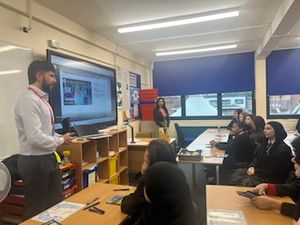
Throughout the week, learners took part in a range of carefully planned activities aimed at challenging misconceptions about apprenticeships and aimed to broaden their understanding of post-16 and post-18 routes. Some Year 10 learners took part in a ‘Busting the Myths’ workshop, exploring the realities of apprenticeships and T Levels, including entry requirements, progression opportunities and earning potential.
Learners were also introduced to real apprentice role models through short case studies, meeting Harvey, Harry, Esme and Connell, who shared their personal journeys into employment across different sectors. These first-hand accounts provided valuable insight into employer expectations and the skills required for success in the workplace.
The theme of this year’s National Apprenticeships Week is 'Skills for Life', aiming to highlight the value and benefits of apprenticeships and skills.
Apprenticeships and skills programmes are a key element of the government’s aim of boosting opportunities for young people.
Alex Hughes, Principal at Ninestiles said: “As part of our ongoing commitment to giving high quality careers advice to our learners, we want to ensure that all our students are fully aware of the wide range of opportunities open to them when they move on from us at Ninestiles. We want them to feel excited and well informed about their futures.
“Thank you to Amanda O’Donnell for her brilliant support in making this such an engaging week for all our students.”
Learners finished the week with an interactive tutor group competition, called ‘Who Do You Think Was an Apprentice?’, designed to highlight the diverse and successful careers of former apprentices while reinforcing positive perceptions of vocational routes. This helped to increase awareness, aspiration and engagement on alternative pathways for learners, ensuring young people are better prepared to make informed decisions to successfully move into education, employment or training.