TV's Brenda Edwards calls on Britain’s aunties in the West Midlands to protect loved ones from avoidable sight loss
A new initiative fronted by TV personality Brenda Edwards, launched by Specsavers with advice and guidance from Glaucoma UK, hopes to prevent sight loss in people in the West Midlands from African-Caribbean communities, who have an up to four times increased risk of developing the condition and may develop it earlier in life.
Dubbed The Auntie Army, it calls on self-appointed ‘aunties’ to talk their friends, family and other loved ones into an eye test and identify glaucoma before it causes avoidable vision loss.
The new movement comes as new research commissioned by Specsavers reveals that adults from African-Caribbean backgrounds in the West Midlands are a 72% more likely to have avoided or delayed a health appointment – including GP, hospital and eye appointments – often due to feeling nervous or anxious.
For 24%, it’s been two years or longer since their last eye check – and 2% have never had one – despite an increased risk of developing the serious but often symptomless condition.
However, while health hesitancy can mean that traditional messages don’t always resonate, there is one group that African-Caribbean Brits agree they’re influenced by – their aunties. Four in five (75%) people in the West Midlands agree that unsolicited ‘auntie advice’ from older, esteemed women in their community would influence decisions about their health, while a further 68% said that receiving health advice from someone with a similar cultural background was important to them.
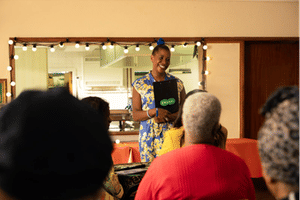
Enter: The Auntie Army. Launching with a galvanising video mission briefing from TV personality Brenda Edwards, it rallies self-proclaimed aunties to make the most of their good-natured nagging at family events, in food shops and via WhatsApp groups, to ultimately get their loved ones to protect their eye health through regular sight tests.
While many said that unsolicited auntie advice ‘can be frustrating’, 74% of respondents from an African-Caribbean background agreed that they always take it seriously.
Brenda Edwards, actress, singer and panellist on Loose Women, comments: "Aunties have been praying, cooking and looking after their communities forever. Now it’s time for them to tell their loved ones to get an eye test because that’s who they will listen to.
"My family has a history of glaucoma so I’m very aware how important eye tests are. So please do as your auntie says and book one today, even if you think you can see perfectly fine. I’m not asking now, I’m telling you – pass the message on."
Justine Page, store director at Specsavers Walsall, comments: "Glaucoma can develop slowly over time without obvious symptoms, meaning many don’t realise there’s a problem until irreversible damage to their vision has already been done.
"That’s why regular eye checks are so important – they’re not just about checking your vision; they’re vital to catch conditions like glaucoma early."
Robyn Asprey, Development Manager at Glaucoma UK, comments: "The number of people living with glaucoma is expected to increase by 44% between 2015 and 2035, with some people at a higher risk of developing the disease.
"People from African Caribbean communities are up to four times more likely to get glaucoma - and although it’s more common later in life, it can affect people of all ages. That is why we need to raise awareness of glaucoma amongst higher risk communities and ensure people can access the eye care they need, in an equitable and timely manner."
Jagdeep Singh, Specialist Optometrist & Head of Clinical Proposition at Newmedica, comments: "Once detected, glaucoma can be a very manageable condition. For the vast majority of cases, treatment can prevent further damage caused by glaucoma. For most patients, monitoring and the use of specialist eye drops can help reduce the pressure caused by glaucoma, which becomes a simple everyday task like brushing teeth."
The movement forms part of a wider initiative in partnership with Glaucoma UK to bring eye tests to people at higher risk of glaucoma, including those of African-Caribbean heritage through community outreach programmes.