Bees need your help more than ever - will you help aid their survival?
As summer fades into autumn, that’s the plea coming from South Staffordshire and District Beekeepers Association (SSDBKA).
While it’s easy to assume that bees no longer need our help, it’s actually one of the most important times of year for our pollinators.
According to the association, it’s now that the bees are busy building up their stores to help survive the winter months, and with fewer flowers available, so every little bit of support counts.
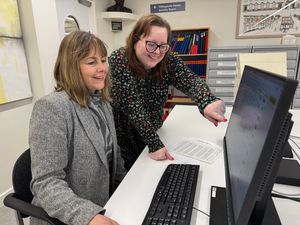
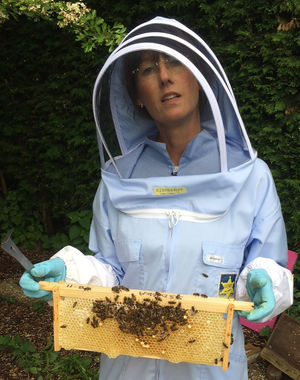
Association's president, Wendy Woodward, pictured, said: "Bees are under significant pressure at this time of year. Nectar sources are dwindling, and in some parts of the county, wasps are still attacking colonies, following a higher-than-usual population this summer, adding extra stress to the hives.
“But simple actions by county residents can make a big difference, whether it’s planting, buying local honey, or even just letting the garden grow a little wild. Bees need us more than ever at this time of year.”
So, what can we do to help?
Five simple ways that you can support the county’s bees this autumn
1. Plant autumn flowers
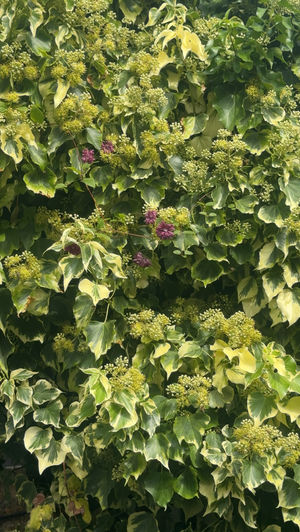
Choose pollinator-friendly plants that flower late into the season. Ivy, sedum, asters, and dahlias are excellent choices, providing vital nectar and pollen just when bees are short of resources.
2. Go easy on the autumn tidy-up
Don’t be too quick to cut back or clear away. Leaving ivy to bloom, seed heads standing, and wild corners untouched offers bees food and shelter.
3. Provide a drink station
Bees need water as well as nectar. A shallow dish filled with pebbles or marbles makes a safe landing spot where they can drink without risk of drowning.
4. Support your local beekeepers
When you buy local honey, you’re not just getting a unique, seasonal product — you’re helping to fund hive care and bee health in your community.
5. Think about beekeeping yourself
Autumn is the perfect time to start researching courses and local associations. Many beginner sessions run from winter into spring, so you can start learning before getting hands-on with a hive.
Wendy added: “Bees are central to our ecosystems and food supply, but their survival depends on collective action. But helping the bees doesn’t need to be complex, and you don’t have to be an expert beekeeper either.
“Small steps can have a huge impact. If everyone did one of these five things this autumn, we’d give pollinators a real boost going into winter.”
For more on the association, how to help bees, and its beekeeping courses, please visit southstaffsbeekeepers.com