Staffordshire nature reserve celebrates record-breaking breeding season for booming bitterns and wading birds
Some of the UK’s most iconic and threatened wading birds and a rare type of heron, are being celebrated as they have one of their most successful breeding seasons in years at RSPB Middleton Lakes in Staffordshire.
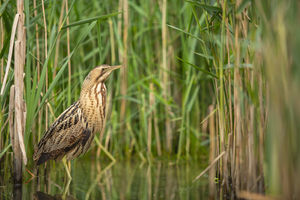
Bitterns, which are part of the Heron family of birds, have thrived at RSPB Middleton Lakes this year, and the RSPB team is celebrating the presence of two booming males and two confirmed nests on the reserve this summer. At least five chicks have now fledged, however due to their secretive nature it can be hard to confirm exact numbers of fledglings.
The reserve has also seen the highest number of wader chicks fledge since 2022, thanks to a mix of habitat management by the RSPB team and favourable weather conditions.
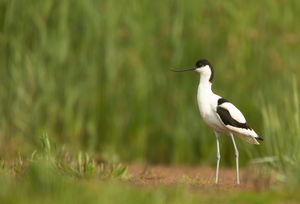
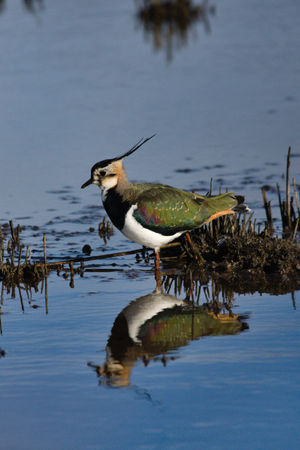
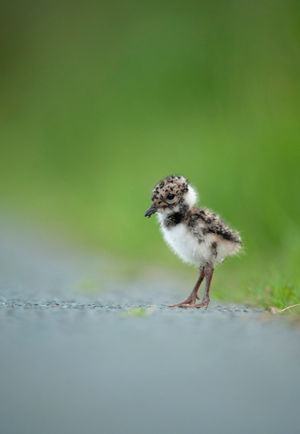
Avocets have seen ten families raise 16 chicks. Lapwings have also had a strong breeding season, with 11 pairs producing 14 young, alongside other wading bird species seeing chicks fledge too.
Kate Thorpe, site manager at RSPB Middleton Lakes, said: “We are thrilled and feel incredibly rewarded to see waders and Bitterns thrive this year at RSPB Middleton Lakes. It shows the importance of making habitats resilient to our changing climate, and how species can bounce back with careful conservation work. We are hopeful for the future of these special birds.”
RSPB Middleton Lakes is one of the biggest areas of wet grassland, shallow water and islands in Staffordshire, making it an important hotspot for species including Redshank and Lapwing.
This year’s breeding successes come following long term efforts by the RSPB to create the ideal conditions for the birds to thrive at Middleton Lakes.
Over the winter, staff and volunteers worked hard to manage the reedbed at the reserve, which Bitterns depends on. This included removing trees to stop them drying out the ground and taking over the wetland and reedbed. The birds prefer younger and wetter reedbed.
In the summer months, grazing by the reserve’s resident cattle, Hope and Charity, has kept vegetation at the optimal level for nesting birds. Lapwings and Avocets need short grass, with the removal of scrub and trees helping protect against predators like Crows.
Despite this year’s heatwaves, RSPB Middleton Lakes stayed wet, in part thanks to the River Tame providing a lifeline. The team also used a water pump to keep scrapes, which are shallow ponds, wet meaning young Avocets and Lapwings could feed during the dry spells.
Only a few decades ago, RSPB Middleton Lakes was the site of a gravel quarry. In 2007 it was transformed into a haven for wildlife when the RSPB took it over. The expert conservation team work hard throughout the year to manage the reserve, which has rare and essential habitats for many species in the Midlands.
Bitterns are a shy species, famous for the male’s loud “booming” call which can be heard up to three miles away and is used to attract a mate. In 1997, the UK population of booming males was just 11 and were restricted to a small number of mainly coastal sites. Thanks to careful habitat management and protection at places like RSPB Middleton Lakes, the RSPB has been able to help give Bitterns a boost and attract the birds back to the West Midlands.
In 2021, Bitterns successfully bred in the West Midlands for the first time in more than over 100 years at RSPB Middleton Lakes, raising five young. Since then, Bitterns have remarkably bred and fledged from the site each year.
RSPB Middleton Lakes is home to a children’s play meadow in the heart of nature. It is designed for families and children ages 2-10 to explore, with play equipment scattered throughout the meadow at the nature reserve, including a fully-equipped ‘mud kitchen’, willow tunnels and musical play features.
RSPB Middleton Lakes is open daily to visitors. Visit rspb.org.uk/days-out/reserves/middleton-lakes to plan your visit.