Gardeners do this or risk your raised beds rotting warns construction experts
Sleepers are a stylish way to bring structure and texture to outdoor spaces and their popularity is on the rise, with Google searches for ‘sleeper garden beds’ increasing by 136% in the past quarter*. Whether you’re building raised flower beds, retaining walls, or rustic garden seating, their versatility make them a go-to for landscapers and DIY gardeners alike. But if you want your sleeper project to stand the test of time, there are a few crucial things not to overlook.
Sue Taylor, product expert and Director of Complete Construction Products, shares her essential advice for using sleepers the right way, so you avoid common pitfalls and maximise durability.
1. Don’t ignore the risk of rot
The UK’s damp climate creates the perfect environment for fungal spores, which can lead to mould, mildew, and rot. “These organisms feed on the wood’s cellulose and lignin, gradually weakening and destroying it,” explains Sue. “This is why incorporating antifungal wood treatment into your maintenance routine is essential for preventing some of these destructive growths.”
Sleepers in direct contact with soil or moisture-rich areas are particularly vulnerable, so treatment and good design are key.
2. Avoid untreated wood
If you're using sleepers in a garden project, choosing the right preservative treatment is vital. “Wood preservatives are specifically designed to protect against rot, fungi, and wood-boring insects,” says Sue. “Oil-based preservatives offer excellent penetration and water repellency, making them an ideal choice for outdoor use.”
Even if the timber is pre-treated, it’s wise to reapply protective products before installation, especially on any exposed areas.
3. Don’t build without thinking about drainage
Sleepers that sit in water or stay damp after every rain shower are unlikely to last. “Proper drainage is essential,” Sue warns. “Design and build structures to allow water to run off easily and avoid pooling. That means sloping surfaces, ensuring good drainage around foundations, and avoiding designs that trap water.”
If you’re building raised beds, for example, make sure the surrounding ground isn’t holding moisture against the wood.
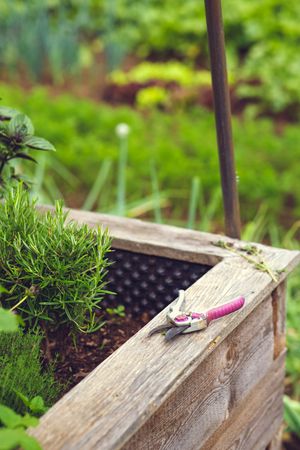
4. Don't trap the structure in a damp environment
Good airflow is another overlooked element of sleeper maintenance. “Ventilation is key and adequate airflow around and under wooden structures helps them dry out quickly after rain and reduces humidity,” Sue says.
This is especially important if your sleepers are used horizontally in seating or decking designs. Encourage air movement to keep them dry.
5. Never leave cut ends untreated
One of the most vulnerable parts of any sleeper is its end grain. “The cut ends of timber are particularly prone to moisture absorption because the wood fibres are exposed,” explains Sue. “Always apply multiple coats of treatment specifically to the end grain of any cut timber. This can make a significant difference in how long the wood lasts.”
Look for end grain sealers or apply your chosen wood preservative generously and let it soak in.
6. Don’t let sleepers sit directly in soil
“Where possible, elevate wood off the ground to prevent direct contact with damp soil and standing water after it rains,” Sue advises. This could mean placing them on a gravel bed, using a concrete footing, or incorporating a drainage membrane beneath.
This small design decision can help your structure avoid early deterioration, especially in areas prone to puddles or heavy rainfall.
Sleepers can elevate the look and function of your garden, but they require thoughtful planning and regular care to stay in good shape. As Sue puts it: “Don’t just build for the moment, build for longevity. A few preventative steps can add years to the life of your outdoor structure.”
So before you install those beautiful oak or softwood sleepers, make sure you’ve taken steps to protect your investment from the elements. Because with the right approach, your sleeper design won’t just look great today—it will still be standing strong for many seasons to come.