Summer pressures mount for West Midlands’ ageing population
New data has suggested that millions of older adults in the UK find the summer months just as isolating as the winter months. Whilst the majority of Brits have been basking in the heat, enjoying the sunshine and socialising, thousands of over-50s in the West Midlands remain trapped indoors, facing mobility challenges that limit their independence and contribute to a downward spiral of mental health.
According to research by Stiltz Homelifts, nearly a quarter (23%) of people over 50 experience mobility issues, rising to 43% among those aged 70–89. One in ten people over 65 rely on walking aids or wheelchairs, increasing to over a quarter (27%) among those over 70.
In the West Midlands, one in ten (10%) older adults describe their mobility as average, with a further 16% of older adults describing their mobility as poor, requiring a scooter, wheelchair or mobility aids to get about, highlighting a widespread struggle to move safely and confidently within or outside their homes.
Per capita, those in Coventry reported the highest average mobility (30%) challenges than anywhere else in the UK.
Almost a quarter (23%) of those surveyed admitted the thought of having to leave their homes due to mobility fills them with dread, with a further one in ten (10%) saying it would negatively impact their mental health and happiness.
“We recognise that for older adults in particular, home is more than just a building; it’s a source of comfort, familiarity, and identity,” said Yola Mealing, Head of Brand and Mental Health First Aider at Stiltz Homelifts. “When mobility issues trap someone indoors, the impact on their independence and mental health can be devastating.”
Heat Exacerbates Risk – While Support Systems Diminish
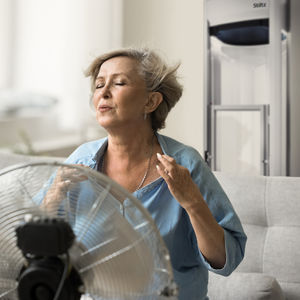
While icy weather is often blamed for limiting older people’s mobility, hot summer temperatures can bring a different set of dangers. Heat-related swelling can make walking more painful for those with joint conditions, while dehydration can trigger confusion and, in severe cases, hospitalisation.
What’s more, family routines often shift over the summer holidays. With loved ones away or busy, this means older people may see fewer visitors and have less support during a time that is already vulnerable for them.
“Too often, the perception is that loneliness and isolation are winter problems,” Mealing added. “But for older people with reduced mobility, those feelings can persist, or even worsen in the summer, when others are out enjoying life and they’re worried about stepping outside.”
Homes Built for the Wrong Future
The structural problem, Stiltz argues, is that the UK’s housing stock is fundamentally unfit for an ageing population. According to the 2023-2024 English Housing Survey, just 9% of homes in England currently meet even the most basic accessibility criteria, leaving the vast majority of older people in homes that actively work against their long-term independence.
The drive to build upwards with three-storey townhouses is becoming increasingly common in new developments, exacerbating the situation. These homes often include steep staircases and narrower layouts, creating physical barriers for anyone with mobility challenges.
“It's time to stop building homes that only work for the young and mobile,” said Yola Mealing. “We need a national conversation - and national action - on how to design homes that allow people of all ages to live safely and independently; and that includes those who are less mobile too.”
Call to Action: Check In and Futureproof
Stiltz is calling on individuals to check in with older neighbours this summer and offer support - whether that’s helping stay cool and hydrated, popping to the shops on their behalf, or simply sharing a conversation.
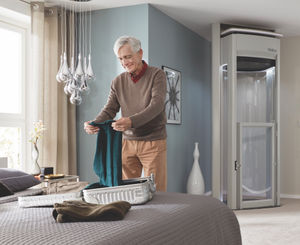
In the longer term, the brand is encouraging homeowners, developers, and policymakers to invest in accessible design and home adaptations, including domestic homelifts, upfront, ensuring any property is future-proofed for whoever chooses to buy it. This policy will allow older adults to remain safe, connected, and in control of their living space.
“Designing for independence isn’t just a building issue, it’s a mental and physical health question which will help us all on so many levels,” Mealing concluded. “We must do better.”