Is it too hot to work? Health and safety experts explain what the heatwave means for the workplace
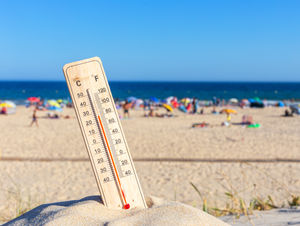
Following a recent mini-heatwave, it’s clear that office-working Brits are once again entering the season of uncomfortably hot working environments as temperatures are expected to soar again and hit 31°C in London this week.
To help explain what the law says about working in the heat, health and safety experts from High Speed Training have examined how heatwaves impact workers, as well as providing advice for how employers should look after their employees in the hot weather.
Working in a heatwave is not only uncomfortable for workers, but it can also be dangerous in certain professions, not to mention impacting overall workplace productivity.
Dr Richard Anderson, Head of Learning and Development at High Speed Training, said: says: “Working in the middle of a heatwave can be incredibly uncomfortable, especially in buildings or environments where adequate air conditioning isn’t available. For those working from home on a temporary or permanent basis, the lines may appear to be blurred between who is responsible for what. But it’s important to note that employers have a duty to ensure the health and safety of all their employees, regardless of where they work.
“This means they should make the necessary arrangements to help employees who work from home maintain a comfortable temperature. Measures they may take include many of those described above, such as providing fans to help cool the employee’s working area and allowing flexible working, as well as providing guidance on how to stay cool. For example, ensuring staff know to keep curtains closed in sun-facing rooms, and encouraging them to take plenty of breaks to drink water and regain their concentration.
“If employees working from home still struggle with heat after these considerations, further measures may need to be discussed as part of the risk assessment. For example, determining if there is a local office that is air-conditioned or generally cooler than their home where they can temporarily work.”
Can it ever be too hot to work in the UK?

While there is no legal maximum working temperature in the UK, the Health and Safety Executive (HSE) states that working temperatures must provide "reasonable comfort." It is an employer's legal duty to conduct a risk assessment to determine a suitable temperature for their specific environment. Factors like humidity, airflow, and physical effort all play a part.
Excessive heat can lead to poor concentration, reduced productivity, and heat stress, posing a significant safety risk, particularly in safety-critical roles. Protecting employee well-being in the heat is essential for both safety and business productivity
What can employers do to make work more comfortable in the heat?
Employers have a duty to ensure their staff’s working conditions are safe and as comfortable as possible, and luckily, measures can be taken to help improve conditions without sending everyone home.
Actions that employers may take following a risk assessment include:
Installing and maintaining air conditioning units where possible. This may not always be reasonably practicable, however, so other measures, like those listed below, may need to be considered.
Relaxing the dress code. If office wear usually means wearing a suit, relax this rule in hot weather. Allow more informal wear such as no ties or no suit jackets to cope with the heat.
Providing refreshments. By law, employees should have access to fresh drinking water, but providing ice and squash can refresh people even further.
Providing desk fans, or temporary cooling units to improve air circulation and keep people cool at their desks.
Moving people’s working areas to cooler locations, such as moving desks that are in direct sunlight away from that area.
Installing curtains and blinds on sun-facing windows to prevent the office from getting any hotter.
Accommodating flexible hours so people can work earlier or later when temperatures are not as intense.
Relaxing office attendance rules to allow working from home if employees find this to be more comfortable
Employers should also take extra care to protect any vulnerable people in the office. Hot weather can make people feel tired and less energetic than usual, especially for young and elderly people, pregnant women, and people who may be on medication. Vulnerable people may appreciate extra rest breaks or a desk fan to improve air circulation.
Further advice can be found on the HSE website and in the following guidance document for heat stress.
For more information about High Speed Training and the health and safety courses they offer, visit: highspeedtraining.co.uk.