
Meta reaches 17 billion dollar settlement in teen social media addiction trial
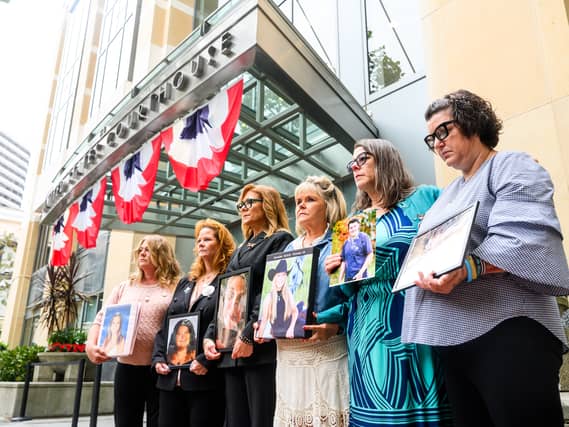

California, Colorado, Kentucky and New Jersey were among 29 US states that sued the tech giant in 2023.
Meta has agreed to pay 17 billion dollars (£12.5 billion) and add child safety measures to its Facebook and Instagram platforms to end a landmark trial over teen social media addiction and settle claims filed by 47 states.
California, Colorado, Kentucky and New Jersey were among 29 states that sued the tech giant in 2023, but the deal cuts short the trial, which was expected to see chief executive Mark Zuckerberg give evidence before a jury in federal court in California.
The agreement is worth 353 million dollars (£186 million) in Virginia alone and is one of the biggest in state consumer protection history, the state’s attorney general Jay Jones said in a statement on Wednesday.

“For years, Meta intentionally deceived the public about the addictive and harmful design features that have wreaked havoc on youth mental health,” Mr Jones said.
The settlement “will put an end to these dangerous practices and deliver meaningful relief that will protect children from online harm”.
Meta did not respond immediately to a request for comment.
The 17 billion dollar settlement is a fraction of the company’s 2025 revenue of 201 billion dollars (£148 billion).
The case accused Meta of contributing to the youth mental health crisis by deliberately designing features that addict children to its platforms and hiding them from the public.
It also argued that Meta violated federal laws by routinely collecting data on children under 13 without their parents’ consent.
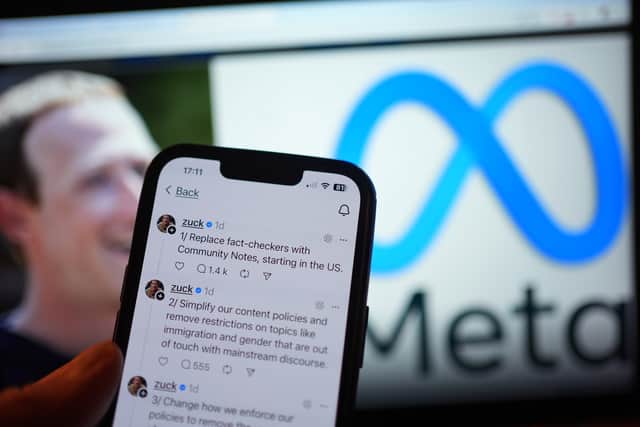
The trial kicked off last week in Oakland, California, with US district judge Yvonne Gonzalez Rogers overseeing the proceedings.
Adam Mosseri, the head of Instagram, began giving his evidence late on Tuesday and defended Meta’s record and progress on child safety and privacy.
The cases in other states had been expected to go to trial later.
In addition, nine attorneys general filed lawsuits in their respective states.
Under the proposed settlement, Meta agreed to adopt a series of safety features, including a “hard cap” on daily time limits and pauses for children using Instagram and Facebook.
It will eliminate push notifications during weekday school hours and bring in “robust” age assurance measures and “age-appropriate” content controls to prevent bullying and harmful material about eating disorders and self-harm.
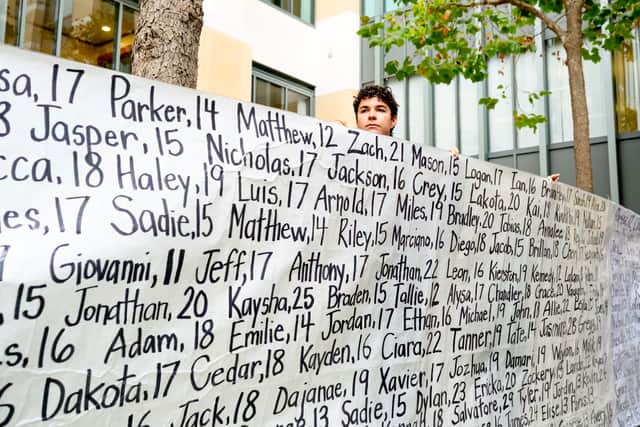
There will be stronger and more user-friendly parental controls and limits on social comparison features such as “like” counts.
The federal lawsuit was the result of an investigation led by a bipartisan coalition of attorneys general from California, Florida, Kentucky, Massachusetts, Nebraska, New Jersey, Tennessee, and Vermont.
It followed newspaper reports, first by The Wall Street Journal in 2021, that found that the company knew about the harm Instagram can cause teenagers — especially teen girls — when it comes to mental health and body image issues.
Meta has since added a host of safety features to Instagram, including separate accounts for teenagers with stronger protections around messaging and privacy, along with content restrictions.
But child safety experts, along with some former Meta employees, have long contended that the features are little more than window dressing.
Arturo Bejar, a former Meta engineering director, said while giving evidence last week that Meta consistently prioritised profits over safety in designing its products, focusing on how often and for how long people used them, even if it was detrimental to their mental wellbeing.
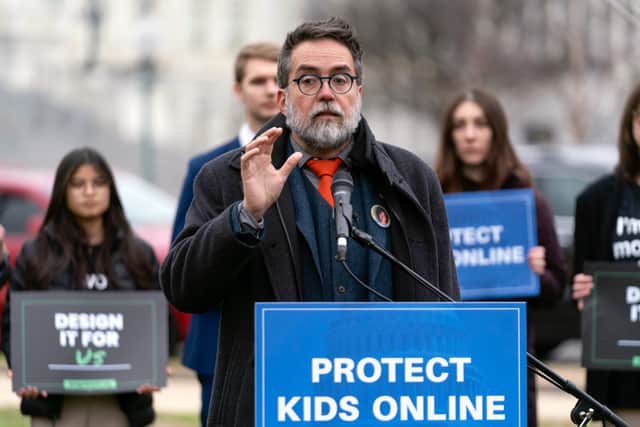
“If you step away from the product, they are not going to make any money,” he said.
While the four states in the Oakland trial did not officially say how much they had been seeking, Meta said in a court filing that financial penalties in the case could amount to as much as 1.4 trillion dollars — a figure legal experts said was unlikely, if not impossible.