Israel and Hamas agree to peace deal as hostages and prisoners set for release
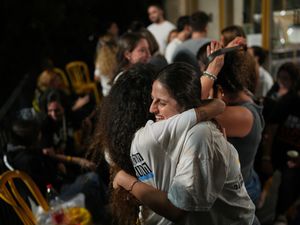
In Tel Aviv, families of the remaining hostages popped champagne and cried tears of joy when the deal was announced.
Israel and Hamas have agreed to the first phase of a peace plan for Gaza, paving the way for a pause in the fighting and the release of the remaining hostages in exchange for Palestinian prisoners.
Palestinians greeted the news cautiously on Thursday as a possible breakthrough in ending the devastating two-year war.
Uncertainty remains about some of the thornier aspects of the plan advanced by the administration of US President Donald Trump – such as whether and how Hamas will disarm, and who will govern Gaza.
But the sides appear closer than they have been in months to ending a war that has killed tens of thousands of Palestinians, destroyed most of Gaza and brought famine to parts of it, and triggered other conflicts across the Middle East.
The war, which began with Hamas’s deadly attack on Israel on October 7 2023, has sparked worldwide protests and increasingly isolated Israel, as well as bringing allegations of genocide that Israel denies.
Even with agreement expected to be signed later in the day, Israeli strikes continued, with explosions seen on Thursday morning in northern Gaza.
The Israeli military did not immediately comment on the strikes but earlier in the day said it had begun preparations for the implementation of the ceasefire, and troops were planning to transition to “adjusted deployment lines”.
Following news of the agreement, Alaa Abd Rabbo, originally from northern Gaza but forced to move multiple times during the war, said it was “a godsend”.
“This is the day we have been waiting for,” he said from the central city of Deir al-Balah. “We want to go home.”
In Tel Aviv, families of the remaining hostages popped champagne and cried tears of joy when the deal was announced.
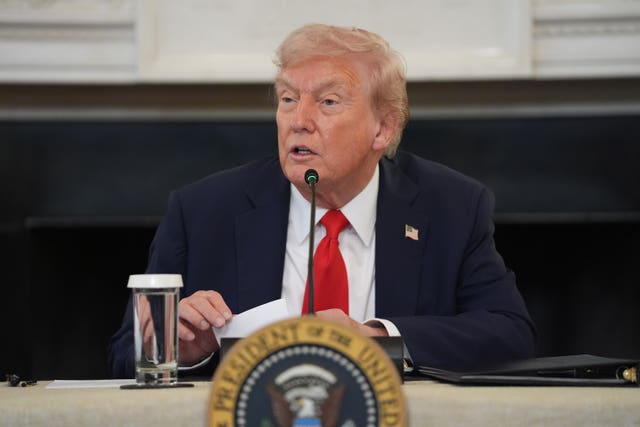
“This means that ALL of the Hostages will be released very soon, and Israel will withdraw their Troops to an agreed upon line as the first steps toward a Strong, Durable, and Everlasting Peace,” Mr Trump wrote on social media late Wednesday after the agreement was reached. “All Parties will be treated fairly!”
Under the terms, Hamas intends to release all 20 living hostages in a matter of days, while the Israeli military will begin a withdrawal from the majority of Gaza, people familiar with the matter told the Associated Press.
In an interview on Fox News, Mr Trump said Hamas will begin releasing hostages “probably” on Monday.
The breakthrough came on the third say of indirect talks in Egypt.
“With God’s help we will bring them all home,” Israeli Prime Minister Benjamin Netanyahu proclaimed on social media shortly after Mr Trump’s announcement. Mr Netanyahu said he would convene the government on Thursday to approve the deal.
Hamas, meanwhile, called on Mr Trump and the mediators to ensure that Israel implements “without disavowal or delay” the troop withdrawal, the entry of aid into the territory and the exchange of prisoners.
Mr Trump’s plan calls for an immediate ceasefire and the release of the 48 hostages that militants in Gaza still hold from their attack on Israel two years ago.
Some 1,200 people were killed by Hamas-led militants in that assault, and 251 were taken hostage. Israel believes around 20 of the hostages are still alive.
Under the plan, Israel would maintain an open-ended military presence inside Gaza, along its border with Israel.
An international force, comprised largely of troops from Arab and Muslim countries, would be responsible for security inside Gaza. The US would lead a massive internationally funded reconstruction effort in Gaza.
The plan also envisions an eventual role for the Palestinian Authority – something Mr Netanyahu opposes. But it requires the authority, which administers parts of the West Bank, to undergo a sweeping reform programme that could take years to implement.
The Trump plan is even more vague about a future Palestinian state, which Mr Netanyahu firmly rejects.
Even with many details yet to be agreed, some Palestinians and Israelis expressed relief at the progress.
“It’s a huge day, huge joy,” Ahmed Sheheiber, a Palestinian displaced man from northern Gaza, said of the ceasefire deal.
Crying over the phone from his shelter in Gaza City, he said he was waiting “impatiently” for the ceasefire to go into effect to return to his home in the Jabaliya refugee camp.
Joyful relatives of hostages and their supporters spilled into the central Tel Aviv square that has become the main gathering point in the struggle to free the captives.
Einav Zangauker, the mother of Israeli captive Matan Zangauker and a prominent advocate for the hostages’ release, told reporters that she wants to tell her son she loves him.
“If I have one dream, it is seeing Matan sleep in his own bed,” she said.
This would be the third ceasefire since the start of the war.
The first, in November 2023, saw more than 100 hostages, mainly women and children, freed in exchange for Palestinian prisoners.
In the second, starting in January of this year, Palestinian militants released 25 Israeli hostages and the bodies of eight more in exchange for nearly 2,000 Palestinian prisoners. Israel ended that ceasefire in March with a surprise bombardment.

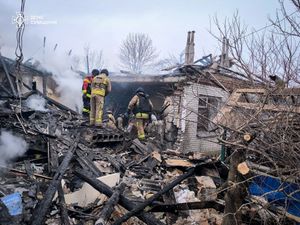
In the Gaza Strip, where much of the territory lies in ruins, Palestinians have been desperate for a breakthrough.
Thousands fleeing Israel’s latest ground offensive have set up makeshift tents along the beach in the central part of the territory, sometimes using blankets for shelter.
More than 67,000 Palestinians have been killed in Gaza and nearly 170,000 wounded, according to Gaza’s Health Ministry.
The ministry, which does not differentiate between civilians and combatants but says around half of the deaths were women and children, is part of the Hamas-run government.
The United Nations and many independent experts consider its figures to be the most reliable estimate of wartime casualties.