
World Cup 2026 – the good, the bad and the ugly

Cape Verde were a highlight, but the Balogun affair and Argentina’s behaviour left a sour taste.
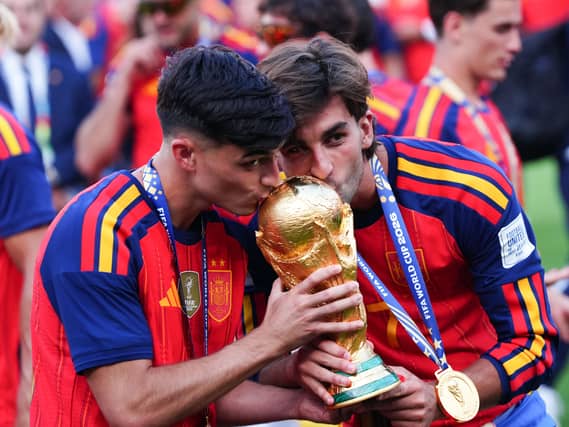
The World Cup came to an end on Sunday evening with Spain securing their second men’s title with a 1-0 victory over Argentina.
Here the Press Association assesses how the tournament went.
The good
Spain
The European champions are now world champions, and fully deserved it after imposing their possession game on their opponents. They conceded just once in the entire tournament, with Pau Cubarsi and Marc Cucurella especially outstanding in defence and Rodri marshalling the midfield. The team do possess a bona fide superstar in Lamine Yamal, but the fact they triumphed without him fully firing indicates what a true team effort this was.
England and Scotland fans
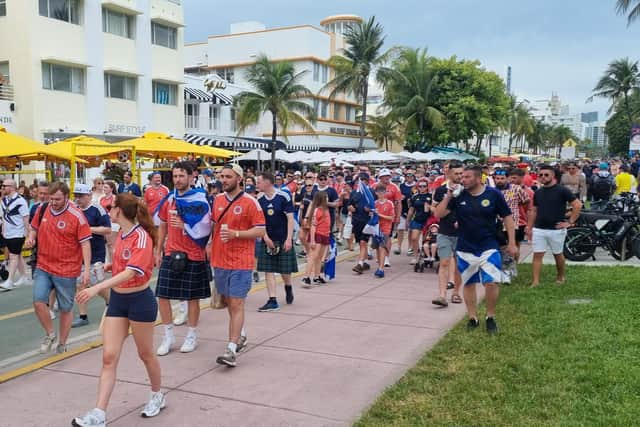
Neither team will feel they achieved what they wanted to on the pitch in North America, but their fans were a credit to them throughout. Scotland fans drew admiration from the city of Boston and partied in the sunshine in Miami, while England supporters garnered praise from the UK’s football policing chief for their “exemplary” behaviour.
Cape Verde
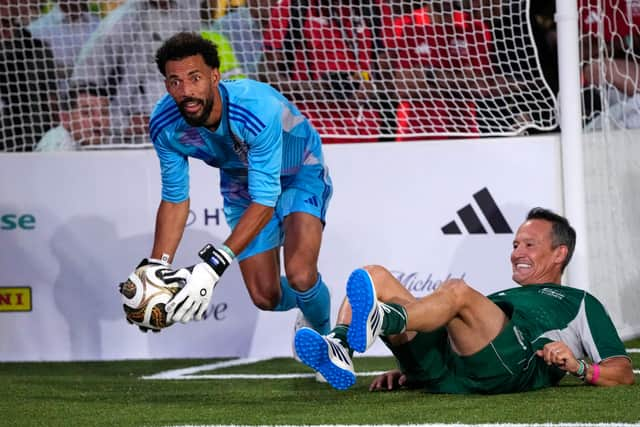
Other so-called smaller nations had their moments, such as Curacao claiming a first World Cup point against Ecuador, but Cape Verde were arguably the most refreshing story of the tournament. They came through a tough group stage unbeaten, including being the only team to take points off Spain, and pushed Argentina all the way in the last 32.
The bad
Hydration breaks
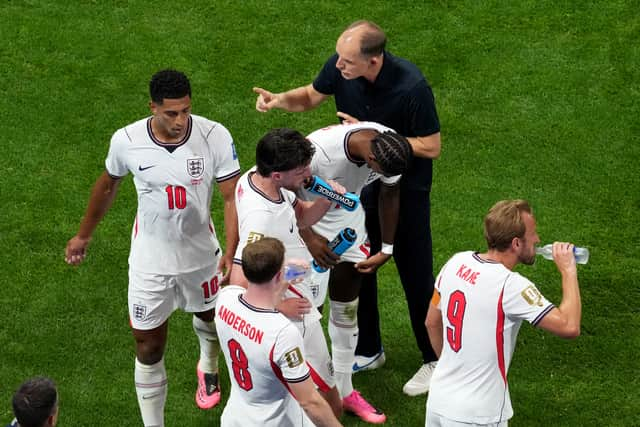
Clearly water breaks were required at some of the matches where heat and humidity were high, but the decision to push them out across all games – even those in air-conditioned stadiums – made this look for all the world as though it had more to do with commercial interests than player welfare concerns.
The breaks effectively split matches into quarters rather than halves and often proved pivotal in shifting momentum – an early example being Curacao losing their path after grabbing an equaliser against Germany.
Half-time show
Coming in at almost 27 and a half minutes, the World Cup final interval cannot be blamed for the poor spectacle on the pitch in New Jersey but it certainly did not help.
The show itself, featuring stars such as Madonna, Shakira and Justin Bieber, lasted 11 minutes, but BBC pundit Wayne Rooney perhaps spoke for many when he said: “I thought it was crap.”
Football’s laws permit a half-time break lasting a maximum of 15 minutes but its law-making body, the International Football Association Board, says it will not comment on FIFA’s breach.
The ugly
The Balogun affair
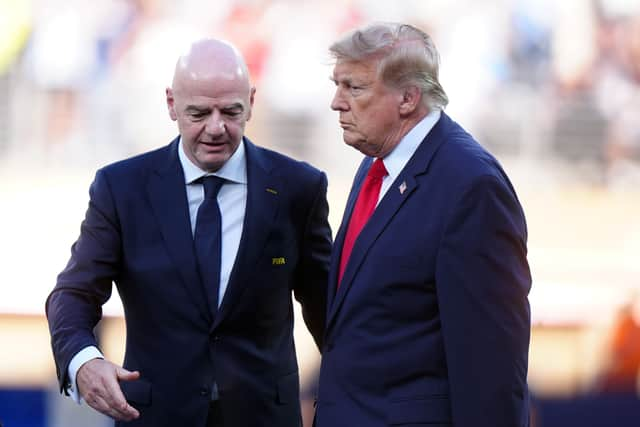
United States President Donald Trump had kept a low profile in the opening weeks of the tournament but that all changed after it was announced that a one-match ban due to be served by US striker Folarin Balogun in the last-16 match against Belgium had been suspended by FIFA’s disciplinary committee.
President Trump revealed the part he had played, saying he had called his FIFA counterpart Gianni Infantino asking for a “review” of the red card. The suspension of the ban has brought into question the independence of FIFA’s administration, with no explanation having been provided as to why the disciplinary committee came to its decision.
The Belgian federation is understood to still be considering its legal options over the affair, so there may yet be more to come.
Argentina
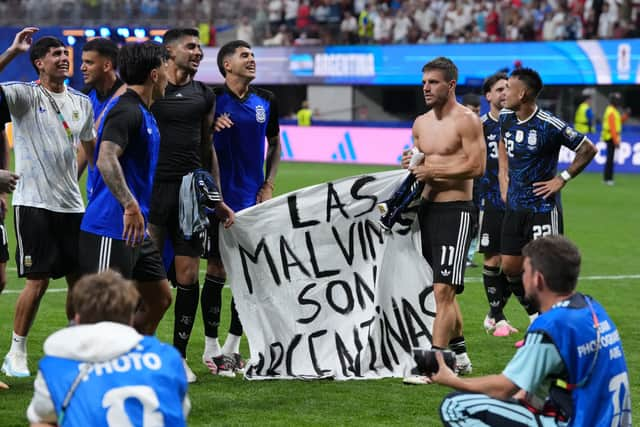
Initial goodwill towards the team and its star man Lionel Messi began to evaporate after they benefited from an astonishing VAR call in a 3-2 comeback victory over Egypt in the last 16, and a controversial red card for Switzerland striker Breel Embolo in the quarter-final under a new interpretation of the ‘mistaken identity’ protocol.
A series of rough challenges went unpunished in the first half of the semi-final against England, and it remains to be seen if the team will face any sanction for displaying a banner claiming Argentina’s sovereignty over the Falkland Islands in the post-match celebrations.
The spoiling tactics continued into the final, with Enzo Fernandez red-carded and midfielder Leandro Paredes lashing out at opponents after the final whistle.