Government grant to reopen CO2 plant amid fears of Iran-linked shortages
The plant on Teesside was mothballed last year after a trade deal with the US cut tariffs on bioethanol, its main product.
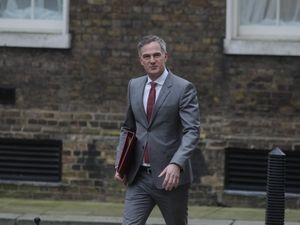
A mothballed carbon dioxide plant is to be reopened with a Government grant of up to £100 million amid fears of shortages caused by the Iran war.
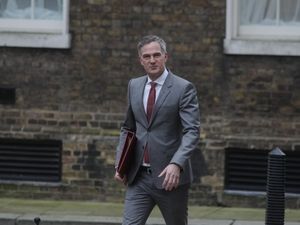
Business Secretary Peter Kyle signed off the grant to reopen the Ensus plant on Teesside, according to the Financial Times.
It is understood the grant will pay to get the plant up and running again for an initial three-month period.

The plant was mothballed last year after a trade deal with the US cut tariffs on bioethanol, its main product.
It will be reopened due to its ability to produce CO2 as a by-product. The gas is vital for several sectors, including drinks and the nuclear industry, but supply has been disrupted thanks to soaring energy costs on other sources such as fertiliser factories.
The grant for the Ensus plant is the first major intervention by the UK Government aimed at tackling possible shortages caused by the Iran conflict.
But fears range much wider than CO2, with former BP executive Nick Butler telling Times Radio the UK could face oil and gas shortages in two to three weeks.
He said: “There will be shortages and I think the Government now should be seriously planning how they’re going to handle that and part of that is maximising supply.”

On Tuesday, Shell chief executive Wael Sawan issued a similar warning at an industry conference.
Ministers continue to insist the supply of petrol remains reliable.
Energy minister Michael Shanks told MPs on Wednesday the Government was “absolutely not” planning for blackouts or petrol rationing, insisting the UK had a “strong and diverse range of supplies”.
The key question remains how long Iran’s effective blockade of the vital Strait of Hormuz will last.
The strait remained closed on Wednesday evening, despite Iran’s foreign minister Abbas Araghchi claiming it was open to “non-hostile” shipping.

The conflict continued with Washington saying it would hit Iran “harder” if Tehran refused to accept it had been “defeated militarily”.
White House spokeswoman Karoline Leavitt insisted “productive” talks were continuing between Washington and Tehran.
But Mr Araghchi said in a message on his Telegram channel, translated from Farsi, that there had been “no negotiations or discussions with the American side” and suggested the US had effectively admitted defeat.
He said: “Didn’t they talk about ‘unconditional surrender’ before? What happened now that they are talking about negotiations and calling for them?
“I will explain that there are no negotiations, but the fact that they are mobilising their highest officials to negotiate with the Islamic Republic indicates their acceptance of defeat.”