Households in poor areas face some of highest council tax bills, figures show
Official data shows overall council tax increases have continued, with an overall rise of 22% since 2023.
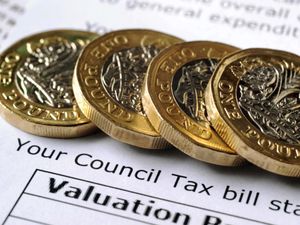
Households in some of the poorest areas in England will continue to pay some of the highest levels of council tax on average, official figures show.
Residents living in metropolitan areas, mostly concentrated in the North and the Midlands, will see annual bills for Band D properties – the standard measure of council tax – averaging £2,409 this year.
This compares to London boroughs, which include both wealthy and deprived areas, where the average will be £2,068.
Households in areas served by unitary councils, which also have mixed levels of prosperity, will pay Band D charges averaging £2,490, while those billed by county-wide councils are being charged £2,452.
Across England, the average Band D council tax in 2026/27 will be £2,392 – an increase of £111 or 4.9% on 2025-26, according to the Ministry of Housing, Communities & Local Government.
The figures include all additional charges, including adult social care, parish precepts and costs levied by police, fire and regional authorities where appropriate.
It is the fourth year in a row that the England-wide increase has averaged around 5%.
Press Association analysis shows the 19 England-based councils run by the Liberal Democrats, either with majority or minority control, imposed the highest average core council tax increases of 5.17%.
This reflects the Government-approved increases of 8.99% in Shropshire and 7.48% in Windsor & Maidenhead, which have helped pull the mean average above 5%.
The median average increase – or midpoint – for Lib Dem-controlled councils is 4.99%.
The 78 councils controlled by Labour increased bills by a mean average of 4.79% while the 26 Conservative councils pushed up bills by 4.92%.
Zoe Franklin, Lib Dems’ local government spokesperson, said: “The Liberal Democrats now control more councils than the Conservatives because communities are fed up with being taken for granted.
“In many places we have stepped in to find local finances in a dire state, and are cleaning up after years of Conservative financial mismanagement.
“Labour’s refusal to fix the crisis in social care and slow action on Send funding, emergencies the Conservatives failed to address for a decade, puts the future financial stability of local councils at risk.
“Councils of all parties are being forced to make difficult decisions because of chronic underfunding.
“The Government has got to get serious. Liberal Democrats will continue to press for urgent action to tackle the social care crisis and Send funding, before more councils are pushed to the brink.”
Of the 384 authorities required to hold a referendum if proposals for council tax exceed a certain threshold, including district councils, 274 used the maximum flexibility available to them.
This represents a decrease of 21 on last year.
Shadow communities secretary Sir James Cleverly said council tax rises were “cooked up in Whitehall”.
He added: “Keir Starmer promised to ease the cost of living and freeze council tax, yet families now face back-to-back hikes and a total council tax take rising by £2.6 million – another broken promise.
“Conservatives will always back hard-working people, delivering better services while keeping council tax down, while Labour, Lib Dems and Reform councils are pushing through the highest rises.”
Steve Houghton, chairman of the Special Interest Group of Metropolitan Authorities, described the funding agreement agreed earlier this year as “transformative” but added that metropolitan councils serving some of the most deprived communities in the country continue to face some of the most difficult financial circumstances in the country.
He added: “Rising demand for services, particularly adult and children’s social care, alongside sustained increases in energy costs, inflation and other day‑to‑day running costs, means councils are under intense pressure simply to maintain vital services.
“Councils do not take the decision to raise council tax lightly but for many it is not a choice but a necessity in order to continue providing the services people rely on every day and to protect our most vulnerable residents.”
A spokesperson for the Local Government Association said many councils are “acutely aware” of the financial pressures on households as they faced having to increase bills to protect services.
They added: “While council tax is an important funding stream, it cannot solve the long-term pressures facing councils, raising different amounts in different parts of the country – unrelated to need.
“Significant new funding, alongside long-term reform of the local government finance system, remains desperately needed to protect the financial sustainability of councils and ensure they can deliver the services communities expect.”
Labour and the Liberal Democrats have been approached for comment.