Downing Street welcomes ‘postponement’ of US strikes on Iranian power plants
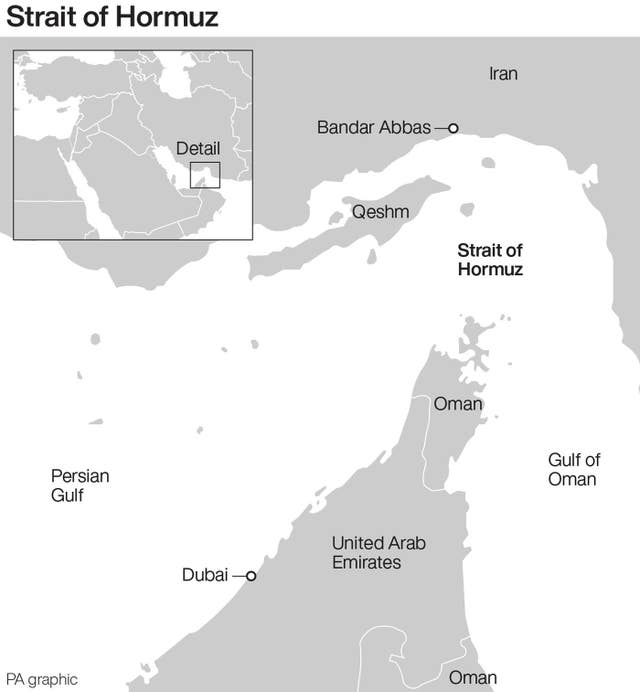
Donald Trump had threatened to obliterate Iran’s power plants if it did not reopen the vital Strait of Hormuz by just before midnight on Monday.
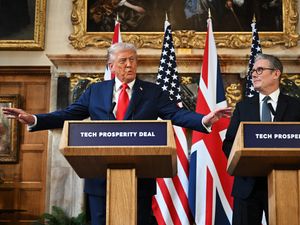
Downing Street has welcomed US President Donald Trump’s decision to “postpone” strikes on Iranian energy infrastructure following talks with Tehran.
Mr Trump had threatened to obliterate Iran’s power plants if the country did not reopen the vital Strait of Hormuz by just before midnight on Monday night.
But in a post on his Truth Social platform, the US president said he would delay the strikes by five days following “very good and productive conversations” with Tehran over the previous two days.
He added that the postponement of strikes was “subject to the success of the ongoing meetings and discussions”.
Following the announcement, Downing Street said reports of productive talks were “welcome”.
Prime Minister Sir Keir Starmer’s official spokesman said: “We have always said that a swift resolution to the war is in global interests and the Strait of Hormuz specifically needs to be reopened.”
Iranian state media reported senior officials in Tehran had denied any negotiations had taken place with the US.
Tehran’s effective blockade of the strait has plunged global financial markets into turmoil and caused a spike in oil prices, raising fears of a further increase in the cost of living.
Oil prices fell sharply following Mr Trump’s announcement on Monday.
Having hit 114 US dollars a barrel earlier in the day, the oil benchmark Brent crude fell back to 98 dollars before rising again to around 106 dollars just after midday.
Sir Keir is due to chair a meeting of the Government’s emergency Cobra committee on Monday afternoon, with discussion focusing on the economic impact of the war.
He told reporters the meeting would examine “every lever that’s available to Government” to respond to soaring energy prices and the knock-on effect on the cost of living.
As well as senior ministers including Chancellor Rachel Reeves, Foreign Secretary Yvette Cooper and Energy Secretary Ed Miliband, the meeting will be joined by Bank of England governor Andrew Bailey.
Sir Keir said: “I want to make sure that when it comes to the cost of living, we’re doing everything we possibly can at a very difficult period like this.”
The Prime Minister spoke to the US president on Sunday night, with the pair agreeing reopening the strait was “essential” to stabilise the global energy market.
The 20-minute call, described by sources as “constructive”, followed a week in which Mr Trump had heavily criticised Sir Keir’s response to the crisis amid the president’s demand for other nations to send ships to open the strait.
Downing Street did not say whether the president had made the Prime Minister aware of his talks with Tehran during the call.
Meanwhile, Sir Keir played down the prospect that Britain could be within range of Tehran’s attacks after an attempted strike on the UK-US military base on Diego Garcia in the Indian Ocean.
He told reporters on a visit to south London “no missiles hit the Chagos Islands” but “there were two heading in that direction”.
“There’s no assessment that we’re being targeted in that way at all,” he said.
“But of course, it’s my job to ensure that British interests, British lives are always uppermost in my mind.
“What we need here is de-escalation and that’s why we had a statement from a number of countries last week about what we need to do about the Strait of Hormuz, which obviously needs careful co-ordination and a viable plan, but it’s very important we defend our interests, we defend British lives, but without getting dragged into the war.”