Reeves courts Spanish investors amid bid to boost ties with EU
The Treasury announced a £240 million investment from Spanish liquid storage company Exolum to coincide with the visit to Madrid on Wednesday.
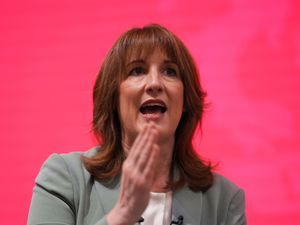
Rachel Reeves is courting Spanish investors in her first visit to the country as Chancellor as she prioritises closer ties with Europe.
The Treasury announced a £240 million investment from Spanish liquid storage company Exolum to coincide with the visit to Madrid on Wednesday, which will see Ms Reeves meet 120 Spanish businesses and investors.
She and her Spanish counterpart Carlos Cuerpo will meet and announce a work visa waiver for UK services professionals travelling to Spain for fewer than 90 days.
The Treasury believes this change could be worth around £250 million in additional exports to UK exporters over a five-year period.
It comes after a speech on Tuesday in which Ms Reeves set out plans to follow more of the European Union’s rules, claiming closer alignment would help bring down prices and inflation.
She put greater economic co-operation with Europe at the centre of her plan to kickstart the UK’s weak growth set out at the annual Mais Lecture at the Bayes Business School in London, saying “the prize is considerable”.
On Wednesday, she said: “In an uncertain world, we must build growth that is secure and resilient. We do this best through partnerships with those who share our interests, our values, and our ambitions.
“We count Spain amongst those partners – and the prize for doing more together is considerable.
“Our economic plan is the right one. By restoring stability, boosting investment and driving reform through an active and strategic state, we will build a stronger and more secure economy.”
EU relations minister Nick Thomas-Symonds said on the morning broadcast round that he wanted to make a deal with the European Union by the time of the next UK-EU annual summit to cut bureaucracy costing businesses money to trade with the bloc.
Wielding a bundle of documents to illustrate the “export health certificates” needed to send products into the EU, he told LBC he was holding “22 pages, 56 wet stamps” of documentation for a London-based pasta company.
“What I want to do is to finalise, by this year’s annual summit, the legal text … I want to take away fees. So what are the specific fees? £200 to one of these certificates, £61 identity check, £1,400 if you’re selected for sampling.
“I want to be starting to do that by the middle of next year. That is the work that I’m doing. That’s what I’m trying to do, to cut down barriers for business.”