Anti-Muslim hate definition will not restrict freedom of speech, vows Steve Reed
Critics have raised concerns that doing so could create backdoor blasphemy laws, and curtail speech about Islamic extremism.
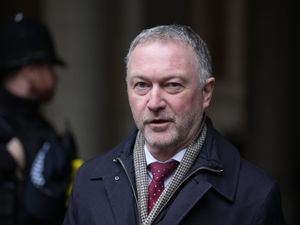
A new definition of anti-Muslim hate will not restrict freedom of speech, the Communities Secretary has pledged, as he also warned of the need for a “greater expectation” that people coming to the UK learn English.
The Government is set to publish its plan for social cohesion on Monday, ahead of which Prime Minister Sir Keir Starmer has cautioned against politicians he said are trying to “point fingers and divide”.
The strategy is expected to include measures aiming to promote integration, tackle religious hatred and clamp down on extremist influence in institutions such as charities and universities.
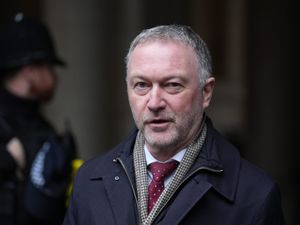
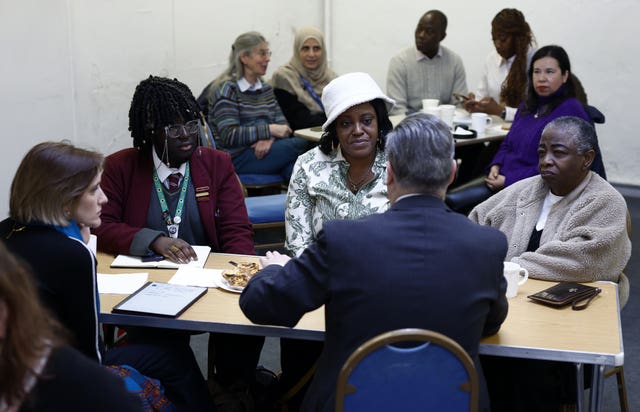
Communities Secretary Steve Reed, who will unveil the plan in the Commons, met faith representatives at a community centre in north London on Monday.
He confirmed the Government is looking at appointing an anti-Muslim hate tsar, similar to the antisemitism tsar already in place “so we can learn from what’s happened with the antisemitism strategy to target some of the extraordinarily high levels of abuse that are targeted at the Muslim community”.
Critics of efforts to create a new definition for Islamophobia have raised concerns that doing so could create backdoor blasphemy laws, and curtail speech about Islamic extremism.
But Mr Reed told the Press Association the new definition is “very robust, defines the problem of anti-Muslim hostility and therefore helps us to tackle it, but doesn’t infringe those things people were concerned about, such as freedom of speech”.
He added: “There will be no blasphemy laws by the back door, absolutely not. And the task force under the chairmanship of Dominic Grieve, the former Conservative government minister, have been very focused on making sure that the definition doesn’t operate in that way.
“Freedom of speech and the right to criticise religion in general, or any religion in particular, is an absolute and we would not put forward a definition that in any way restricted that.”
In setting up the working group last year for the new definition, the terms of reference noted that “too many British Muslims have faced discrimination and hatred due to their religion” and that anti-Muslim hatred “can also impact communities that are perceived to be Muslim”.
The latest Government figures, published in October, showed that religious hate crime recorded by police in England and Wales reached a record high in the year ending March 2025.
Not including the Metropolitan Police – due to changes in the crime recording system preventing direct year-on-year comparisons – hate crimes targeted at Muslims were up by almost a fifth, from 2,690 offences recorded in the 12 months to March last year to 3,199 offences in the year ending March 2025.
In that 12-month period there were 106 religious hate crimes per 10,000 population targeted at Jewish people, which was the highest rate for any religious group.
The next highest rate was for hate crimes targeted at Muslims, with 12 per 10,000 population.
On a separate visit in London on Monday, Sir Keir insisted the UK is a diverse country where people can live alongside each other in tolerance – something he said Britons should be proud of.
But the PM said one of his biggest concerns “is that there are people in politics who want to set up grievances between different groups of people, to point fingers and divide and say that we can’t be one country, we can’t be one community”.
Mr Reed had already described the plan as “investing to restore pride, empowering people to transform where they live and uniting people around love of their local area”.
He recalled his own experience as a student in Sheffield when he taught Vietnamese refugees, telling PA: “There needs to be a greater expectation that people will and should learn English, so we have communities operating together.”
He added: “It’s essential that everyone living together in a community speaks the same language. Otherwise they can’t communicate. And if people can’t communicate, you don’t have a community.”

A new confidential whistleblowing route for staff to raise concerns and a “campus cohesion charter” will be introduced in an effort to boost protection for university students and staff as part of the cohesion plan.
The steps aim to help universities meet their Prevent duty – the legal requirement for providers to take action to stop people being radicalised and drawn into terrorism.
Mr Reed said the whistleblowing route “is intended to ensure that they (universities) remain open spaces for free thinking and free debate”.
The Charity Commission will meanwhile get powers to shut down charities and swiftly remove trustees to tackle “extremist abuse” of the sector.
And an annual report on the state of extremism will be brought in to set out the nature and scale of the threat facing the UK.
The Government will also bolster the visa watchlist taskforce in a bid to block hate preachers and extremists from entering the country.
Sir Keir said the current Iran conflict is being used as a means of dividing different communities within the UK and that the new strategy is “not just a reaction to this conflict, it is much broader, which is how we bring the country together”.
Shadow communities secretary Sir James Cleverly said: “This is a Government that talks about extremism and division but is too weak to take the action actually required.
“After the Gorton and Denton by-election it’s clear Labour would rather pander to the extremes than confront the difficult causes of growing separatism in Britain.
“As Kemi Badenoch made clear last week, people who come to Britain should join our shared national culture, not live apart from it.”