Migrants arrive after crossing Channel for first time in two weeks
The crossing is the first since February 9 when 322 people made the journey.
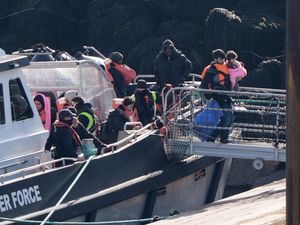
Migrants have arrived in the UK after crossing the English Channel for the first time in two weeks.
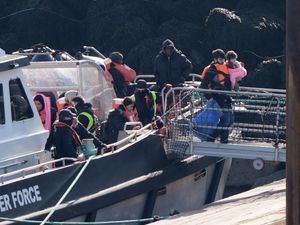
Pictures show people in lifejackets and coats disembarking a Border Force boat in Ramsgate, Kent, on Wednesday.
The crossing is the first since February 9 when 322 people made the journey.

So far this month, 597 migrants have crossed the Channel.
It comes after Zia Yusuf said the UK is being “invaded” by migrants as he pitched Reform’s mass deportation programme as the biggest in UK history.
Under a Reform government, the party would set up the unit to “track down, detain and deport” people in the country illegally, aiming for up to 288,000 people each year.
Earlier this month, an inquiry into the deadliest Channel crossing on record said small boat crossings “must end” to prevent further deaths.
The independent probe found “systemic failures, missed opportunities” and “chronic staff shortages” in the UK’s maritime response contributed directly to the failure to rescue people.

The tragedy occurred when a crowded inflatable boat capsized overnight on November 23 and 24 2021, leaving just two survivors who were discovered in French waters nearly 12 hours after the first calls for help.
The inquiry, led by Sir Ross Cranston and costing more than £7 million, has identified 27 men, women and children among the dead, while four people are still missing, and said “some of those deaths were avoidable”.
Sir Ross said the practice of small boat crossings “must end”, adding: “Apart from other reasons, it is imperative to prevent further loss of life.”