Families at centre of Nottingham attacks will have concerns examined – inquiry
Valdo Calocane killed three people and injured three others in attacks in Nottingham in 2023.
An inquiry scrutinising the events leading up to the Nottingham attacks in which three people were killed by a schizophrenic man will examine the concerns of bereaved families and survivors who have gone through “personal tragedy”, it has heard.
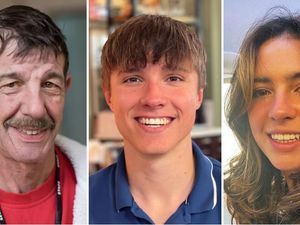
Valdo Calocane, who had been diagnosed with paranoid schizophrenia, killed University of Nottingham students Barnaby Webber and Grace O’Malley-Kumar, both 19, and caretaker Ian Coates, 65, and attempted to kill three more people in Nottingham in June 2023.
Prosecutors, police and medical professionals will be scrutinised by the two-year public inquiry, chaired by retired senior judge Deborah Taylor, which is expected to hear from more than 100 witnesses.

In her opening statement on Monday, counsel to the inquiry, Rachel Langdale KC, outlined concerns about Calocane’s case, who is referred to as VC in the inquiry, which will be examined.
She said: “Whilst we refer to the Nottingham attacks collectively, each attack was on an individual, and each attack is a personal tragedy for the victims, their families, and those close to them.”
Ms Langdale continued: “The inquiry can and will examine the underlying factual material in the case of VC, relating to the psychiatric evidence obtained for the sentencing hearing and whether or not all factual information now known was known at the time.
“The inquiry is able to examine other concerns of the bereaved families and survivors, including the adequacy of the response of the police when VC was in custody following the attacks, and the Crown Prosecution Service’s handling of the case.
“What was the procedure employed and basis of decisions taken as to VC’s fitness to be interviewed and detention? What strategy and procedures were followed for toxicology?
“Were attempts made to take samples, and should further investigations have been carried out, how did the police handle communications with other agencies, the media, and the bereaved families and survivors of the attacks?”
Covid restrictions were relevant when Calocane had several medical appointments, and the inquiry will also explore whether and how they impacted, Ms Langdale said.

Calocane was sentenced to an indefinite hospital order in January 2024 after admitting manslaughter by diminished responsibility and attempted murder – something which has been widely criticised by the victims’ families.
Ms Langdale told the inquiry that “key themes” emerge from reports that have already been undertaken in relation to Calocane and his mental health care, including a Care Quality Commission (CQC) report, which found that the Nottinghamshire Healthcare NHS Foundation Trust (NHFT) made errors, such as discharging him to his GP in 2022.
She said: “We suggest some key themes emerge from these investigations and reports, and whether described currently as learning points, failings or criticisms, they provide a baseline critique upon which we will build.
“The approach to risk assessment, the dynamic nature of risk, and the need to have a clear and accurate history are all key themes.
“When should the risk VC presented in the community have been recognised and what should have been done about it? Was there any attempt to reduce the risk? Was there any attempt at assertive outreach? If not, why not?
“Whilst depot medication, a long-lasting injection of medication, was considered in relation to VC’s non-concordance, it was never instituted. VC’s antipathy towards it was given priority over its benefits in risk management.
“This, and the failure to consider depot medication as a condition of a community treatment order on discharge from VC’s third admission, will be examined in detail.”

The CQC report said Calocane’s records make it “clear” that he was “acutely unwell” throughout the two years he was under the care of NHFT.
He was psychotic and suffering from paranoid delusions before eventually being diagnosed with paranoid schizophrenia in July 2020.
The regulator had said that while some risks were highlighted, other assessments “minimised or omitted key details”.
These include the fact that Calocane refused to take his medication, had ongoing and persistent symptoms of psychosis, was violent to others when psychosis was not managed well, and escalated his violent behaviour in the later stages of his care.
Ms Langdale said the inquiry, which includes more than 60 statements from police and 169 statements from the mental health trust which cared for Calocane, will take a “holistic approach” to examining the case.
The chairwoman of the inquiry will be required to produce a report and provide recommendations by May 2027, “so that lessons can be learned to prevent similar attacks in the future”, Ms Langdale said.